
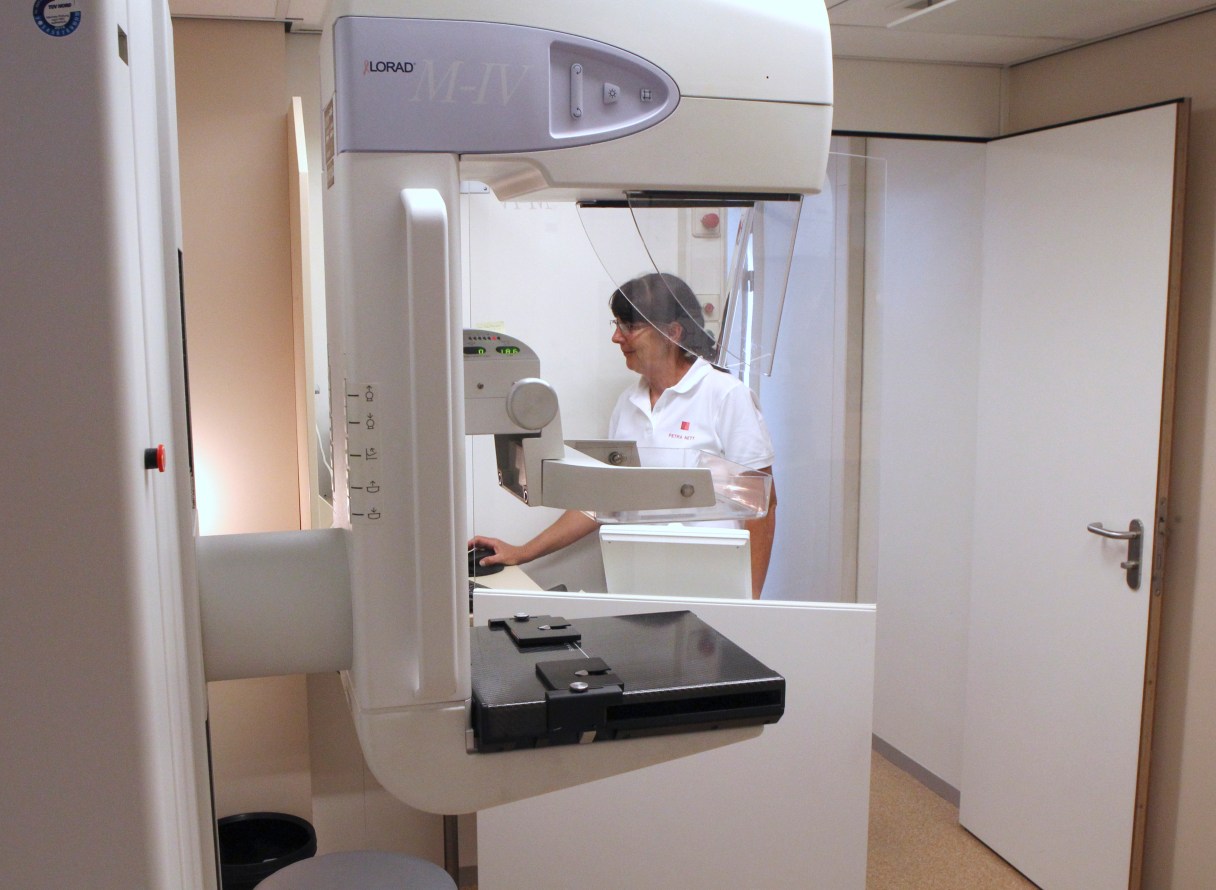
More than 8 million American women between 45 and 64 are overdue for breast-cancer screening. That’s a staggering number for a disease expected to kill more than 40,000 women this year.
The consequences of finding breast cancer late can be devastating. Five years after diagnosis, women whose cancer remains confined to the breast have a relative survival rate approaching 100%. Once the disease has spread to distant parts of the body, that figure falls to 33.8%.
Early detection can save lives. Policymakers should be tearing down barriers to timely, clinically appropriate screening. Instead, government rules and insurance red tape can put needless obstacles in patients’ way.
We can do better by streamlining insurance approvals, giving health plans more freedom to cover screening before patients meet their deductibles and eliminating government restrictions that make it harder for providers to enter the market.
The financial stakes are substantial. A recent study led by researchers at the National Cancer Institute and American Cancer Society found that cancer-attributable medical costs among Medicare beneficiaries averaged roughly $45,000 in the first year after diagnosis and nearly $122,000 in the final year of life among patients who died from cancer.