

It makes sense that terror suspects should be prevented from buying guns, right?
Well, of course, right.
Unfortunately, reality and the fine print rub the shine off the suggestion of such possible legislation.
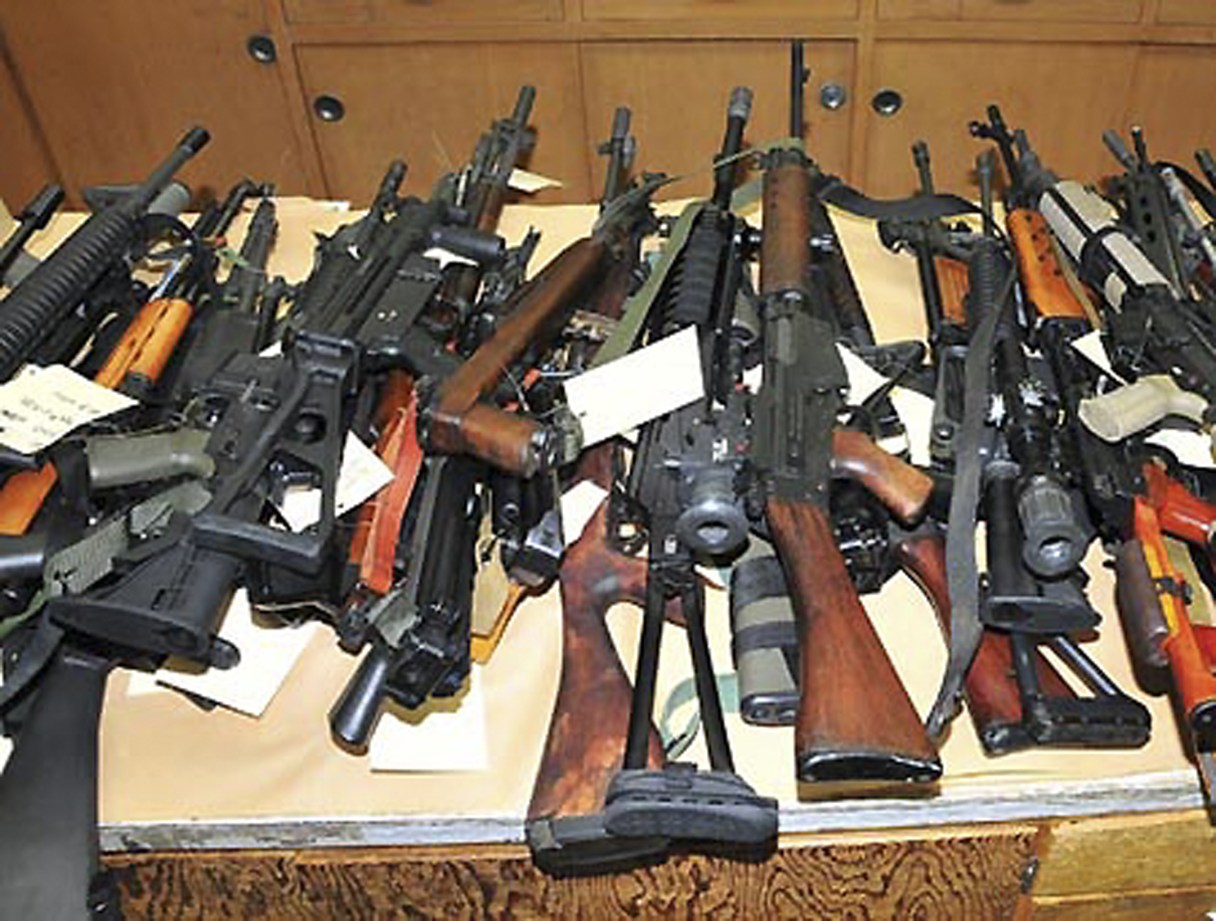
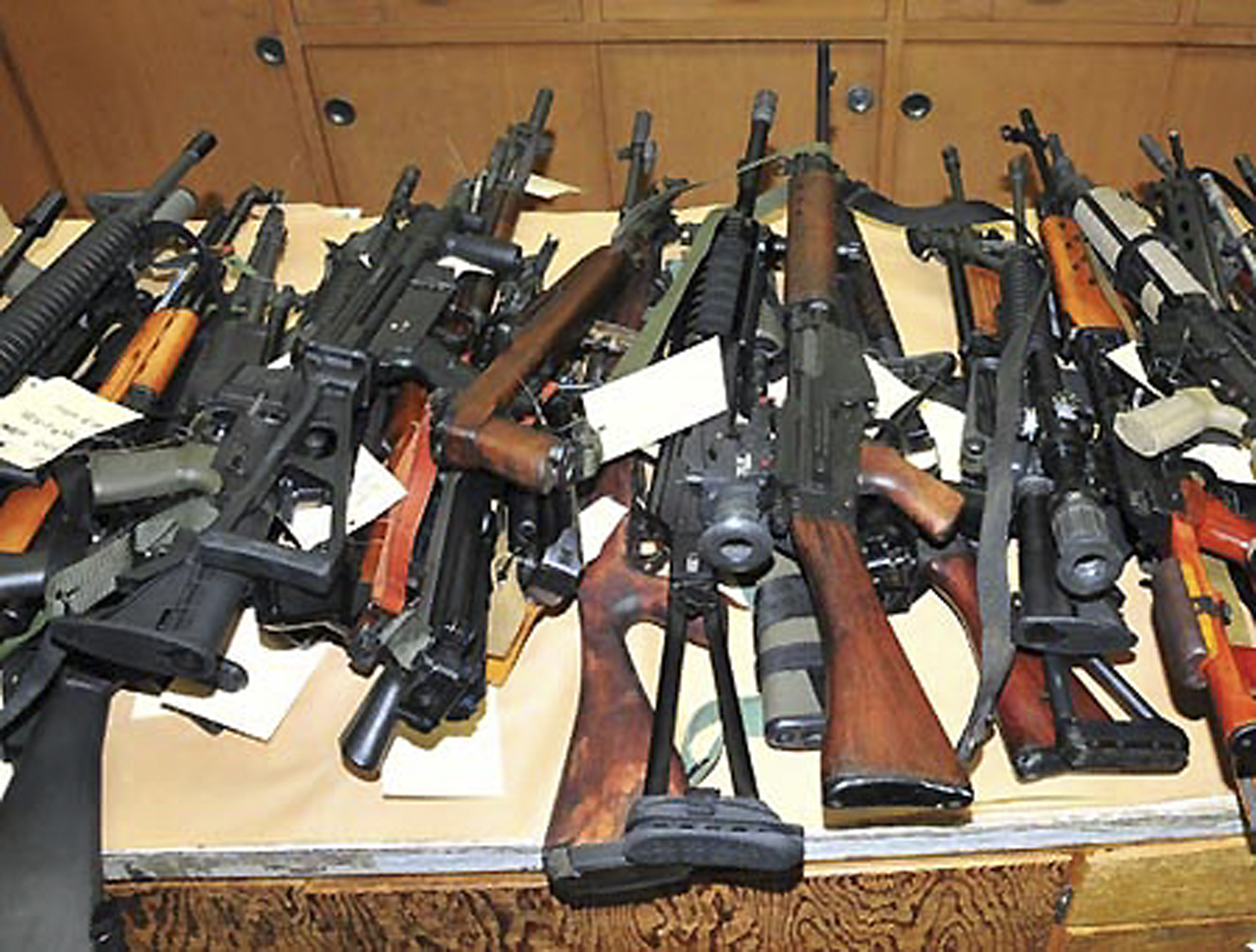 A stash of assault rifles seized in a raid in Fresno County, Calif., is pictured.
A bill introduced in February by Sen. Dianne Feinstein, D-Calif., would prevent the sale of firearms by federally licensed gun dealers to a list of known and suspected terrorists. It has gained exposure over the last week in the fallout of the terrorist attacks in Paris and the possibility of such attacks in the United States.
The problem at the outset is that the proposed legislation doesn’t prevent sales that don’t involve licensed dealers. That would include transactions at gun sales or many online sales, where background checks are not done.
By now, most Americans understand that those individuals – foreign and domestic – who want guns for nefarious purposes are going to get them. And they’re not usually taking the federally licensed gun dealer route.
After all, according to the Government Accountability Office, between 2004 and 2014, people on one terrorist watch list underwent background checks to purchase guns only 2,233 times, fewer than 225 a year. In comparison, in the first 11 months of 2012 alone, there were 16,808,538 applications to purchase guns.
So, such a bill might slow down a few terror suspects who dare to take the federally licensed dealer route, but it’s not going to keep them from getting the guns they want.
A second problem is that some people are on suspected terrorist lists by mistake, some by infractions that don’t rise to the level of terror and some for unsubstantiated reasons. And, in presidential administrations like the current one, persons could be placed on the list for political reasons.
In 2009, for instance, the Department of Homeland Security in conjunction with the FBI said a “suspected terrorist” could include “right-wing extremists” prone to confrontations with “government authorities” such as “disgruntled military veterans,” those who oppose “illegal immigration,” and those who oppose abortion and same-sex marriage.
Further, previous incarnations of Feinstein’s bill introduced since the 9/11 terrorist attacks, but never passed, would subject the suspected terrorist, even if suspected by mistake, to a denial of some civil liberties.
A law that prevents “known” terrorists from purchasing guns from federally licensed dealers, despite the fact they can and will purchase guns elsewhere, makes sense and should be passed if only for slightly more than symbolic reasons. But too many questions currently surround a banning of guns sales to “suspected” terrorists to make that a blanket law today.