
I was 16, sunburned and dozing off in the backseat after hiking all day at the Grand Canyon. Suddenly, the car stopped.
My aunt pulled over on the shoulder of a two-lane highway and told me to get out and look up. Confused and half-asleep, I stumbled out and did as she said. It was incredible. Growing up in the Southeast, I’d never seen so many stars.
These days, from my Chattanooga backyard, I can pick out a few constellations, a planet or two, and maybe the Pleiades with the naked eye, but it’s nothing compared to that night in Arizona — or even a night in Chattanooga 200 years ago.
Light pollution is a relatively new phenomenon. For nearly all of human history, people (and plants and animals) lived under a pristine dark sky. And while today’s glow is a definite downer for stargazers, it also causes problems for wildlife.
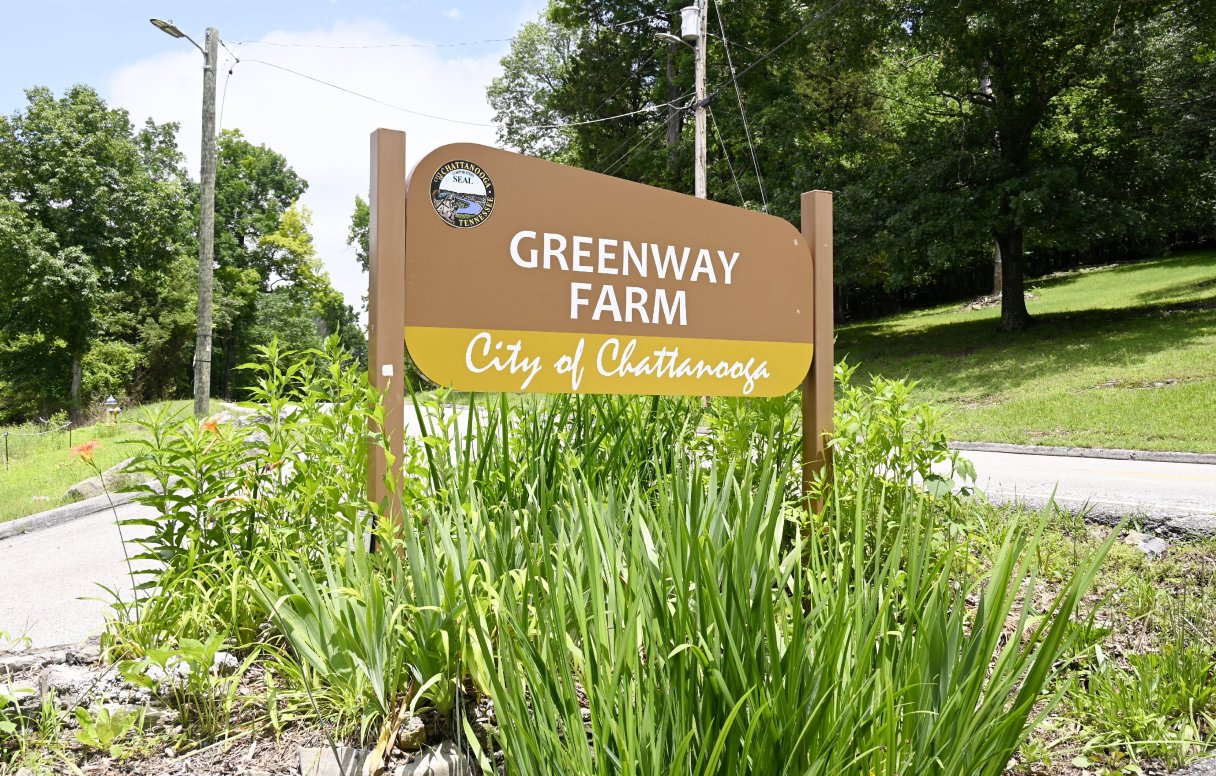
This Friday, Chattanoogans have a rare chance to see their city’s sky with far less light — and learn about the importance of a dark sky.