
Tuesday, November 10, 2026Nov 10

German ministers reject Trump remarks on car tariffs

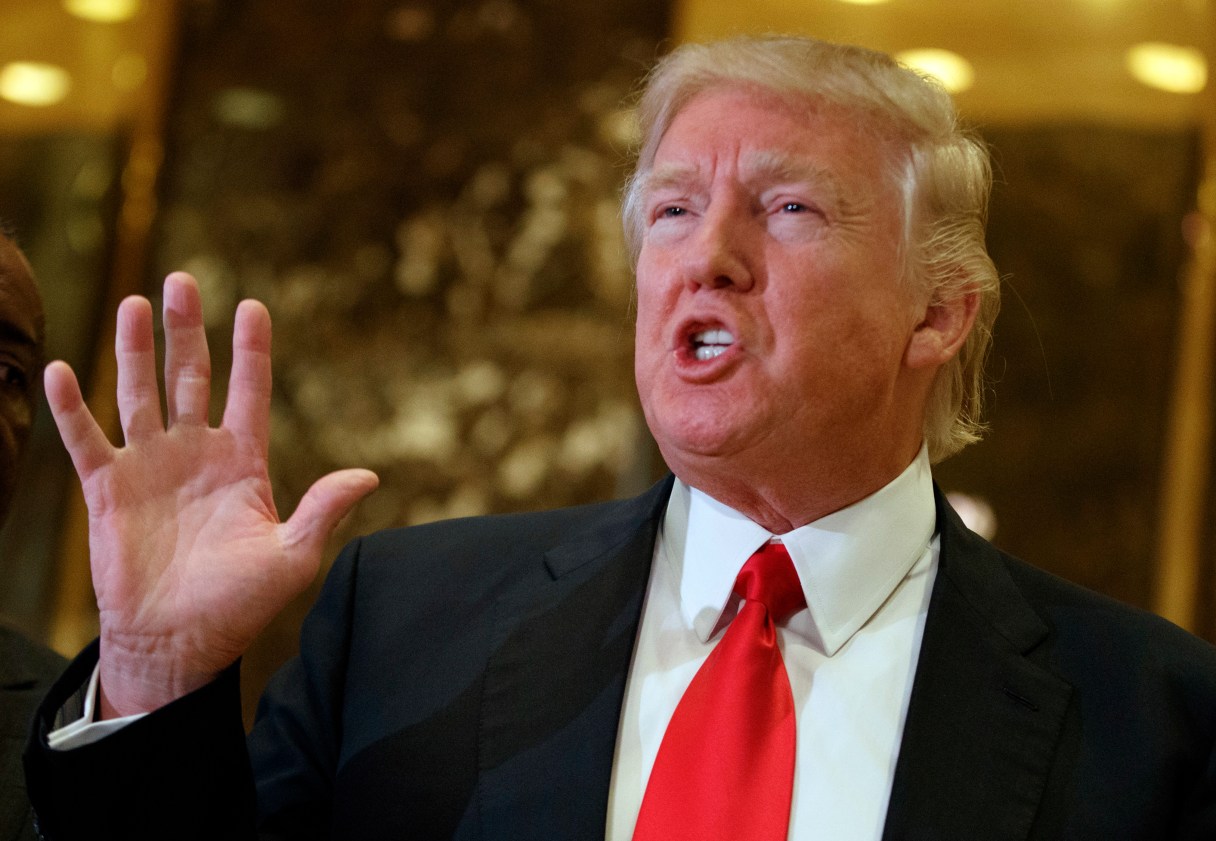
FILE - In this Jan. 13, 2017 file photo, President-elect Donald Trump speaks with reporters in the lobby of Trump Tower in New York. Trump has offered views on U.S. relations with Asia that could indicate radical shifts in long-standing policy toward the region. From opposing free trade agreements to confronting China and questioning Japan-South Korea alliances, he appears set to be charting a course far different from previous administrations. (AP Photo/Evan Vucci, File)
FILE - In this Jan. 13, 2017 file photo, President-elect Donald Trump speaks with reporters in the lobby of Trump Tower in New York. Trump has offered views on U.S. relations with Asia that could indicate radical shifts in long-standing policy toward the region. From opposing free trade agreements to confronting China and questioning Japan-South Korea alliances, he appears set to be charting a course far different from previous administrations. (AP Photo/Evan Vucci, File) FILE - In this Jan. 13, 2017 file photo, President-elect Donald Trump speaks with reporters in the lobby of Trump Tower in New York. Trump has offered views on U.S. relations with Asia that could indicate radical shifts in long-standing policy toward the region. From opposing free trade agreements to confronting China and questioning Japan-South Korea alliances, he appears set to be charting a course far different from previous administrations. (AP Photo/Evan Vucci, File)

BERLIN (AP) – Senior German officials reacted with surprise and alienation Monday to comments made by President-elect Donald Trump, who said in an interview that NATO was “obsolete” and threatened Germany’s automakers with hefty import taxes.

Trump said in an interview with German daily Bild and The Times of London that German car manufacturers could face tariffs of up to 35 percent if they set up plants in Mexico instead of the U.S. and try to export cars to the U.S. from there.

Such tariffs would make “the American auto industry worse, weaker and more expensive,” Sigmar Gabriel, Germany’s economy minister, told Bild.

Gabriel, who is also vice chancellor, suggested more self-confidence in dealing with Trump. He said: “We’re not weak and inferior.”

Trump, who in his interview Sunday singled out BMW, said the German carmaker could face tariffs if it goes ahead with plans to open a plant in Mexico and sell cars to the U.S.