
Wednesday, November 11, 2026Nov 11

U.S. health care spending to accelerate, report says

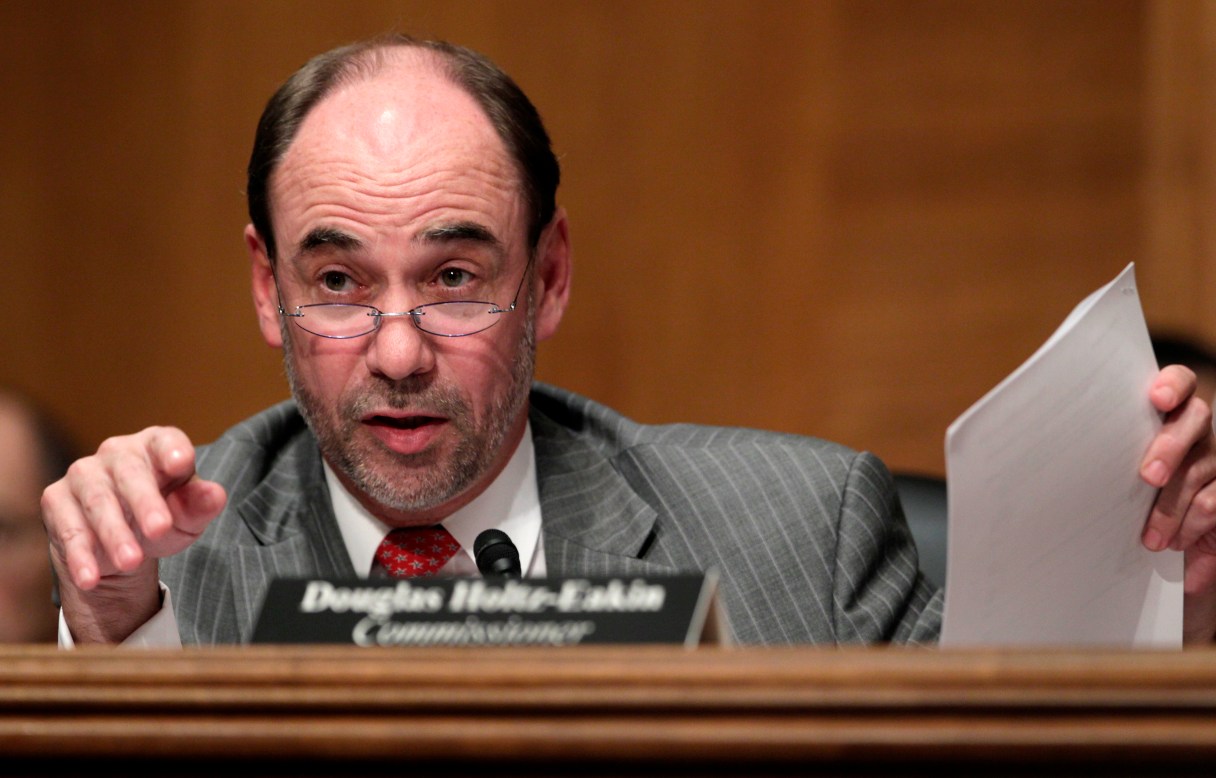
In this photo taken Sept. 1, 2010, Douglas Holtz-Eakin speaks on Capitol Hill Washington. Health care costs appear to be accelerating again, the government says. That poses a challenge for millions of Americans and the next president as health spending looks set to outpace U.S. economic growth the next 10 years. (AP Photo/Carolyn Kaster)
In this photo taken Sept. 1, 2010, Douglas Holtz-Eakin speaks on Capitol Hill Washington. Health care costs appear to be accelerating again, the government says. That poses a challenge for millions of Americans and the next president as health spending looks set to outpace U.S. economic growth the next 10 years. (AP Photo/Carolyn Kaster) In this photo taken Sept. 1, 2010, Douglas Holtz-Eakin speaks on Capitol Hill Washington. Health care costs appear to be accelerating again, the government says. That poses a challenge for millions of Americans and the next president as health spending looks set to outpace U.S. economic growth the next 10 years. (AP Photo/Carolyn Kaster)

WASHINGTON (AP) – The nation’s respite from accelerating health care costs appears to be over.

Spending on health care will outpace the nation’s overall economic growth over the next decade, the government forecast on Tuesday, underscoring a coming challenge for the next president, not to mention taxpayers, businesses and individual Americans.

A combination of expanded insurance coverage under President Barack Obama’s law, an aging population, and rising demand, will be squeezing society’s ability to pay.

By 2019, midway through the next president’s term, health care spending will be increasing at roughly 6 percent a year, compared to an average annual rise of 4 percent from 2008 through 2013.

The higher rate of increase is still “relatively modest,” says the report from the Office of the Actuary in the Health and Human Services Department. The forecast, through 2024, does not foresee a return to pre-recession days of torrid health care inflation, as the government and private employers try to revamp the way they pay hospitals and doctors to emphasize quality over quantity.