
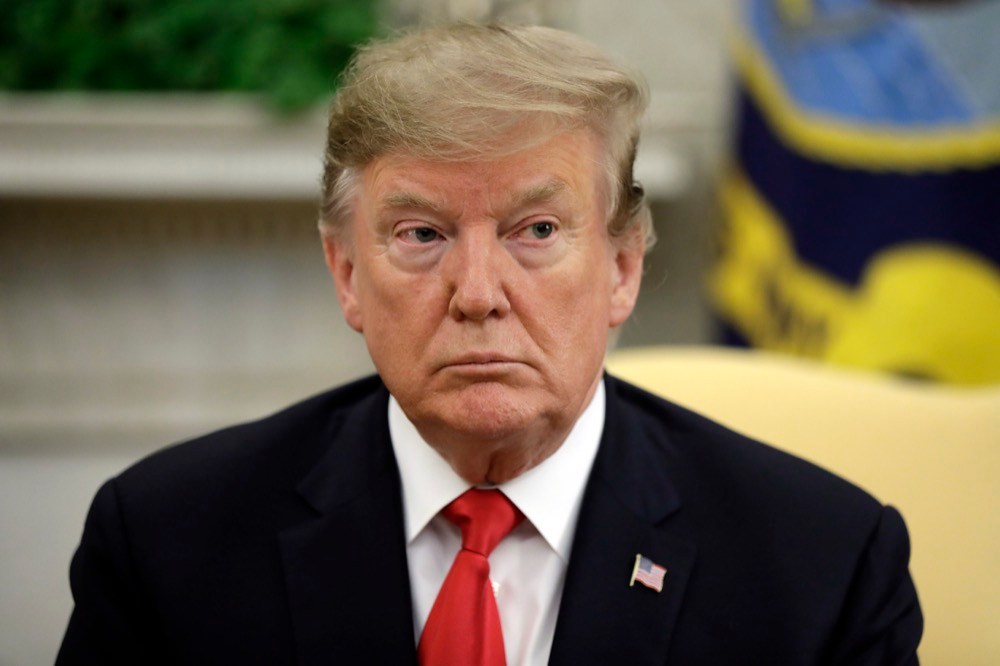
NEW YORK (AP) – News industry leaders are fighting back against the charge by President Donald Trump and his supporters that the administration’s summation of special counsel Robert Mueller’s report proved that journalists were “so wrong for so long” in their coverage of the Russia investigation.
The latest to weigh in was Steve Coll, dean of Columbia University’s Graduate School of Journalism, who wrote in a New Yorker magazine essay this week that it’s wrong to conclude journalism failed because Mueller did not charge Trump with conspiring with Russians to influence the 2016 election. The New York Times and The Washington Post shared a Pulitzer Prize, awarded by Columbia in 2018, for their reporting on the issue, a prize Trump says should be taken away.
Complicating the issue is the broad definition of the news media circa 2019, encompassing everything from painstakingly sourced investigative stories to overheated tweets to opinionated pundits.
“It’s premature to pronounce this coverage as some kind of epic press failure,” said Nancy Gibbs, former Time magazine editor and a Harvard University professor of press, politics and public policy. People angered by the press’ role in investigating the president will use Mueller’s findings as a lever in any way they can, she said.
“That doesn’t mean that they’re right,” Gibbs said.