
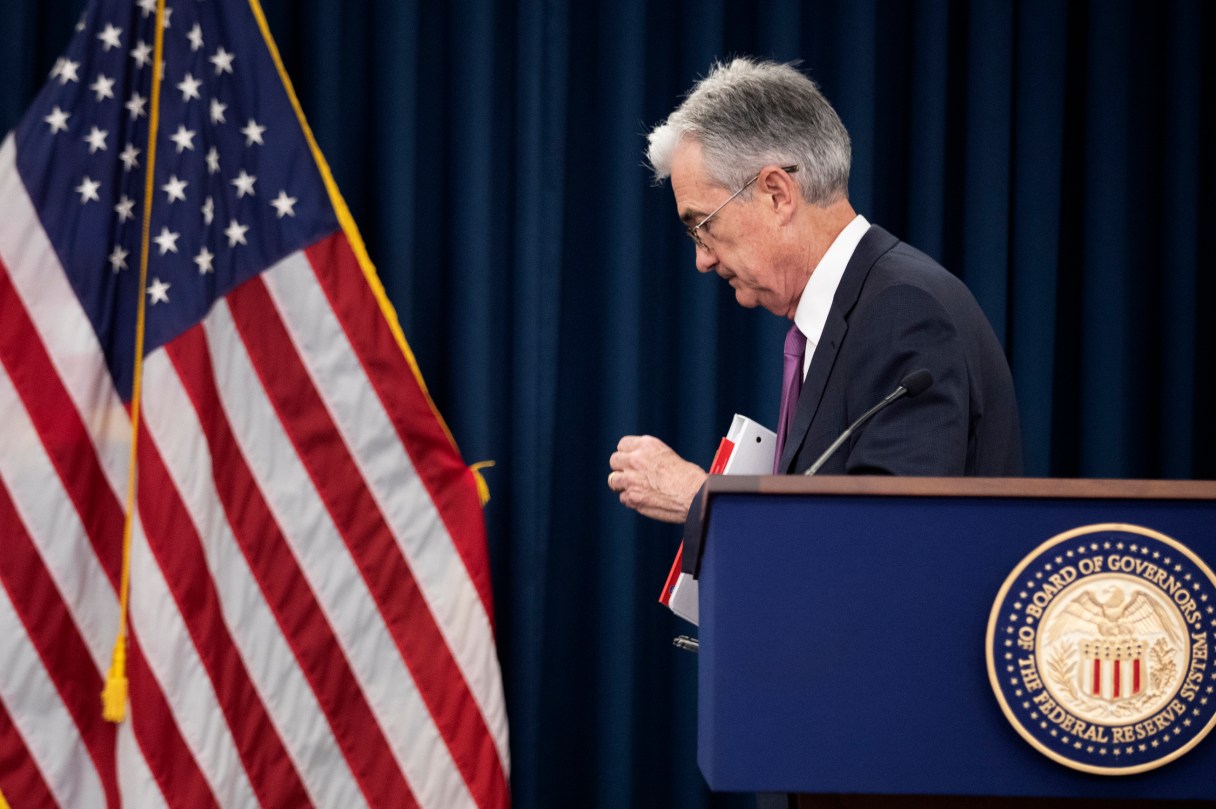
President Donald Trump has loudly and increasingly complained that the Federal Reserve is hurting the economy on his watch by keeping interest rates too high. “No help from Fed!” he said on Twitter last week, in what has become a typical broadside against the central bank.
But Fed officials have supported economic growth to an unusual degree during Trump’s term, even though they have raised interest rates since in that time. So, too, has Congress.
A New York Times analysis shows that the Fed has been more patient and growth-friendly with interest rates, relative to how well the economy is doing, under Trump than it had been under any president since Jimmy Carter. And only one president in the past 25 years got a bigger overall lift from tax cuts and federal spending increases than Trump has since he signed the 2017 tax overhaul. That was George W. Bush, whose two terms included several rounds of tax cuts and deficit-financed wars in Iraq and Afghanistan.
The stimulus measures have helped Trump wage a trade war with China, buffering the economy against damage from tariffs imposed by both countries. But as the dispute escalates, that insulation may not be enough.
Trump has moved to add a new round of tariffs on Chinese products and to declare China a currency manipulator, while Beijing has canceled what officials had said would be new purchases of American agricultural goods. Economists warn that the moves will hurt growth in both countries, and that the Fed, in particular, has only so much help to give.