

Whether you were actually in Dallas, Baton Rouge or Falcon Ridge when the shootings took place, if you have been constantly watching the media, you may be experiencing the very real phenomenon of vicarious traumatization.
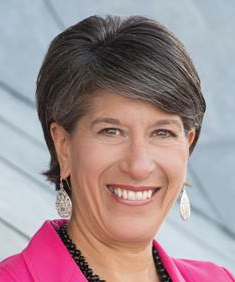
“What people often don’t realize is you don’t have to be present at a traumatic event to be traumatized,” says licensed clinical social worker Pam Johnson. “Just hearing something can create a traumatic event in your mind. Add the visual of repeatedly watching the news segments and you can create some real anxiety. The deeper mind does not differentiate what is happening in real time and what happened in Texas to someone else.”
Think about the last time you watched a scary movie and you realized your heart rate increased and you became jumpy and tense. Your body reacts physically because your mind does not know you are not actually part of the scene you are watching.
“People have to be careful how much they expose themselves to because it can become toxic,” Johnson says. “The human mind cannot be in a creative, problem-solving mode and a fight-or-flight mode at the same time. It is like trying to put a car in drive and reverse at the same time.
“If we want a productive response to what has happened, individuals have to calm themselves down and get their emotions under control. Then we can have effective dialogue and begin asking questions such as, ‘How have we gotten here? What can we do to get ourselves out of this place?'”