
Friday, November 13, 2026Nov 13

Report: Higher premiums if Trump halts ‘Obamacare’ subsidies

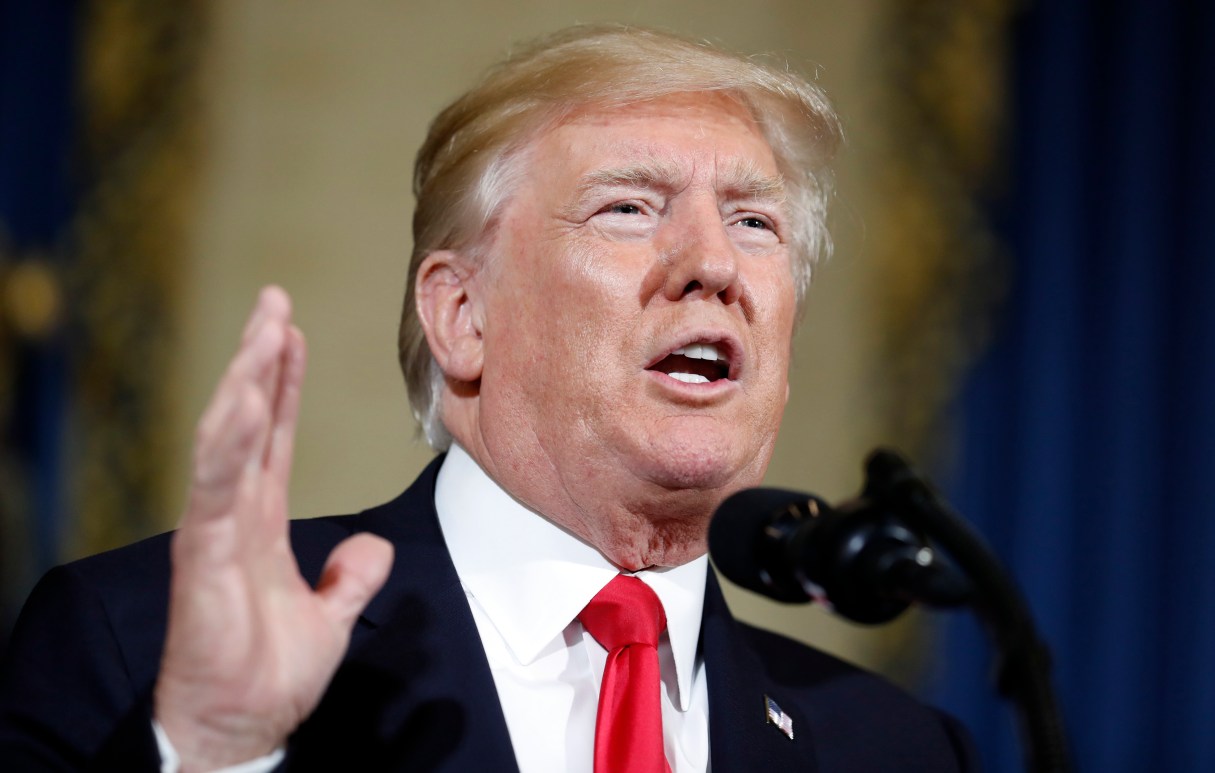
FILE - In this July 24, 2017 file photo, President Donald Trump speaks about healthcare in the Blue Room of the White House in Washington. People buying individual health care policies would face sharply higher premiums, and some may be left with no insurance options if President Donald Trump makes good on his threat to stop "Obamacare" payments to insurers, congressional experts said Tuesday, Aug. 15, 2017.  (AP Photo/Alex Brandon, File)
FILE - In this July 24, 2017 file photo, President Donald Trump speaks about healthcare in the Blue Room of the White House in Washington. People buying individual health care policies would face sharply higher premiums, and some may be left with no insurance options if President Donald Trump makes good on his threat to stop "Obamacare" payments to insurers, congressional experts said Tuesday, Aug. 15, 2017. (AP Photo/Alex Brandon, File) FILE - In this July 24, 2017 file photo, President Donald Trump speaks about healthcare in the Blue Room of the White House in Washington. People buying individual health care policies would face sharply higher premiums, and some may be left with no insurance options if President Donald Trump makes good on his threat to stop "Obamacare" payments to insurers, congressional experts said Tuesday, Aug. 15, 2017. (AP Photo/Alex Brandon, File)

WASHINGTON (AP) – People buying individual health care policies would face sharply higher premiums, and some may be left with no insurance options if President Donald Trump makes good on his threat to stop “Obamacare” payments to insurers, congressional experts said Tuesday.

The nonpartisan Congressional Budget Office also estimated that cutting off the payments would add $194 billion to federal deficits over a decade. That’s because other Affordable Care Act subsidies would automatically increase as premiums rise, more than wiping out any savings.

Sticker-price premiums for standard plans would rise about 20 percent before factoring in federal tax credits for consumers, CBO said.

About 1 million people would become uninsured right away, but within a few years that slippage would reverse and more people would be covered, the budget office added.

At issue are so-called “cost-sharing” payments, totaling about $7 billion this year, that reimburse insurers for subsidizing out-of-pocket costs for people with modest incomes.