
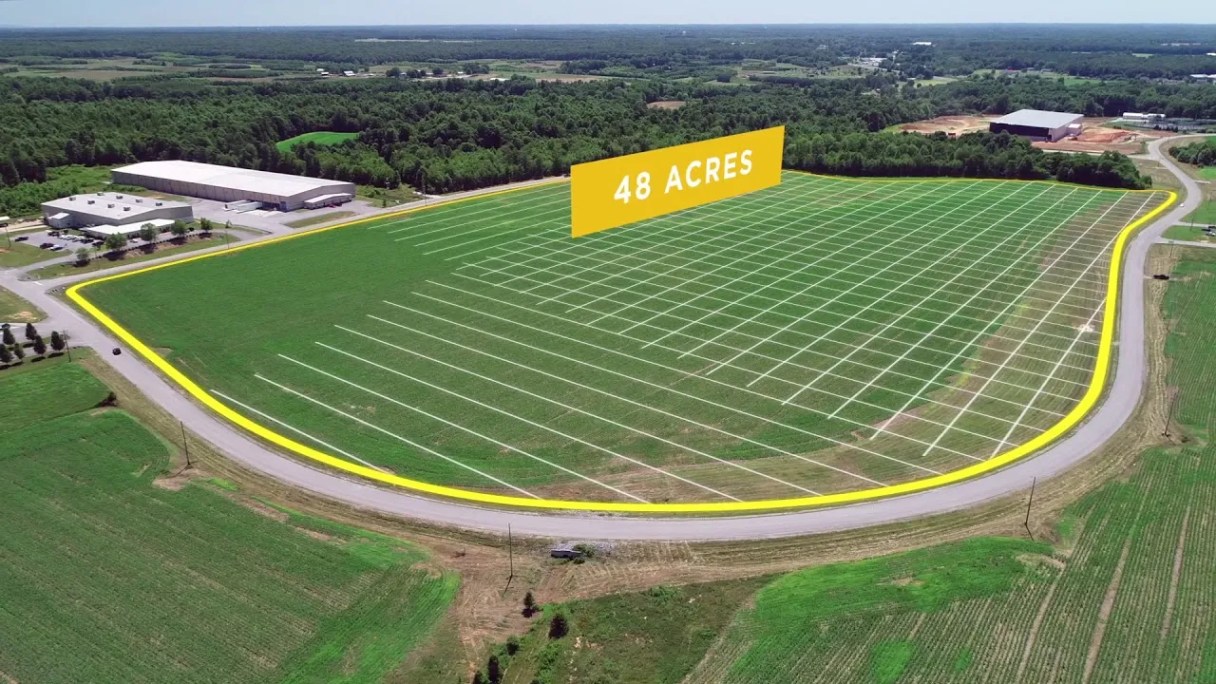
Tennessee is making a formal case to host the nation’s first Space Academy and the first federal service academy in the South at a site near Tullahoma. If awarded to the state, the academy could have a substantial impact on Chattanooga’s future. The last U.S. service academy built was the Air Force Academy, established in 1954 near Colorado Springs.
President Donald Trump directed the creation of a U.S. Space Academy earlier this year. The NASA-led institution would combine technical education, leadership training, discipline and a service commitment. Graduates would be prepared for roles in the military, including the Space Force, civilian federal positions at NASA and elsewhere, and the broader space industry.
A federal service academy is a tuition-free undergraduate institution that trains students for careers in the military or related federal service. Existing examples include the U.S. Military Academy at West Point, the Naval Academy and the Air Force Academy. Graduates receive a college degree and a service obligation. A Space Academy would apply that model to space, preparing officers and specialists for the Space Force, NASA and the commercial space sector. The academy matters because space is becoming a major economic and national security domain. Lower launch costs are opening commercial activity in orbit and beyond, creating demand for trained engineers, technicians and leaders. Hosting the academy would also bring federal investment, a steady talent pipeline and related industry to the surrounding region, as other service academies have done for the communities near them.
(READ MORE: Tennessee wants to host new U.S. Space Academy in Coffee County)
The order established a Presidential Commission on the United States Space Academy, chaired by NASA Administrator Jared Isaacman. The commission is expected to deliver recommendations on governance, curriculum, service requirements, applicant standards, needed legislation and a site-selection process by late December. NASA is overseeing the evaluation through a request for information from states, with responses due Nov. 16. Planning assumptions call for a permanent campus of at least 300 acres, an initial class of about 300 students in a temporary location in 2028, a full campus for roughly 1,200 undergraduates by 2031 and groundbreaking no later than 2027.