
In the end it was only a blue ripple, and that should prompt soul-searching among Democrats – particularly as everyone looks ahead to 2020.
Don’t listen to Democrats who portray these midterms as an important triumph. In 2016 and again this year, liberals were unrealistic in their expectations and listened too much to one another and not enough to the country as a whole; if that happens again in the run-up to 2020, heaven help us all.
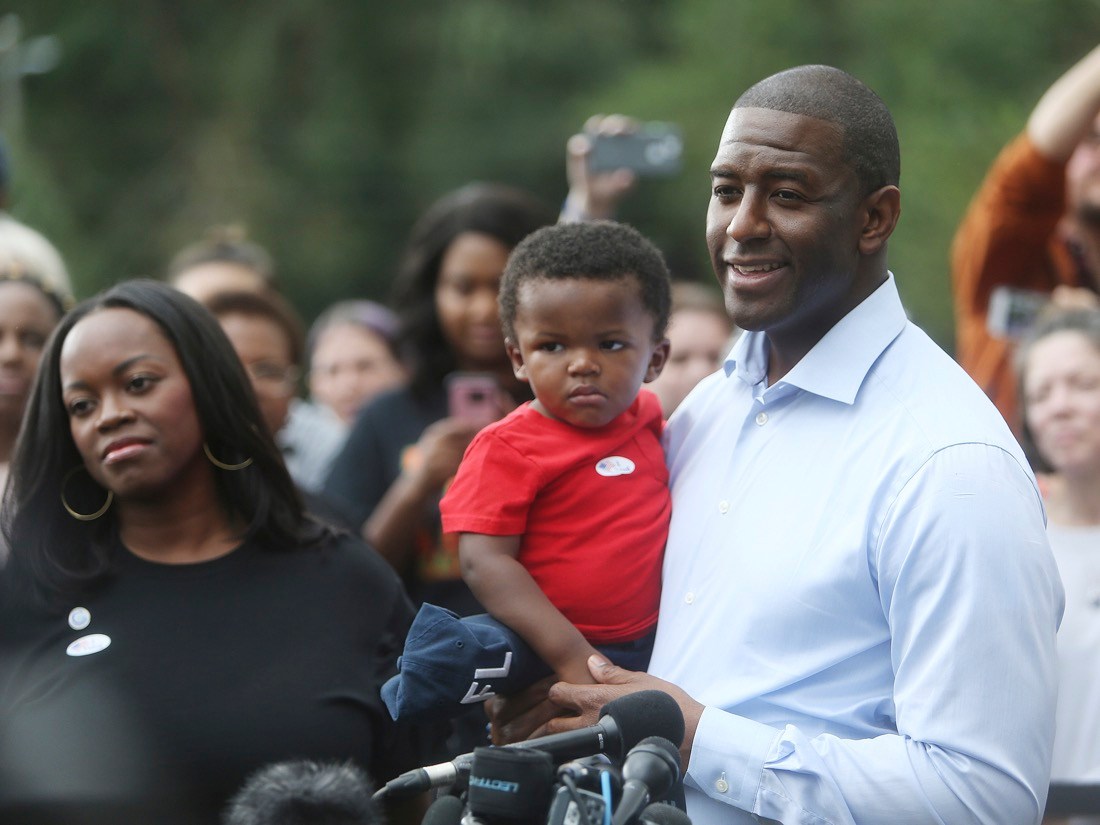
It’s great that for the first time, more than 100 women are expected to serve in the House. But of the three highest-profile Democratic candidates who were repositories of the party’s hopes – Beto O’Rourke, Stacey Abrams and Andrew Gillum – not a single one won. Yes, the margins were narrow. But while it’s fine to make excuses, it’s better to win elections.
It’s too easy for Democrats to boast about winning the popular vote in House races overall or winning a few governorships. To actually govern, and to get their way with judicial appointments, Democrats must also win the Senate. That is possible but will require more than bravado.
So what lessons can be learned? As Jonathan Martin and Alexander Burns noted in The New York Times, “The candidates who delivered the House majority largely hailed from the political center, running on clean-government themes and promises of incremental improvement to the health care system rather than transformational social change.”