
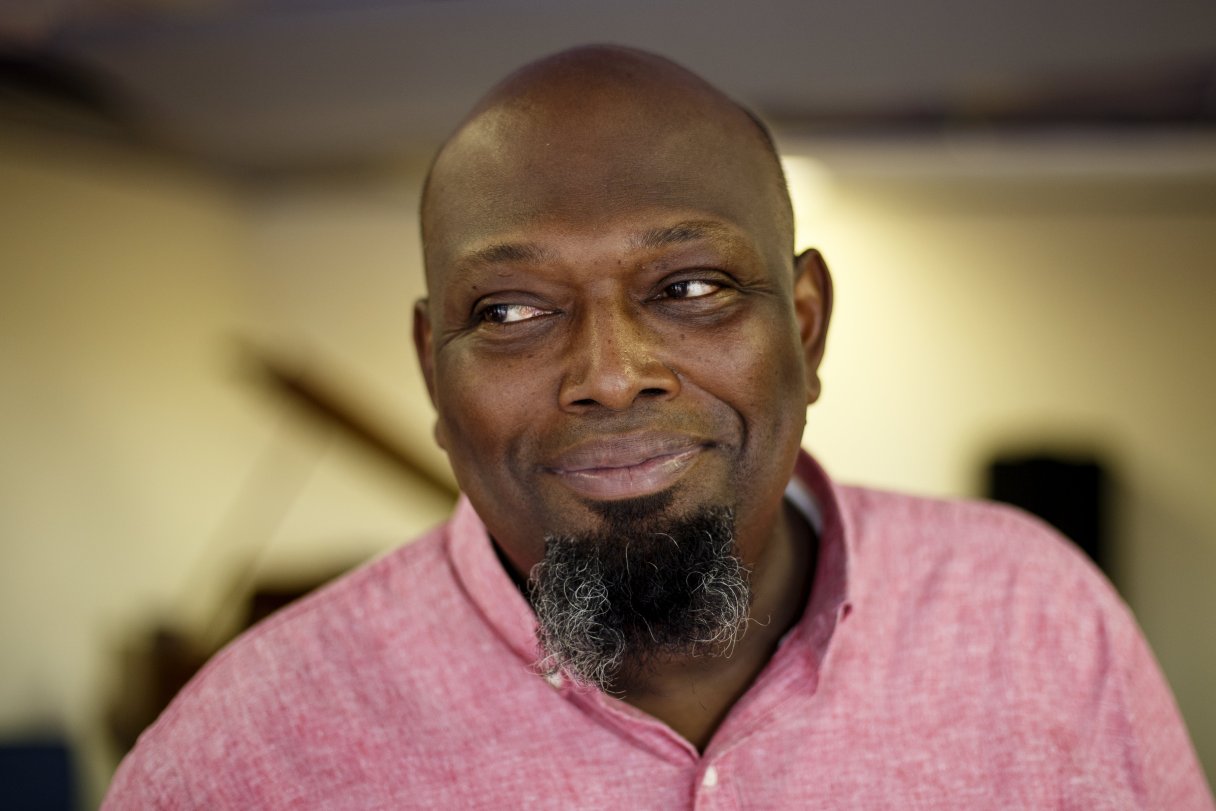
NAME: Shane Morrow
AGE: 49
HOMETOWN: Bridgeport, Conn.
OCCUPATION: Jazzanooga executive director
Jazzanooga founder and Executive Director Shane Morrow says he has had one goal since conceiving the concept a little over four years ago, and that is “that Jazzanooga will be what the community wants it to be.” It was created as a one-day music festival designed to showcase the city’s history and contributions to jazz music. Now, it’s a year-round organization that produces concerts, workshops, classes, a Youth Music Academy and a radio program. It also works to preserve some of the city’s African-American history and culture, especially as it relates to the arts.
Morrow’s mission is to take the arts where they are needed, but he has become aware over the years that when people hear “Jazzanooga,” they immediately think music, and in particular jazz, so it will now be called The RISE Collective, which stands for Responsive Initiatives for Social Empowerment.
“I just keep thinking that despite all of the barriers in this city, we continue to rise,” he says.
As part of that new mission, RISE will be working with the city to create an “arts and culture incubator” located on the second floor of the John A. Patten Youth and Family Development Center in Lookout Valley. Eight emerging artists will be provided free space and given seed money to create new art projects that they will then take to other city-run centers throughout the year.
“We will give them free training and we will provide a consultant who will meet with them throughout the year to help them implement their business plan,” Morrow explains.
He sat down recently to talk about the future, past challenges, and the need for more opportunities for minorities and the underserved in the local arts and cultural community.
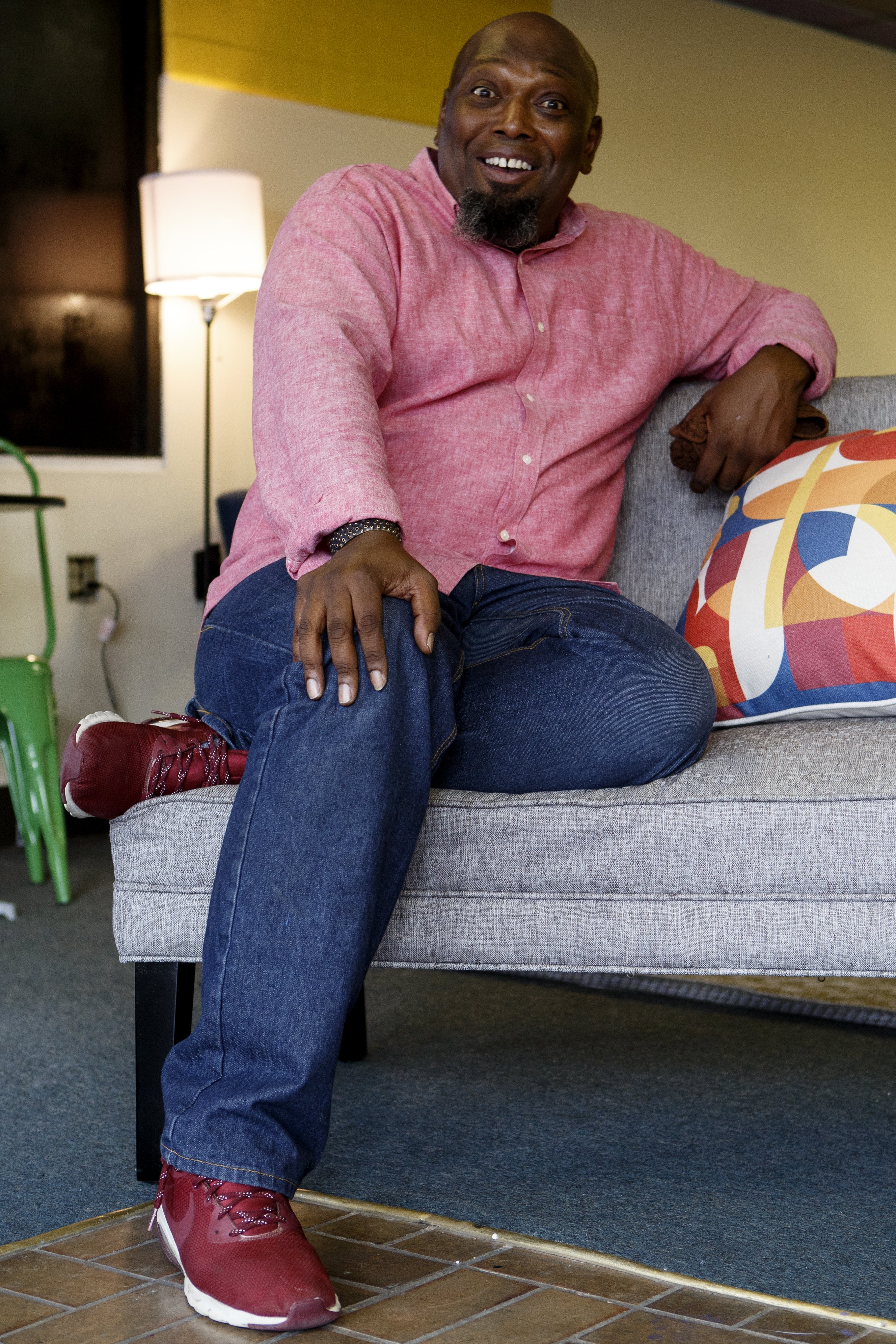 Shane Morrow sits for a portrait at Jazzanooga on Tuesday, Dec. 4, 2018 in Chattanooga, Tenn.
» I always think we underestimate what we do through the power of the arts. It is such a gateway for opening up opportunities to celebrate with each other, but also to celebrate our differences.
» When we started [Jazzanooga] we did a thing with the Hunter [Museum of American Art] for Black History Month, and it was amazing to me that here we had this link to the arts and some of the community had never even walked up to the Bluff View District.
» I had one grandmother who went because it was free. She told me after that she had never walked into the building. She said, “I didn’t know we could come in here.” That still motivates me to this day.
» I can only take it from the perspective of being a transplant to Chattanooga, but there is an undertone of the “Chattanooga Way.” There was a structure here with this in-the-box thinking that says, “This is the way that we always do things. If you are looking for funding to expose more people to what you do or to do arts and culture in general, this is the template that you have to use.”
» I don’t speak heavily of our discovery of how to do things because people will think “Oh, he is being boastful,” but I started with my own money because I realized that to be able to say that I’ve made measurable outcomes, I would have to do this on my own. It gives me my opportunity to have my grassroots growth but also to be able to show people, “Hey, this is what I was able to do.”
» I wasn’t able to do what I do without the contributions of others, but if I went the regular path to follow the template, I wouldn’t have been able to get funding.
» I do think there is a turning of the page. We are seeing more individuals of color who are recognizing their self-worth when it comes to programming and events that they do.
» When we look at our city as a whole, there are only four or five of us in cultural arts organizations that are minority based. In the whole city.
» No one should be afraid to come downtown. I hear from people all the time, from people in East Lake or Alton Park who say, “Downtown is not meant for me.”
» How are [local cultural institutions] opening the doors? Don’t tell me that you have one free day or a reduced day. That’s great, but what about the continuation of that throughout the year?
» You don’t need a lot of dollars to make a hell of a difference. You don’t. You just have to figure out, No. 1, am I really seeing the need of the community? and, No. 2, do I care? Because if you care, you’ll make a way.
» This goes to the responsibilities of our local foundations, of our city, of our city administration. Case in point, Volkswagen. One of the things they stated as to why they picked our city was because of the arts. They love the arts here. They came in from Germany, y’all, but I can’t get folks from East Lake. What are we doing? What are we doing for folks who live in our city?
» I don’t that it is intentional at all. I think it is a lack of cultural awareness.
» I think when we talk about this mantra that arts is for all, my question is, how do we do that? My argument with some folks is that this shouldn’t be an add-on; it should be already inside your strategic planning. Why aren’t you going into your own fund?
» It should have been part of your whole plan.