
Tuesday, November 10, 2026Nov 10

Owner says Three Mile Island plant to shut down in 2019

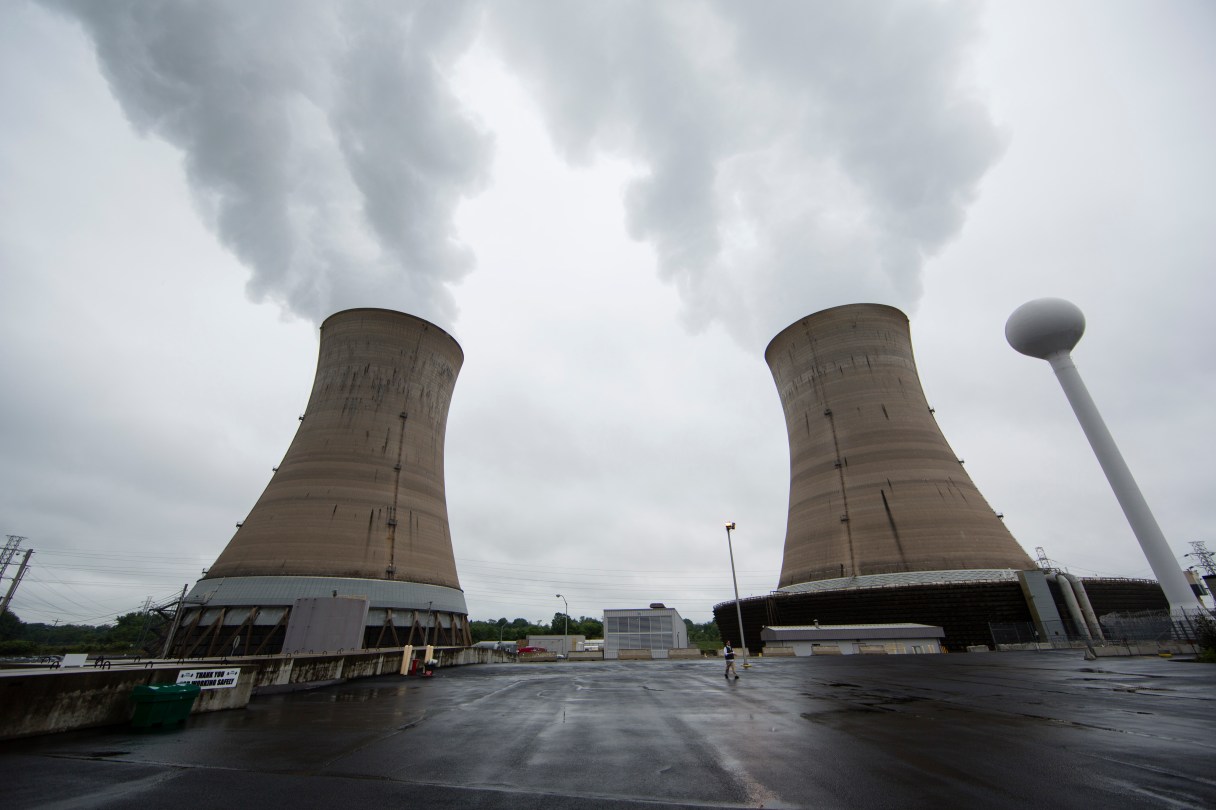
A Monday, May 22, 2017 file photo shows cooling towers at the Three Mile Island nuclear power plant in Middletown, Pa. Exelon Corp., the owner of Three Mile Island, site of the United States' worst commercial nuclear power accident, said Monday, May 29, 2017 it will shut down the plant in 2019 without a financial rescue from Pennsylvania. (AP Photo/Matt Rourke, File)
A Monday, May 22, 2017 file photo shows cooling towers at the Three Mile Island nuclear power plant in Middletown, Pa. Exelon Corp., the owner of Three Mile Island, site of the United States' worst commercial nuclear power accident, said Monday, May 29, 2017 it will shut down the plant in 2019 without a financial rescue from Pennsylvania. (AP Photo/Matt Rourke, File) A Monday, May 22, 2017 file photo shows cooling towers at the Three Mile Island nuclear power plant in Middletown, Pa. Exelon Corp., the owner of Three Mile Island, site of the United States' worst commercial nuclear power accident, said Monday, May 29, 2017 it will shut down the plant in 2019 without a financial rescue from Pennsylvania. (AP Photo/Matt Rourke, File)

HARRISBURG, Pa. – The owner of Three Mile Island, site of the United States’ worst commercial nuclear power accident, said Monday that it will shut down the plant in 2019 without a financial rescue from Pennsylvania.

Exelon Corp.’s announcement comes after what it called more than five years of losses on the single-unit power plant and its recent failure in a capacity auction to sell Three Mile Island’s power into the regional grid.

In the meantime, the Chicago-based energy company wants Pennsylvania to give nuclear power the kind of preferential treatment that are given to renewable energies, such as wind and solar.

Exelon and other nuclear power plant owners have made the pitch to states that zero-carbon nuclear plants are better suited than natural gas or coal to fight climate change.

So-called nuclear bailouts have thus far won approval in Illinois and New York, but the potential for higher utility bills in Pennsylvania is drawing pushback from rival energy companies, manufacturers and consumer advocates.