
Saturday, November 7, 2026Nov 7

This story is free to read.

Spending bill would extend health care to 9/11 responders

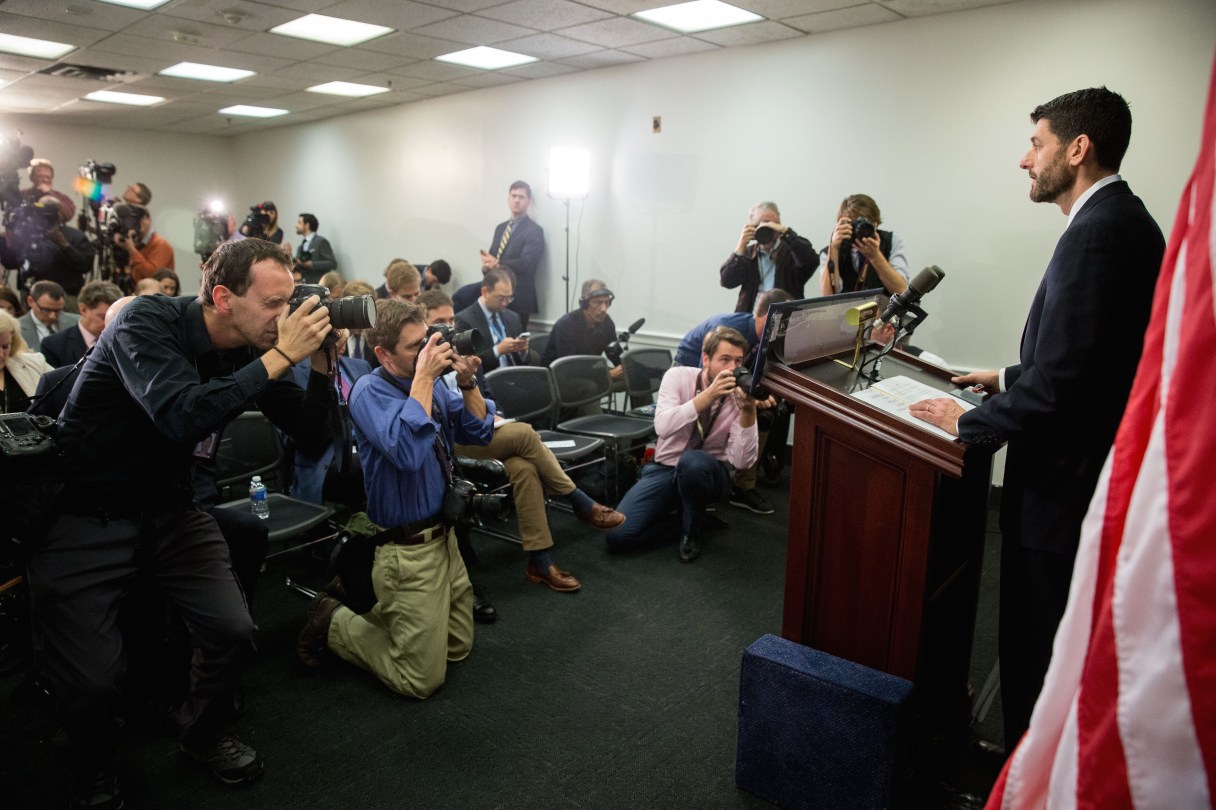
House Speaker Paul Ryan of Wis. speaks at a news conference on Capitol Hill in Washington, Wednesday, De. 16, 2015, following a GOP meeting. Congressional leaders girded to push a Christmas compromise on tax cuts and spending through the House and Senate by week's end after Republicans and Democrats reached agreement on a legislative package extending dozens of tax breaks for businesses and families and financing 2016 government operations.  (AP Photo/Andrew Harnik)
House Speaker Paul Ryan of Wis. speaks at a news conference on Capitol Hill in Washington, Wednesday, De. 16, 2015, following a GOP meeting. Congressional leaders girded to push a Christmas compromise on tax cuts and spending through the House and Senate by week's end after Republicans and Democrats reached agreement on a legislative package extending dozens of tax breaks for businesses and families and financing 2016 government operations. (AP Photo/Andrew Harnik) House Speaker Paul Ryan of Wis. speaks at a news conference on Capitol Hill in Washington, Wednesday, De. 16, 2015, following a GOP meeting. Congressional leaders girded to push a Christmas compromise on tax cuts and spending through the House and Senate by week's end after Republicans and Democrats reached agreement on a legislative package extending dozens of tax breaks for businesses and families and financing 2016 government operations. (AP Photo/Andrew Harnik)

WASHINGTON (AP) – First responders who became ill after rushing to the World Trade Center after the Sept. 11 attacks and spent weeks cleaning up the site are poised to get federal health benefits for the rest of their lives.

A year-end spending bill released early Wednesday morning and expected to pass this week would extend federal health monitoring and treatment for Sept. 11 first responders through 2090, making the program essentially permanent. The program treats victims who were exposed to toxic dust at the site. It expired this past fall.

In addition to the health fund, the legislation would pay an additional $4.6 billion into a compensation fund for the victims and extend it for five years. It would also create a new fund to compensate U.S. victims of state-sponsored terrorism.