
Monday, November 16, 2026Nov 16

AP: Across U.S., police officers misuse confidential databases

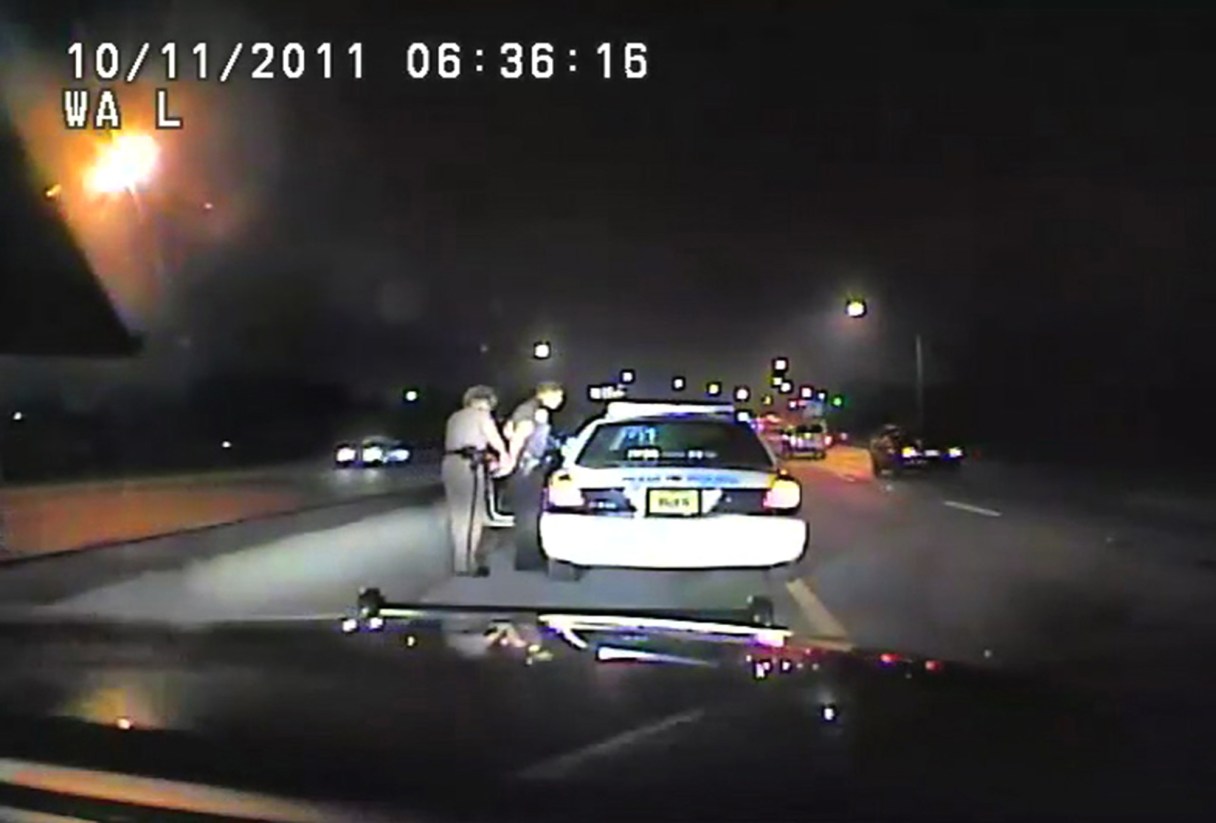
ADVANCE FOR USE WEDNESDAY, SEPT. 28, 2016 AND THEREAFTER-In this image made from an Oct. 11, 2011 video made available by the Florida Department of Highway Safety and Motor Vehicles, Florida Highway Patrol Officer Donna Watts arrests Miami Police Department Officer Fausto Lopez who was traveling at 120 miles per hour to an off-duty job, in Hollywood, Fla. After the incident, Watts says that she was harassed with prank calls, threatening posts on law enforcement message boards and unfamiliar cars that idled near her home. In lawsuits, she accused dozens of officers of obtaining information about her in the state’s driver database. (Florida Department of Highway Safety and Motor Vehicles via AP)

DENVER (AP) – Police officers across the country misuse confidential law enforcement databases to get information on romantic partners, business associates, neighbors, journalists and others for reasons unrelated to police work, an Associated Press investigation has found.

Criminal-history and driver databases legitimately give officers critical information about people they encounter on the job. But those systems can also be exploited by officers, motivated by romantic quarrels, personal conflicts or voyeuristic curiosity, who sidestep policies and sometimes the law by snooping.

No single agency tracks how often the abuse happens nationwide, and record-keeping inconsistencies make it impossible to know how many violations occur.

But the AP, through records requests to state agencies and big-city police departments, found law enforcement officers and employees who misused databases were fired, suspended or resigned more than 325 times between 2013 and 2015. They received reprimands, counseling and lesser discipline in more than 250 instances, the review found.

Unspecified discipline was imposed in more than 90 instances reviewed by AP. In many other cases, it wasn’t clear if punishment was given at all. The number of violations was surely far higher since records provided were spotty at best.