
Monday, November 2, 2026Nov 2

This story is free to read.

Panel: Shifting cargo likely caused 2013 Afghanistan crash

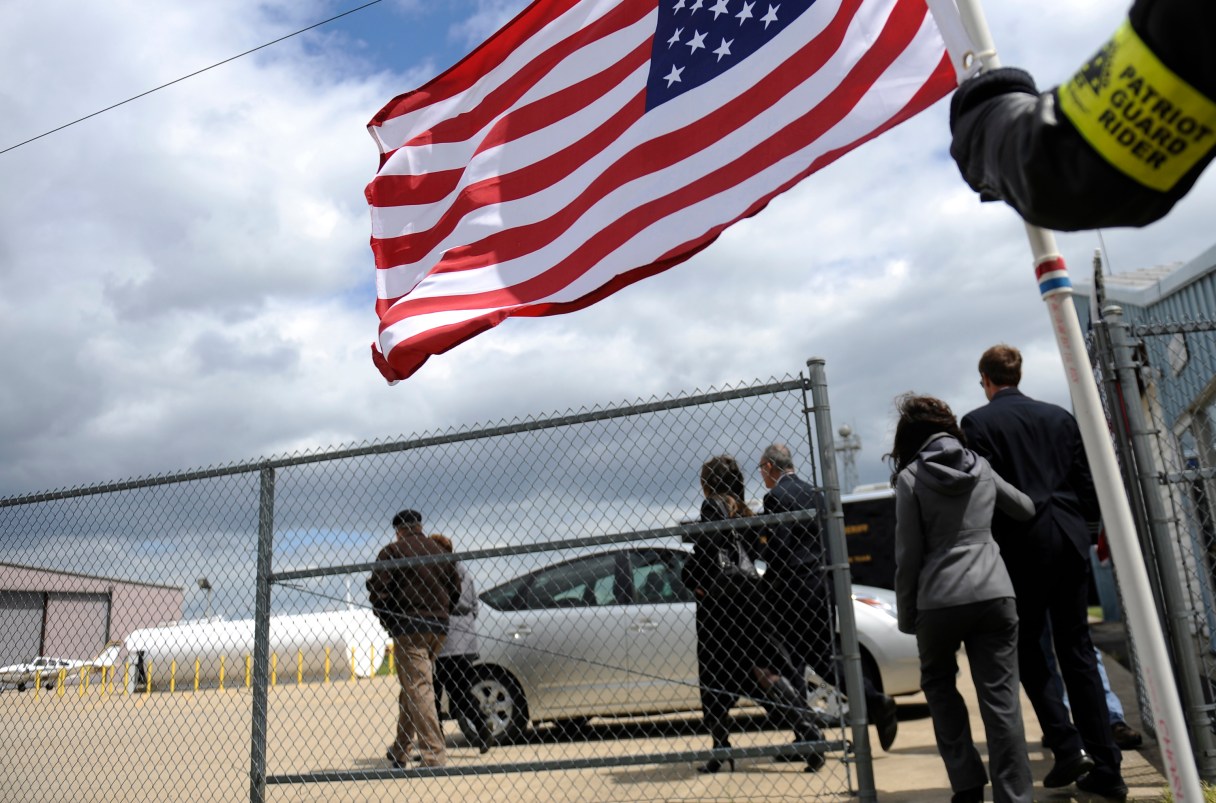
FILE - In this May 12, 2013 file photo, mourners make their way to a funeral service in Monroe, Mich., for Jamie Brokaw, a pilot from Michigan who was killed when his plane crashed after takeoff from Bagram Air Force Base in Afghanistan. The National Transportation Safety Board will meet Tuesday, July 14, 2015 to determine the probable cause of crash that killed Brokaw and six crewmembers. (Elizabeth Conley/Detroit News via AP)
FILE - In this May 12, 2013 file photo, mourners make their way to a funeral service in Monroe, Mich., for Jamie Brokaw, a pilot from Michigan who was killed when his plane crashed after takeoff from Bagram Air Force Base in Afghanistan. The National Transportation Safety Board will meet Tuesday, July 14, 2015 to determine the probable cause of crash that killed Brokaw and six crewmembers. (Elizabeth Conley/Detroit News via AP) FILE - In this May 12, 2013 file photo, mourners make their way to a funeral service in Monroe, Mich., for Jamie Brokaw, a pilot from Michigan who was killed when his plane crashed after takeoff from Bagram Air Force Base in Afghanistan. The National Transportation Safety Board will meet Tuesday, July 14, 2015 to determine the probable cause of crash that killed Brokaw and six crewmembers. (Elizabeth Conley/Detroit News via AP)

DETROIT (AP) – Federal transportation officials say a military vehicle aboard an overloaded plane in Afghanistan broke free, likely leading to the 2013 crash that killed all seven crew members.

The National Transportation Safety Board said Tuesday an improperly secured Mine Resistant Ambush Protected vehicle went through the bulkhead. It disabled two hydraulic systems, rendering the aircraft uncontrollable.

The Dubai-bound Boeing 747-400 plane was operated by National Air Cargo when it crashed just after takeoff from Bagram Air Base on April 29, 2013. The crash killed six crew members from Michigan and one from Kentucky.

NTSB officials found “critical safety deficiencies,” including a failure by parent company National Airlines to restrain cargo. It also found inadequate Federal Aviation Administration oversight of cargo operator procedures and inspector training.

The Associated Press left a message seeking comment from National Airlines.