
For decades, the Tennessee Wildlife Resources Agency has kept the profits from the sale of timber and other natural resources on publicly owned lands, folding the payments from logging companies into the agency’s annual operating budget.
A bipartisan bill introduced in the Tennessee Legislature this week seeks to bring that practice to an end. The measure, introduced by Rep. John Ragan, R-Oak Ridge, and Sen. Heidi Campbell, D-Nashville, would require agency officials to transfer all proceeds from the sale of the state’s natural resources into Tennessee’s general fund – the process typically followed by other Tennessee agencies that generate income.
The Tennessee Wildlife Resources Agency has earned more than $7.5 million from timber sales on public lands since July 2011, according to sales data obtained by the Tennessee Lookout.
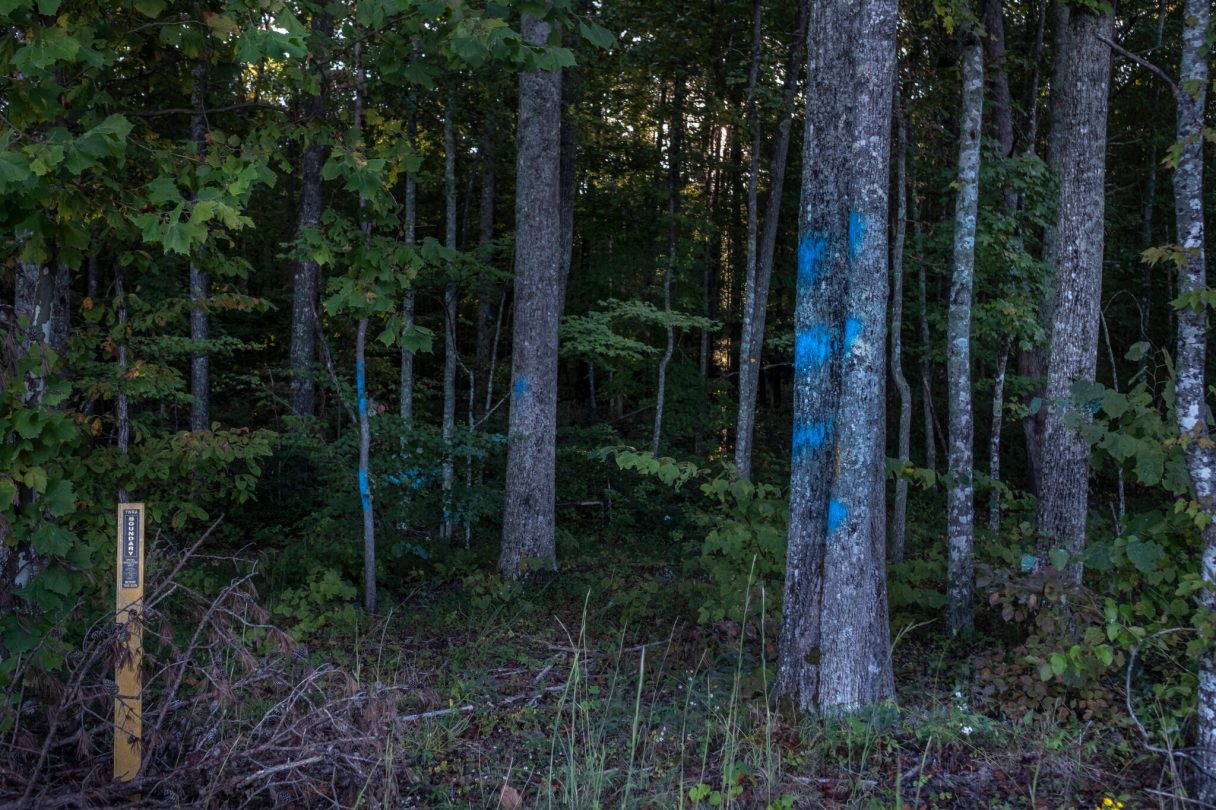
The agency is poised to earn significantly more revenue as a result of a controversial plan to raze 2,000 forested acres in the publicly-owned Bridgestone Firestone Centennial Wilderness Area, a popular hunting and recreation area near Sparta, Tenn. The plan aligns with agency objectives to create more grassland habitat for declining numbers of Northern bobwhite quail, the official game bird of Tennessee. Agency officials announced in December they would begin taking bids from loggers in February.
Ragan, who serves as co-chair of the House Government Operations Committee, said Wednesday he had no specific complaints about the Tennessee Wildlife Resources Agency. He is cosponsoring the bill, he said, as a matter of “good governance” to bring the agency in line the rest of state government.
“They should be like the others,” he said. “It’s not so much that they have done anything that’s heinous or anything like that.”
The Tennessee Wildlife Resources Agency operates with a level of financial independence that sets it apart from other state agencies.
On the agency website, it prominently notes that – unlike other state departments, which are supported through tax revenues – the Tennessee Wildlife Resources Agency is funded largely through the revenues generated from hunting and fishing licenses, timber and other sales. Those funds are earmarked exclusively for use by the agency, not transferred into the state’s general fund.
Campbell, who has been critical of the agency’s plans to deforest portions of the Bridgestone property, said the bill is designed to introduce more transparency and oversight to the work of the agency.
“I think fiscal responsibility is important to all Tennesseans,” Campbell said. “People in our state government don’t know what’s going on with the TWRA. This bill would bring the same oversight that every other division of state government operates under.”
Environmental advocates and White County residents and officials opposed to the Bridgestone plans have criticized the agency’s timber sales as providing a perverse incentive for agency officials to increase the size of their own agency budget.
Campbell and Ragan are among the 34 Tennessee lawmakers who on Tuesday sent a letter to Bobby Wilson, the agency’s executive director, accusing his agency of “breaching its duty to protect natural wildlife in Tennessee.” The bipartisan message criticized the agency’s plan to deforest 2,000 acres on the Bridgestone land in White County and urged the agency to “stop all action on the plan immediately.”
(READ MORE: Wildlife officials release details of plan to clearcut wilderness area)
It remains unclear whether agency officials plan to accede to lawmakers’ demands.
On Wednesday, News Channel 9 in Chattanooga reported that clearcutting plans in the Bridgestone Firestone Centennial Wilderness have been temporarily suspended. The TV station report quoted Wilson, the agency’s executive director, as saying he “will be suspending any plans to do cutting until this situation is resolved.”
However, Tracey Boyers, the agency’s general counsel, declined to confirm the accuracy of TV report to the Lookout on Wednesday, writing in an email that “this matter is currently the subject of pending litigation, and the agency does not comment on matters in litigation.”
Boyers did not respond to further questions, including the agency’s perspective on the bill introduced by Campbell and Ragan.
Tennessee Wildlife Resources Agency officials have not communicated any change in plans to community officials or local residents who would be the most directly impacted by clearcutting plans on the public lands that serve as a key component of their local economy – drawing tourists, hunters, hikers, kayakers and retirees.
Last week, Marvin Bullock, president of the Sparta/White County Chamber of Commerce, served the Tennessee Wildlife Resources Agency with a 60-day notice of his intent to sue under the Endangered Species Act should plans move forward on land that, he said, is home to at least six endangered species and more than 30 species of plants and animals that are of state and federal concern.
(READ MORE: Lawmakers weigh in to oppose Tennessee Wildlife Resources Agency clearcutting)
Bullock’s attorney, Austin Warehime, said Wednesday neither he nor Bullock have received any communication about a temporary pause on clearcutting plans.
“There’s been a lot of frustration that they have absolutely not communicated with what’s going on on a piece of property that is very dear to [local residents],” Warehime said.
Bullock is “cautiously optimistic” after hearing from the TV report the agency may be suspending its clearcutting plans. But Bullock is also “concerned that the public will believe the war is over. This is just a small battle, until TWRA completely scraps the plan, the endangered species aren’t safe,” Warehime said.
Read more at TennesseeLookout.com.