
Monday, November 2, 2026Nov 2

This story is free to read.

Litvinenko inquiry: Radioactive body posed autopsy hazard

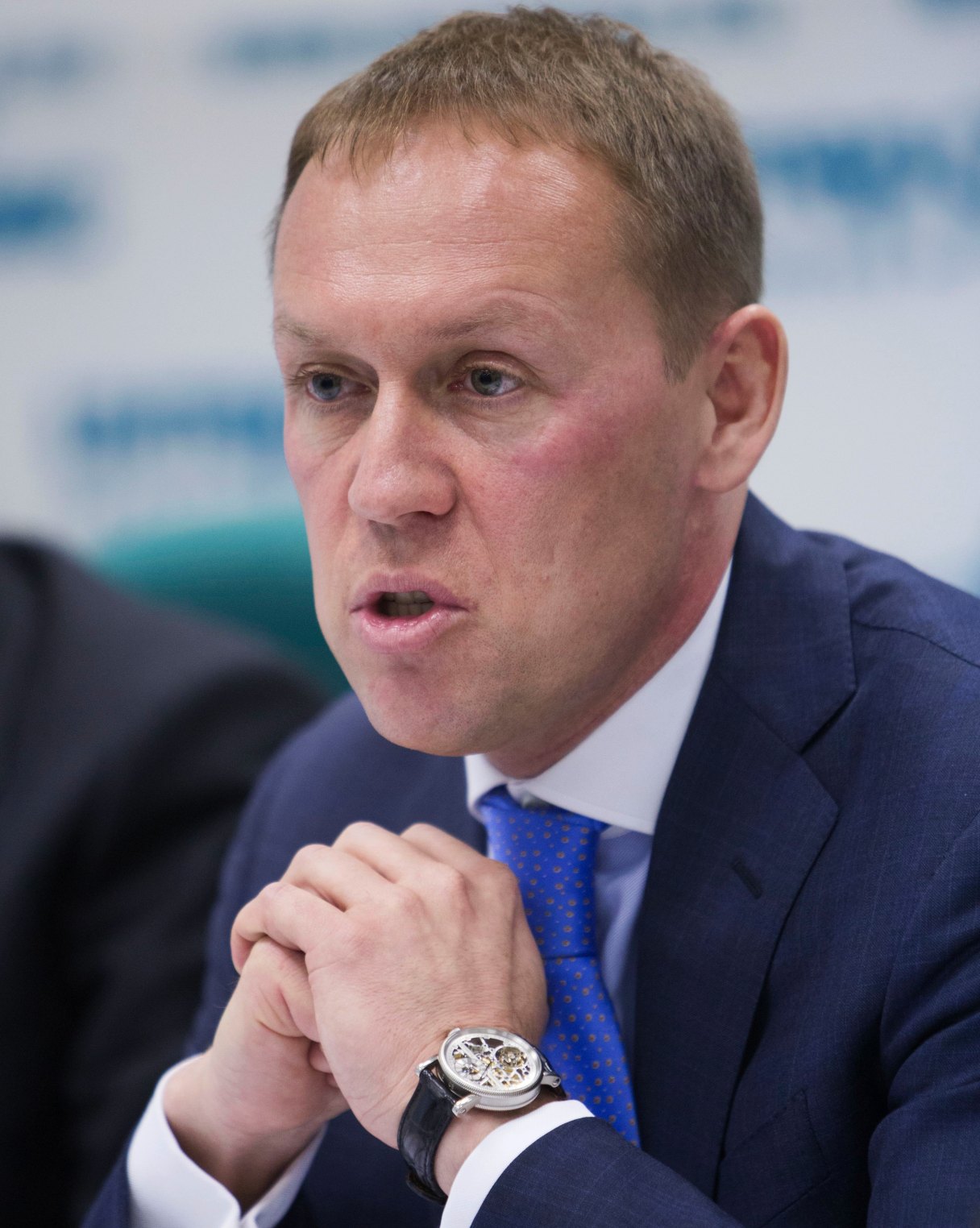
FILE - In this Tuesday, March 12, 2013 file photo, former KGB agent Andrei Lugovoi speaks at a news conference in Moscow, Russia, about the 2006 poisoning in London of former Russian agent turned Kremlin critic Alexander Litvinenko. A long-awaited inquiry into the death of former Russian spy Alexander Litvinenko opened Tuesday in London with the revelation that the KGB agent turned Kremlin critic may have been poisoned with radioactive polonium not once, as authorities initially thought, but twice.  (AP Photo/Misha Japaridze, File)
FILE - In this Tuesday, March 12, 2013 file photo, former KGB agent Andrei Lugovoi speaks at a news conference in Moscow, Russia, about the 2006 poisoning in London of former Russian agent turned Kremlin critic Alexander Litvinenko. A long-awaited inquiry into the death of former Russian spy Alexander Litvinenko opened Tuesday in London with the revelation that the KGB agent turned Kremlin critic may have been poisoned with radioactive polonium not once, as authorities initially thought, but twice. (AP Photo/Misha Japaridze, File) FILE - In this Tuesday, March 12, 2013 file photo, former KGB agent Andrei Lugovoi speaks at a news conference in Moscow, Russia, about the 2006 poisoning in London of former Russian agent turned Kremlin critic Alexander Litvinenko. A long-awaited inquiry into the death of former Russian spy Alexander Litvinenko opened Tuesday in London with the revelation that the KGB agent turned Kremlin critic may have been poisoned with radioactive polonium not once, as authorities initially thought, but twice. (AP Photo/Misha Japaridze, File)

LONDON (AP) – A pathologist says the body of former Russian agent Alexander Litvinenko was so radioactive that his post-mortem was “one of the most dangerous” ever undertaken.

Nathaniel Cary said Litvinenko’s body was so hazardous that it was left in place for two days after he died in a London hospital on Nov. 23, 2006, from poisoning with radioactive polonium-210.

Litvinenko, a former KGB agent turned Kremlin critic, fell ill after drinking tea with two Russian men at a London hotel.

Police Det. Insp. Craig Mascall told an inquiry into Litvinenko’s death Wednesday that the men who met Litvinenko, Dmitry Kovtun and Andrei Lugovoi, are still wanted for murder.

In Moscow, Lugovoi told The Associated Press that evidence being presented at the inquiry is “nonsense.” Russia refuses to extradite both suspects.