
Sunday, November 15, 2026Nov 15

Who are US Muslims? Meet a coach, an entrepreneur, a lawyer

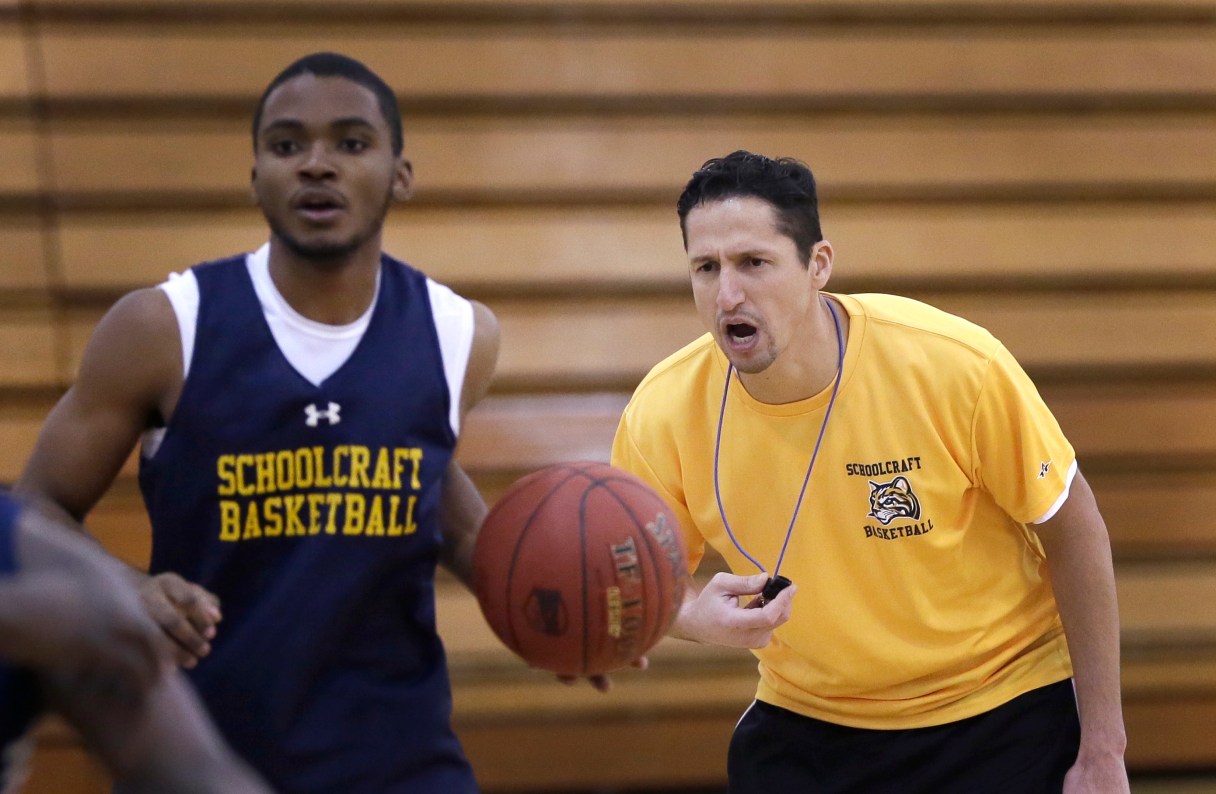
In this Tuesday, Dec. 8, 2015 photo, Abe Mashhour, head basketball coach at Schoolcraft College, directs a practice session in Livonia, Mich. Mashhour came to the U.S. from Lebanon at the age of 4 - the youngest child of nine to escape that nation's civil war. His family moved to Dearborn, Mich., which has a large and longstanding Arab-American community. As a Muslim, he says, "my faith is the center of who I am and what I was taught by my parents," and considers himself "very blessed and fortunate to grow up in this country." (AP Photo/Carlos Osorio)

When Donald Trump offered a “temporary” plan to block Muslims from entering the United States in response to jihadist terrorism, some supporters cheered while other Americans decried the call as “xenophobic,” saying Muslims are an important part of the national fabric.

Who are the Muslims in U.S. communities?

In most places, they represent a small fraction of residents. Muslims make up less than 1 percent of the U.S. adult population. The largest Muslim communities can be found around New York, Los Angeles, Detroit, Chicago and Houston.

Nearly 40 percent of U.S. Muslims are white, while nearly three-in-10 are black and the same share are Asian. They tend to be younger and better educated than the general public, with 39 percent holding a college degree, compared to 27 percent of all Americans, according to the Pew Research Center.

Sixty-one percent of Muslims in the U.S. are immigrants, according to Pew. Among all immigrants granted permanent residency status, or green cards, the share of Muslims increased from about 5 percent in 1992 to roughly 10 percent in 2012, representing about 100,000 immigrants in that year, according to Pew.