
Tuesday, November 10, 2026Nov 10

Transgender ‘milestones’ took decades; more lawsuits likely

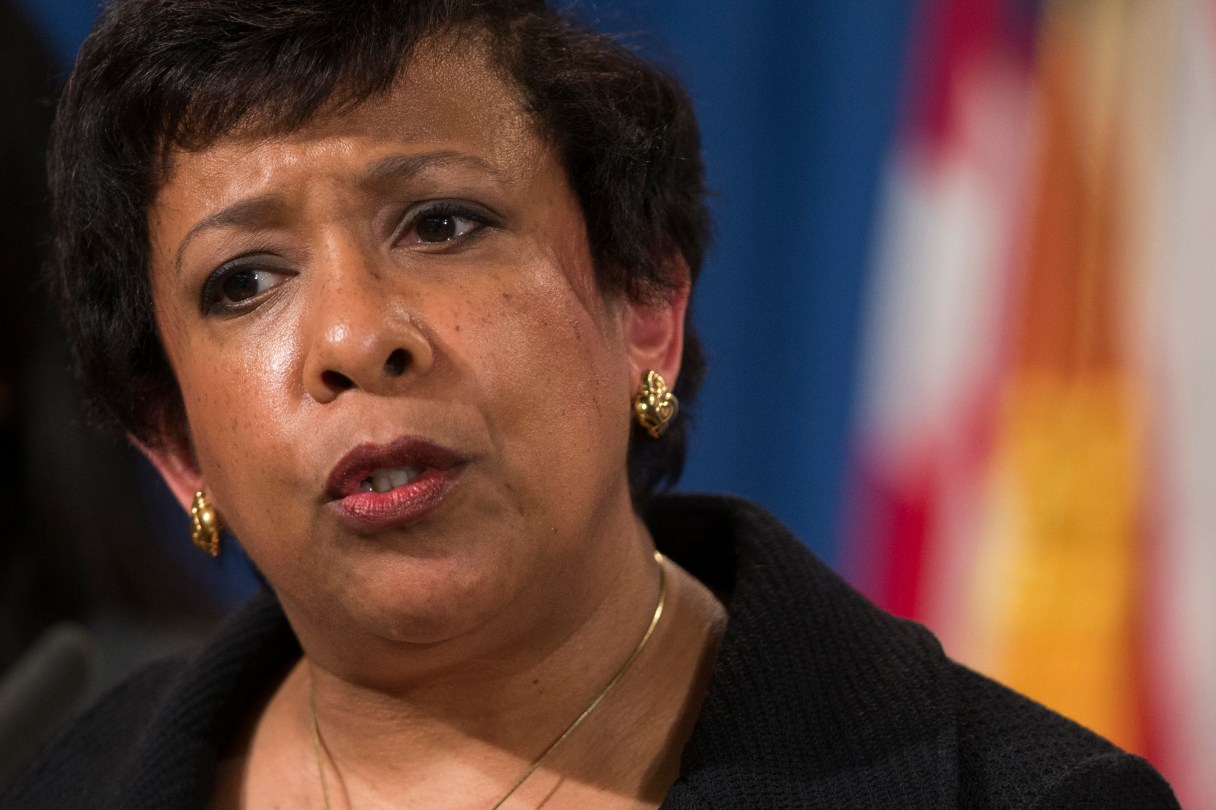
FILE - In this May 9, 2106 file photo, Attorney General Loretta Lynch speaks during a news conference at the Justice Department in Washington after North Carolina sued the federal government in a fight for a state law that limits protections for lesbian, gay, bisexual and transgender people. The federal government made headlines last week by suing North Carolina for discriminating against transgender people and then following up with guidance on how to accommodate transgender students.  (AP Photo/Evan Vucci, File)
FILE - In this May 9, 2106 file photo, Attorney General Loretta Lynch speaks during a news conference at the Justice Department in Washington after North Carolina sued the federal government in a fight for a state law that limits protections for lesbian, gay, bisexual and transgender people. The federal government made headlines last week by suing North Carolina for discriminating against transgender people and then following up with guidance on how to accommodate transgender students. (AP Photo/Evan Vucci, File) FILE - In this May 9, 2106 file photo, Attorney General Loretta Lynch speaks during a news conference at the Justice Department in Washington after North Carolina sued the federal government in a fight for a state law that limits protections for lesbian, gay, bisexual and transgender people. The federal government made headlines last week by suing North Carolina for discriminating against transgender people and then following up with guidance on how to accommodate transgender students. (AP Photo/Evan Vucci, File)

WASHINGTON (AP) – With two milestone developments in the federal government’s policy on gender issues, last week was heady for transgender people and advocates.

First, an impassioned Attorney General Loretta Lynch announced the government was suing North Carolina for discriminating against transgender people. Later, federal officials issued guidance to public schools on accommodating transgender students.

But legal experts and advocates for the approximately 700,000 transgender people estimated to be living in the United States say last week’s headline-grabbing developments reflect a slowly-evolving change in the law over more than a decade toward increased protections for transgender people.

“The trend is clearly toward recognizing that sex discrimination law protects against gender identity discrimination,” said Suzanne B. Goldberg, director of the Center for Gender and Sexuality Law at Columbia University’s law school.

Over the next few years there will likely be more cases on that question, advocates on both sides agreed.