
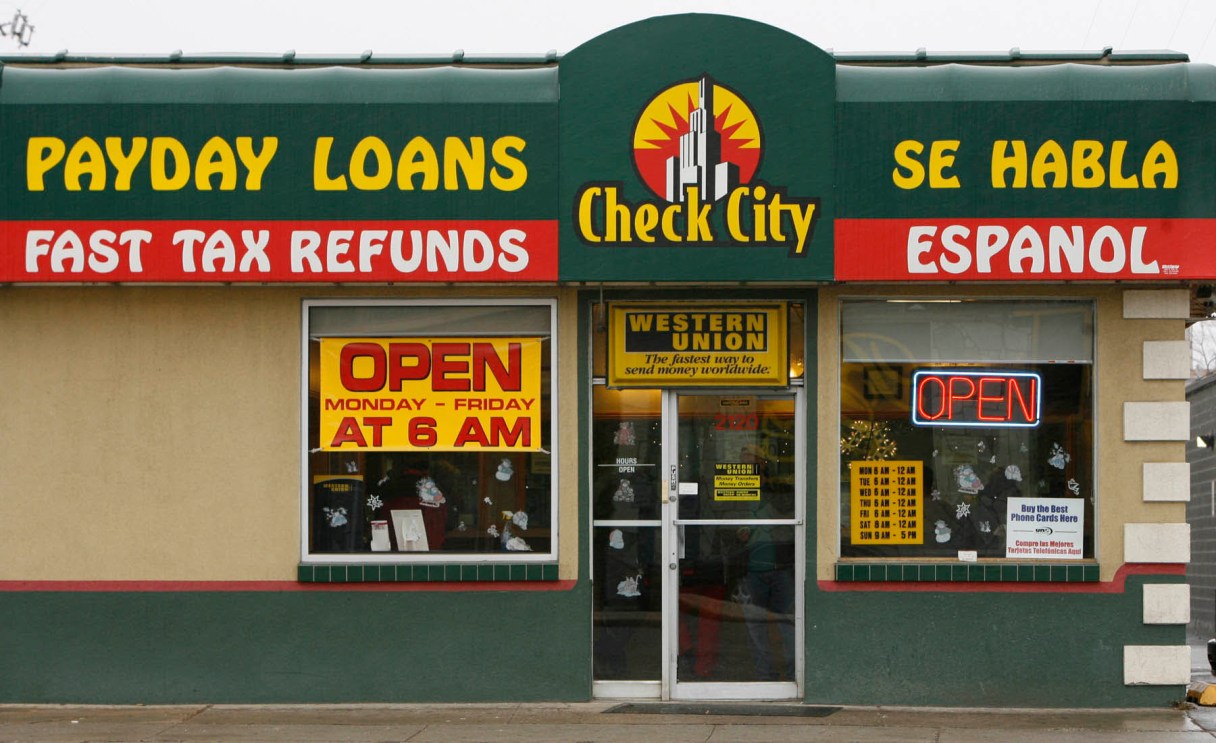
Each year, roughly 12 million Americans face sufficient financial hardship that they turn to a costly and potentially hazardous alternative: short-term, high-interest consumer loans, colloquially referred to as “payday loans” These products offer the lure of immediate relief but at an exorbitant cost, too often leading to a downward spiral of re-borrowing (at additional cost).
In 2017, the Consumer Financial Protection Bureau adopted tighter standards on payday lenders, specifically requiring them to make a rudimentary effort to verify the borrowers’ ability to repay. The rules are slated to take effect in August.
 Christopher A. Hopkins
But new management at the CFPB has reversed course. Under new leadership, the Bureau has proposed rescinding the underwriting rules and returning to status quo ante. The proposal is entering a mandatory 90-day comment period before final adoption. The ultimate effect will likely be to ensnare more financially distressed Americans in a hopeless debt trap.
The CFPB was established in 2010 as part of the Dodd Frank financial reform legislation, passed in response to the financial crisis a decade ago. The agency suffers from some fundamental design flaws, and was ensnared in partisan politics from the outset. Yet it has served a valuable purpose in consolidating disparate consumer protection functions of the federal government and has produced some beneficial results. One of these is expanded protection from predatory lending.
A typical transaction involves a two week loan of $375. According to research from the Pew Charitable Trusts, the average borrower remains in debt for five months of the year and incurs a total of $520 in fees on the original loan of $375. That translates into an astronomical annual percentage rate of 391 percent (a quick check two local lenders’ websites shows a 460 percent APR) and a total of $9 billion in loan fees each year.