
BISMARCK, N.D. (AP) – The Latest on the Dakota Access oil pipeline protest (all times local):
11:10 a.m.
Activists protesting the Dakota Access oil pipeline in North Dakota say they believe law enforcement officers are planning to take action soon to remove them from private land owned by the pipeline company.
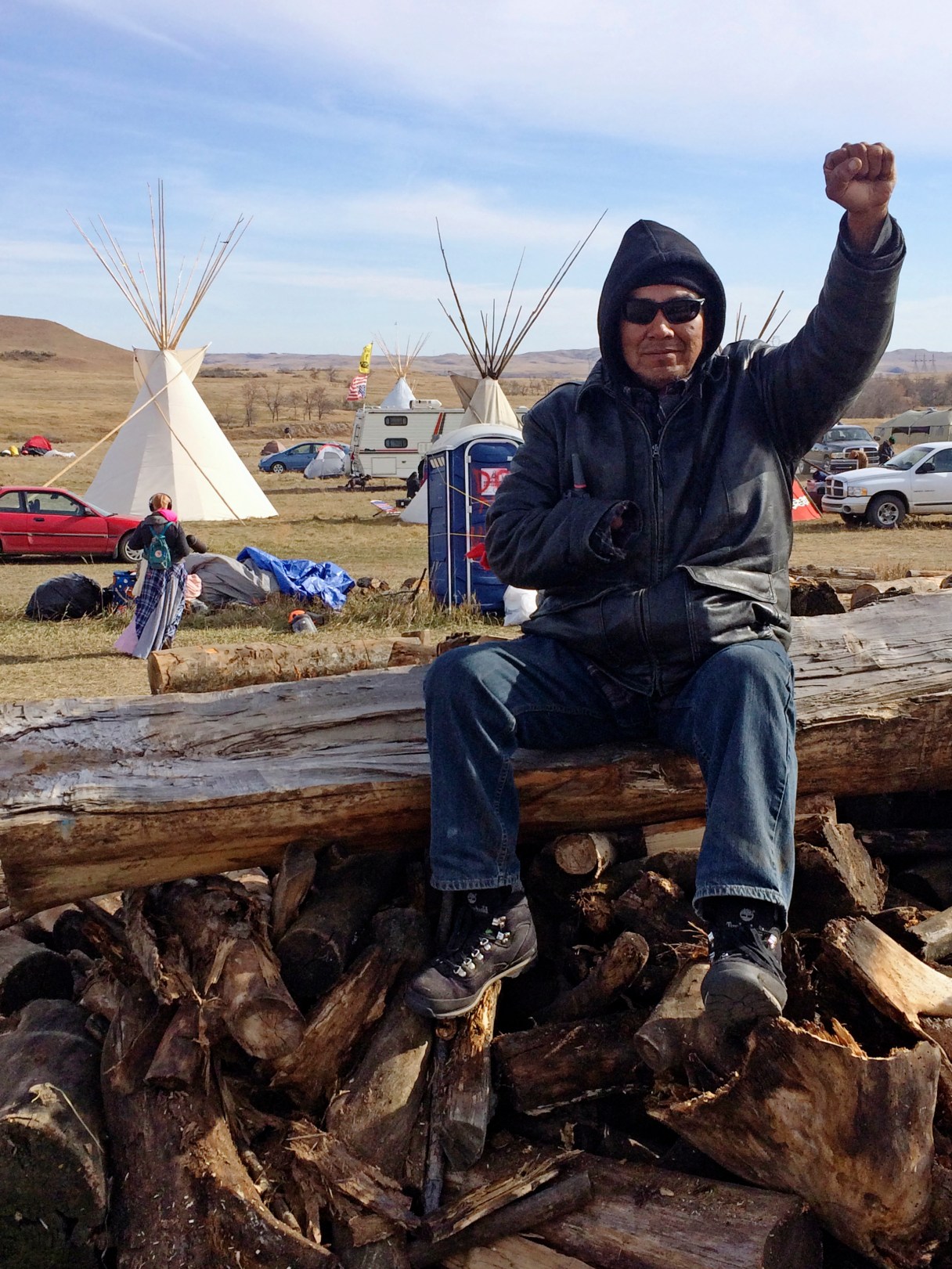
Protester Mekasi Camp Horinek said Wednesday that activists “are going to hold this spot,” and the Standing Rock Sioux tribe has put five ambulances on standby.
Protesters moved last weekend onto the private land just north of the main protest camp, which is on federal land. They’re hoping to block completion of the nearly 1,200-mile pipeline that they fear could harm cultural sites and drinking water for the tribe.
Energy Transfer Partners, which is building the pipeline, said Tuesday that the protesters are trespassing and that “lawless behavior will not be tolerated.”
State Emergency Services spokeswoman Cecily Fong wouldn’t comment Wednesday on any plans to remove the protesters.
___
10:45 a.m.
Investigators say private security guards with dogs who were involved in a clash with Dakota Access pipeline protesters weren’t licensed to do security work in North Dakota.
Morton County Sheriff’s Capt. Jay Gruebele released a statement Wednesday saying results of his office’s investigation have been forwarded to prosecutors for consideration of misdemeanor charges.
The clash occurred Sept. 3, after construction crews removed topsoil from private land that protesters believe contained Native American burial and cultural sites. The state and pipeline company dispute that any sacred grounds have been disturbed.
Authorities said four security guards and two guard dogs were injured. The Standing Rock Sioux tribe says protesters reported that six people were bitten by security dogs, and at least 30 people were pepper-sprayed.
The pipeline company didn’t immediately respond to a request for comment Wednesday.
___
10:20 a.m.
Nearly all of the $6 million in emergency funding earmarked for law enforcement costs related to the Dakota Access pipeline protest in North Dakota has been used up.
The state’s Emergency Commission approved the money in late September, but North Dakota Department of Emergency Services spokeswoman Cecily Fong says nearly $5.8 million has already been used.
The department will ask for more money, though Fong didn’t immediately know how much or when.
The money is borrowed from the state-owned Bank of North Dakota and will need to be paid back with interest. The Emergency Services Department will ask the Legislature to do so next year.
Protests supporting the Standing Rock Sioux tribe’s opposition to the pipeline have been ongoing for months, with more than 260 people arrested so far.