
NEW DELHI (AP) – Engineers were working Tuesday on restoring New Delhi’s full water supply after protesters damaged a key canal in a neighboring state and disrupted supplies over the weekend – highlighting the extreme water vulnerability faced by the Indian capital’s 18 million residents.
Partial water supplies were restored in northern and central parts of New Delhi, and will hopefully reach western neighborhoods by Tuesday evening, said Delhi’s water minister, Kapil Mishra. In the meantime, he said, 70 water tankers have been sent to western areas of the city.
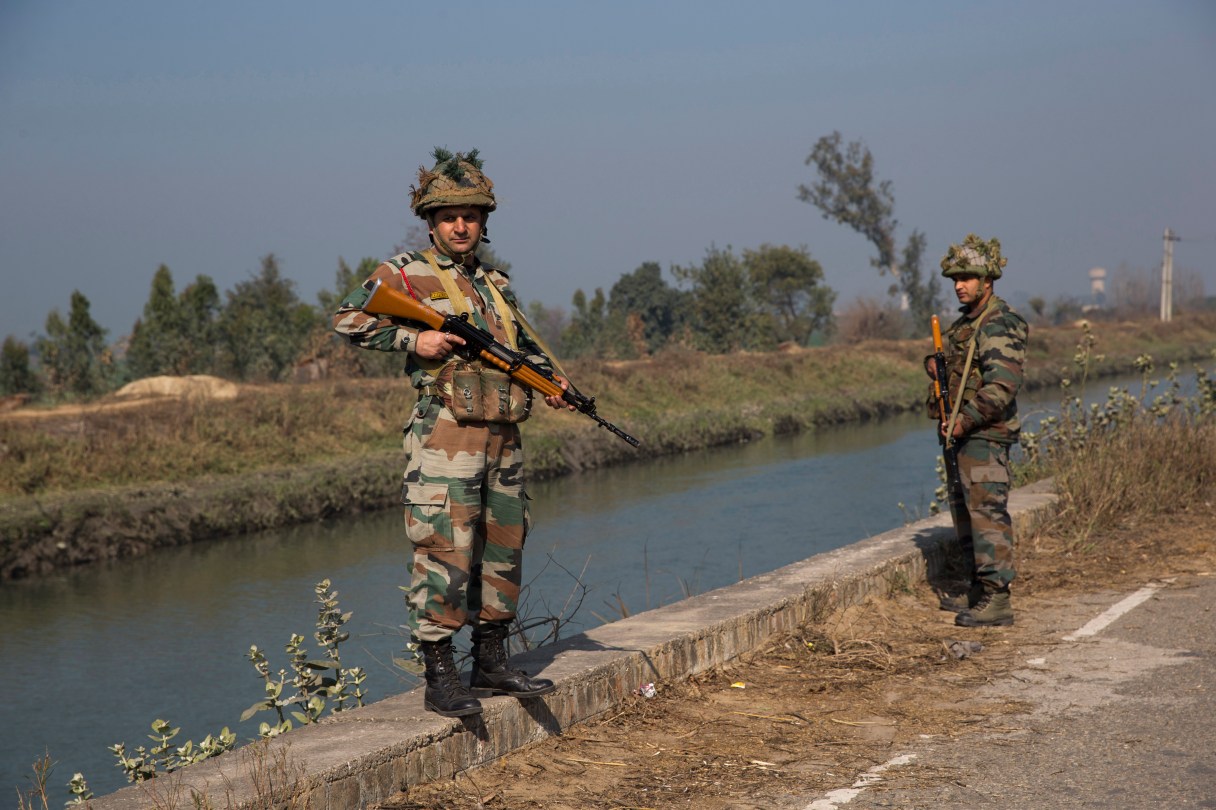
The destruction of the Munak canal link by protesters in the state of Haryana has focused attention on New Delhi’s precarious water supply. The canal, which channels water from north Indian rivers, accounts for about 60 percent of the city’s water supply. Another 25 percent comes from groundwater, while the polluted Yamuna River supplies about 12 percent.
Yet even when the Munak canal flow is unimpeded, the overall water supply to New Delhi is not enough to meet its needs.
The situation is especially bad for the most marginal communities living in slums or riverside shanties, where many rely on sewage-tainted river water or deliveries by municipal water trucks. Others in the city draw heavily from the ground, leading New Delhi’s aquifer levels to decline by 4 meters (13 feet) in the last decade, according to the Central Ground Water Board.