
Friday, November 13, 2026Nov 13

Secrecy a hallmark of Supreme Court vetting process

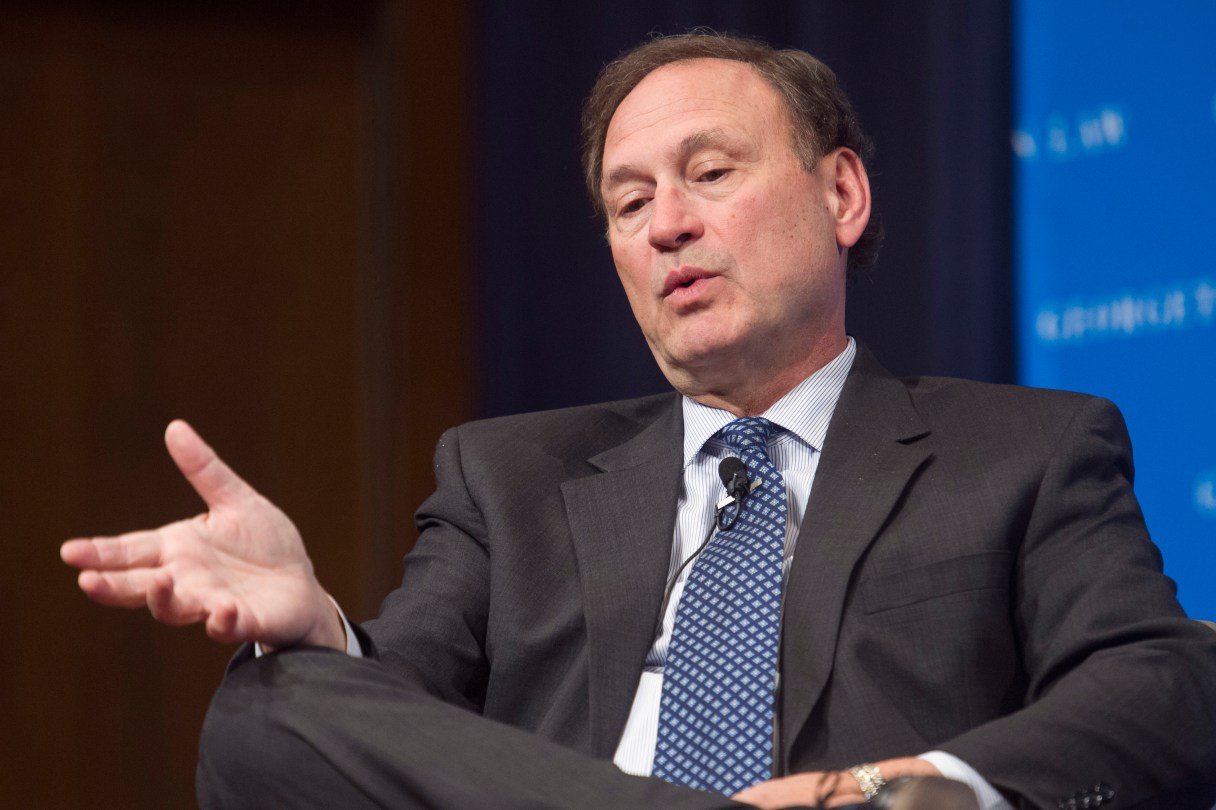
FILE - In this Feb. 23, 2016 file photo, Supreme Court Justice Samuel Alito speaks in Washington. A hallmark in the search for a new Supreme Court justice is the secretive process for making sure the choice is kept under wraps until the president is ready to reveal it. (AP Photo/Cliff Owen, File)
FILE - In this Feb. 23, 2016 file photo, Supreme Court Justice Samuel Alito speaks in Washington. A hallmark in the search for a new Supreme Court justice is the secretive process for making sure the choice is kept under wraps until the president is ready to reveal it. (AP Photo/Cliff Owen, File) FILE - In this Feb. 23, 2016 file photo, Supreme Court Justice Samuel Alito speaks in Washington. A hallmark in the search for a new Supreme Court justice is the secretive process for making sure the choice is kept under wraps until the president is ready to reveal it. (AP Photo/Cliff Owen, File)

WASHINGTON (AP) – Clandestine meetings. Soundproofed rooms. Top-secret instructions.

It sounds like the elements for a spy movie, but it’s become a hallmark of the undercover process for considering potential Supreme Court nominees.

The Obama administration is close to naming a replacement for Justice Antonin Scalia, who died last month and would have turned 80 on Friday. An announcement is expected soon, although whether a nominee can be confirmed by the Senate is in doubt. The Senate’s majority Republicans say the seat should be filled not by Obama, but by his successor.

If history is a guide, the White House will take elaborate precautions to make sure the choice for the lifetime seat is kept under wraps until the president is ready to reveal it.

Back in 2005, Samuel Alito was an appeals court judge based in New Jersey when he was summoned to Washington for a Saturday interview with President George W. Bush.