
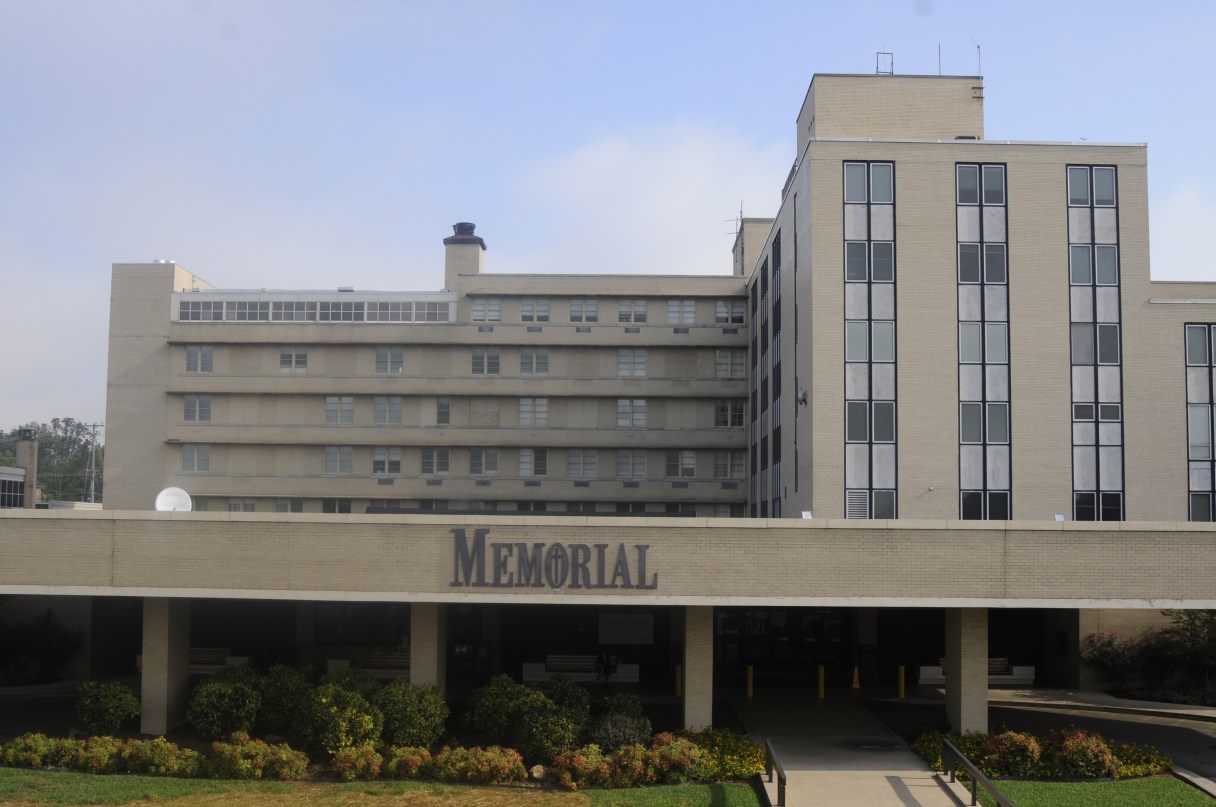
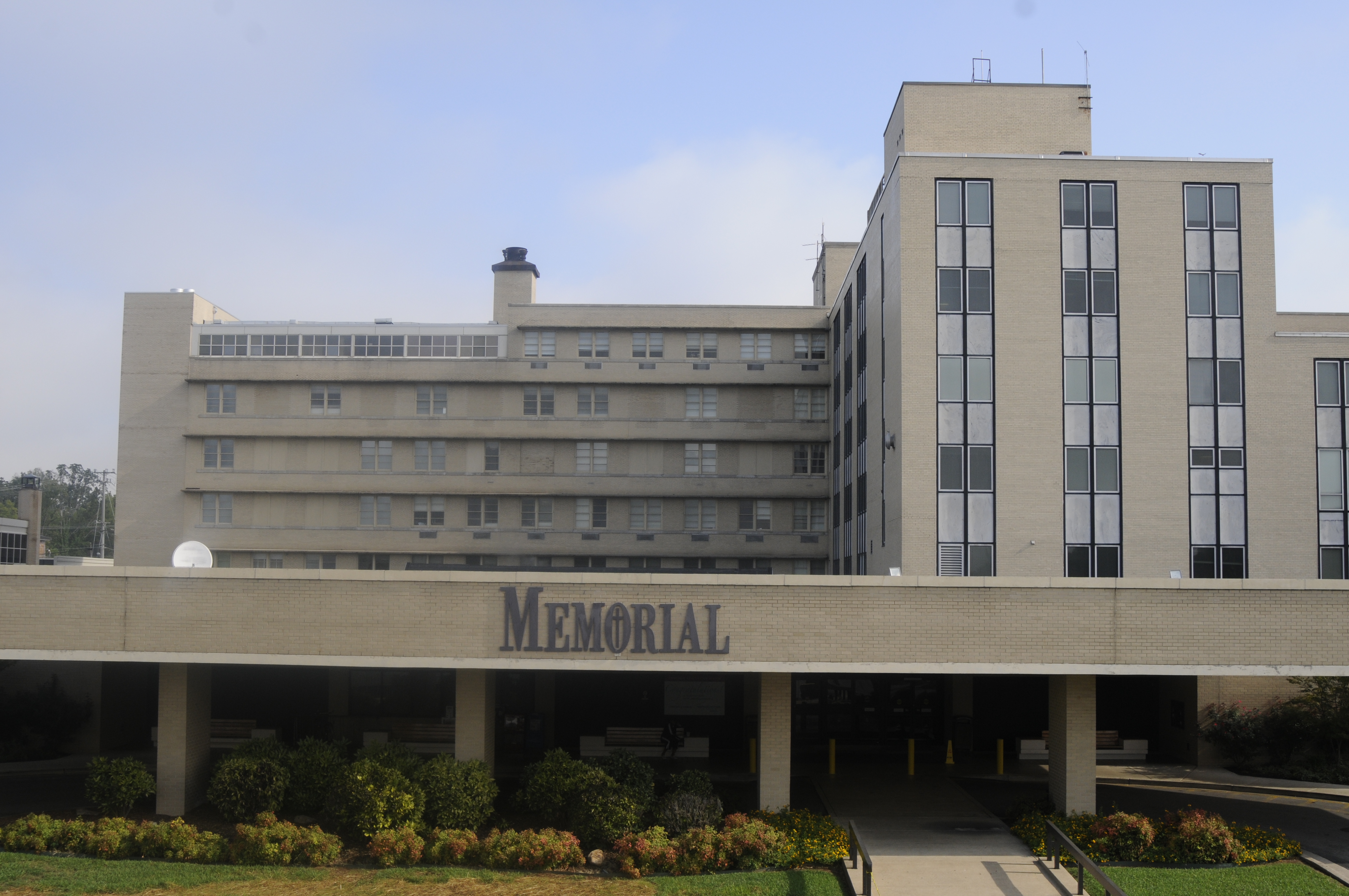
 Memorial Hospital is located at 2525 de Sales Avenue in Chattanooga.
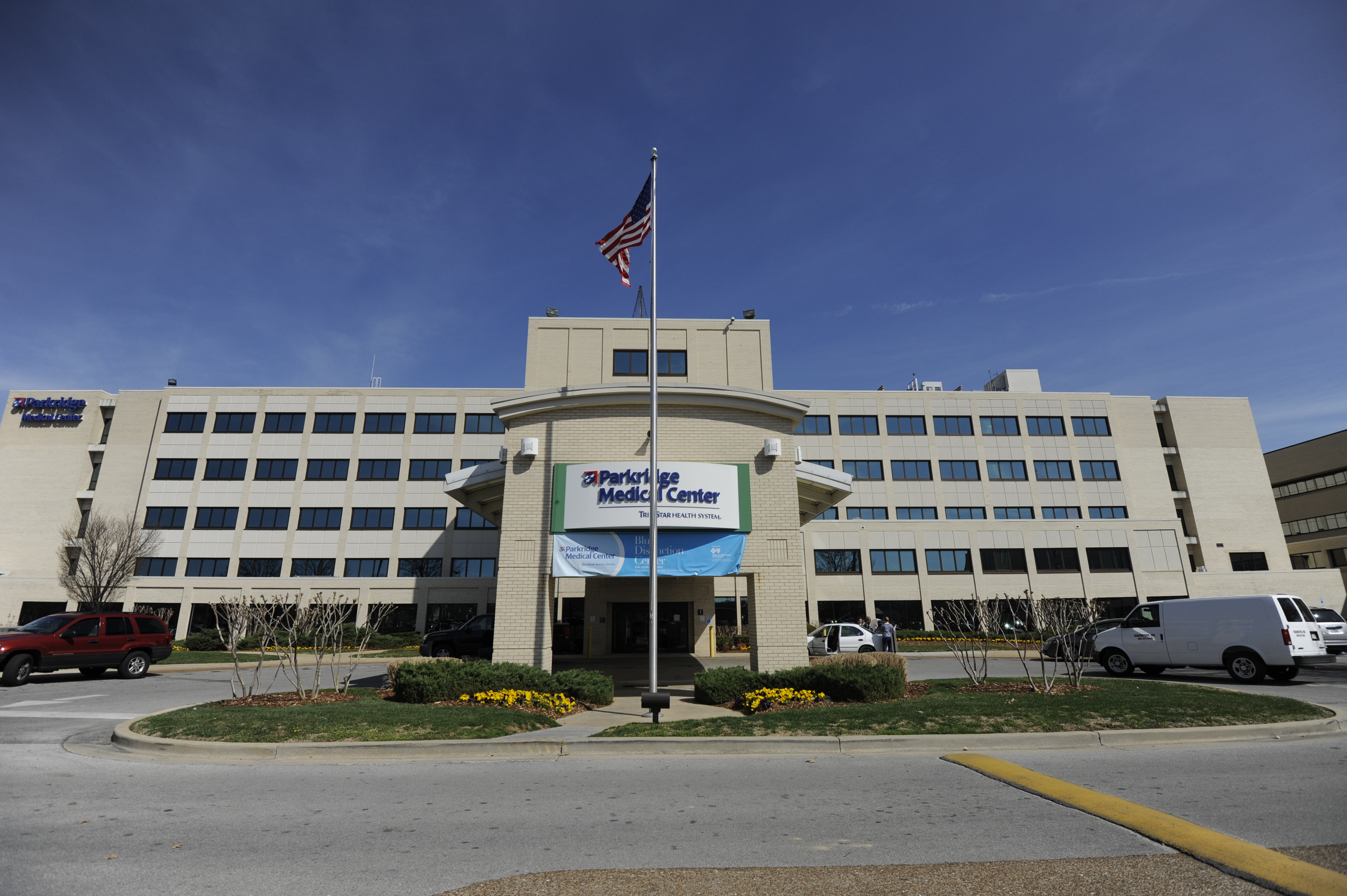 Parkridge Medical Center in Chattanooga, Tenn.
LEAPFROG SCORES
Parkridge Medical Center: A99 percent of patients received right antibiotic95 percent of urinary catheters removed within two days of operationDeath from serious treatable complications after surgery: 116 per 1,000 patient dischargesMemorial Health Care System: A100 percent of patients received right antibiotic89 percent of urinary catheters removed within two days of operationDeath from serious treatable complications after surgery: 87 per 1,000 patient dischargesHamilton Medical Center: B100 percent of patients received right antibiotic94 percent of urinary catheters removed within two days of operationDeath from serious treatable complications after surgery: 117 per 1,000 patient dischargesErlanger Health System: C97 percent of patients received right antibiotic87 percent of urinary catheters removed within two days of operationDeath from serious treatable complications after surgery: 136 per 1,000 patient dischargesErlanger at Hutcheson: C98 percent of patients received right antibiotic86 percent of urinary catheters removed within two days of operationDeath from serious treatable complications after surgery: Not availableSkyridge Medical Center: C96 percent of patients received right antibiotic68 percent of urinary catheters removed within two days of operationDeath from serious treatable complications after surgery: 125 per 1,000 patient discharges
Local Chattanooga hospitals received a mixed report card in a first-ever hospital safety review by a national patient-safety advocacy group, even as hospitals across the country protested the scores as incomplete and inaccurate.
The Leapfrog Group, an independent national nonprofit run by employers and other large purchasers of health benefits, gave national hospitals a letter grade based on a Hospital Safety Score.
“The Hospital Safety Score exclusively measures safety — meaning errors, accidents and infections,” said Dr. Ashish Jha of Harvard University last week in a news release. “There is an overwhelming amount of information out there that could be useful when we are admitted to the hospital, but very few of us know what it is or where to find it.”
Jha was one of the nine members of the panel that oversaw the compilation of the data.