
Tuesday, November 10, 2026Nov 10

Russia appeals for calm as crisis forces it to cut budget

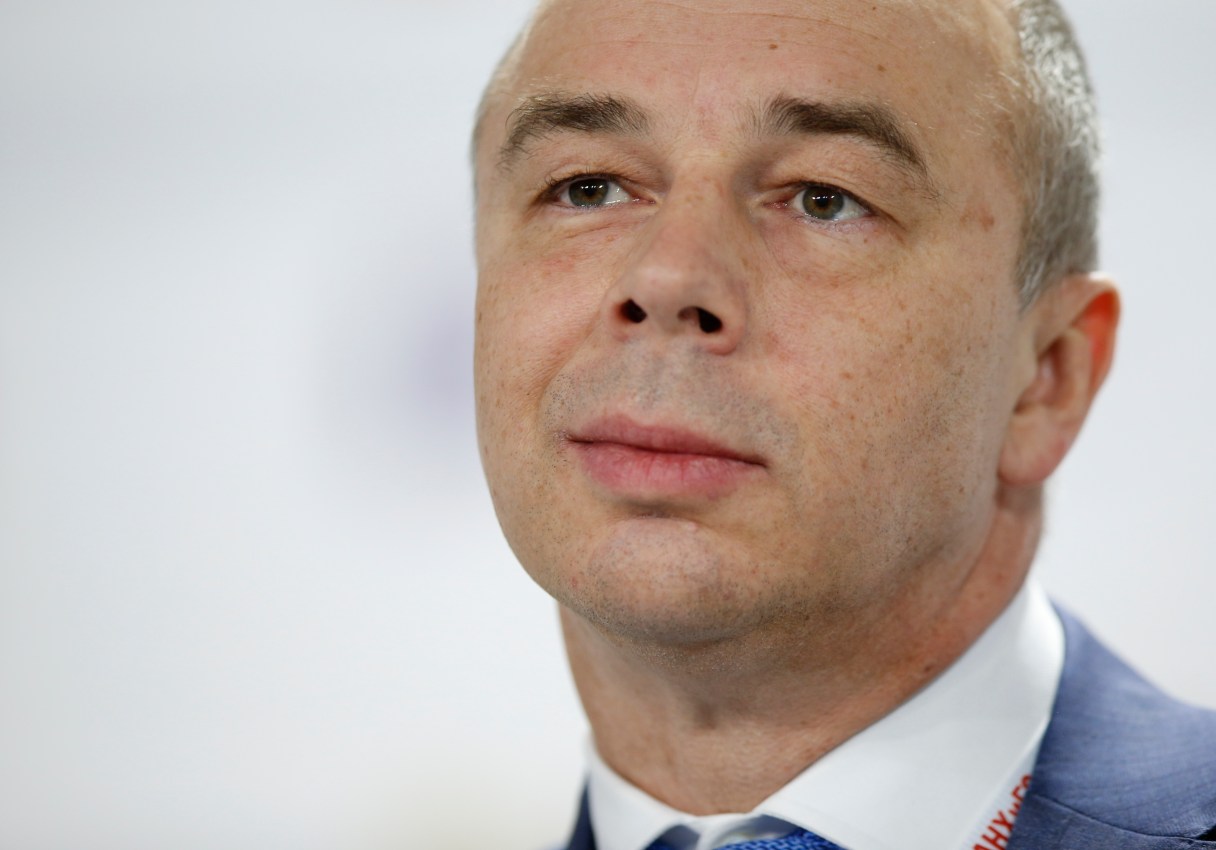
Russia's finance minister Anton Siluanov attends the Gaidar Forum in Moscow, Russia, Wednesday, Jan. 14, 2015. Siluanov said an earlier plan to boost government spending by nearly 12 percent this year is unrealistic, and some of the planned expenditures should be cut. Russia's finance minister has promised to maintain a tight lid on spending as the country faces its worst economic downturn in 15 years.  (AP Photo/Pavel Golovkin)
Russia's finance minister Anton Siluanov attends the Gaidar Forum in Moscow, Russia, Wednesday, Jan. 14, 2015. Siluanov said an earlier plan to boost government spending by nearly 12 percent this year is unrealistic, and some of the planned expenditures should be cut. Russia's finance minister has promised to maintain a tight lid on spending as the country faces its worst economic downturn in 15 years. (AP Photo/Pavel Golovkin) Russia's finance minister Anton Siluanov attends the Gaidar Forum in Moscow, Russia, Wednesday, Jan. 14, 2015. Siluanov said an earlier plan to boost government spending by nearly 12 percent this year is unrealistic, and some of the planned expenditures should be cut. Russia's finance minister has promised to maintain a tight lid on spending as the country faces its worst economic downturn in 15 years. (AP Photo/Pavel Golovkin)

MOSCOW (AP) – Russian government officials appealed for calm on Wednesday after predicting budget cuts and a further surge in inflation as the country faces its worst economic downturn in 15 years.

With the currency and economy wilting under the twin blows of Western sanctions and a fall in the price of oil exports, Finance Minister Anton Siluanov proposed slashing some 10 percent to most areas of the state budget.

That is a significant turnaround for the government of President Vladimir Putin, who only weeks ago told the nation in a televised address that state spending would not be cut.

Many parts of the economy, which relies heavily on public spending, will be affected, though Russia’s vast military modernization program and spending on infrastructure reforms will remain untouched as the country tries to reassert its power in the face of the West.

That means Russians, who have seen the cost of imports jump as a result of the fall in the ruble, can expect more increases in the cost of living.