
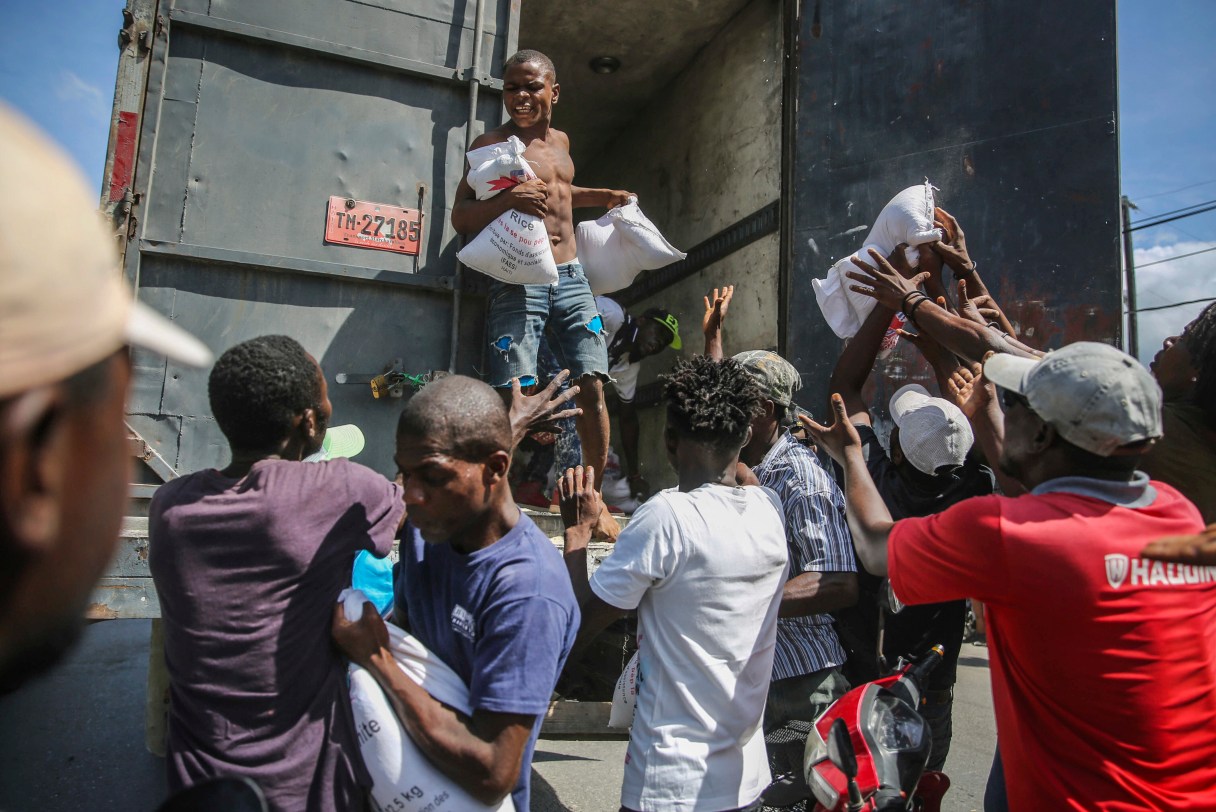
How much does Haiti have to suffer before we open our eyes to see that something must be done differently?
With rubble still on the ground from the 2010 earthquake, the country has struggled to rebuild. Here we are, over a decade later, and little has changed. UNICEF reports that malnutrition has increased by 61% during the pandemic. Before Saturday’s earthquake, the political and economic situation were quickly derailing into a humanitarian crisis. The recent assassination of President Moise drew the attention of the world and underscored the severity of the situation, but the reality is that gang violence has made life in Haiti extremely dangerous for the last 2 years.
Sadly, much of what we see today is the fallout from the international community’s response to the 2010 earthquake. The country was flooded with funding, but there was little to no investment in building the local infrastructure needed to manage that funding. Much of the “help” that was received ended as soon as the cameras left. Saturday’s 7.2 magnitude earthquake is sure to bring in massive amounts of short-term aid from big organizations, and let’s be clear, it is urgently needed. On the other side of that coin, this aid often diverts funding away from development organizations.
As a long-term development organization, the Children’s Nutrition Program of Haiti saw first-hand the damage that is done when we approach a disaster in this way. We witnessed organizations pull out too soon and aid failing to reach the people who need it most, compelling our small organization to provide relief in the wake of the 2010 earthquake.
In the years that have followed, political strife, economic crises and natural disasters have often made it impossible to maintain our focus on long-term development. People are dying, innocent children and women, and we have a moral imperative to help. If Haiti is to overcome the myriad challenges she faces today, we must not neglect sustainable development.