
Public education advocates urged Chattanooga City Council members Tuesday to be champions for local schools.
Some council members pledged support. Others explained what they thought could help improve public education enough to satisfy local workforce needs.
“We need leaders right now, and you all are leaders,” said Sarah Morgan, president of the Benwood Foundation. “We need champions to come around in the community and call for change.”
 Sarah Morgan
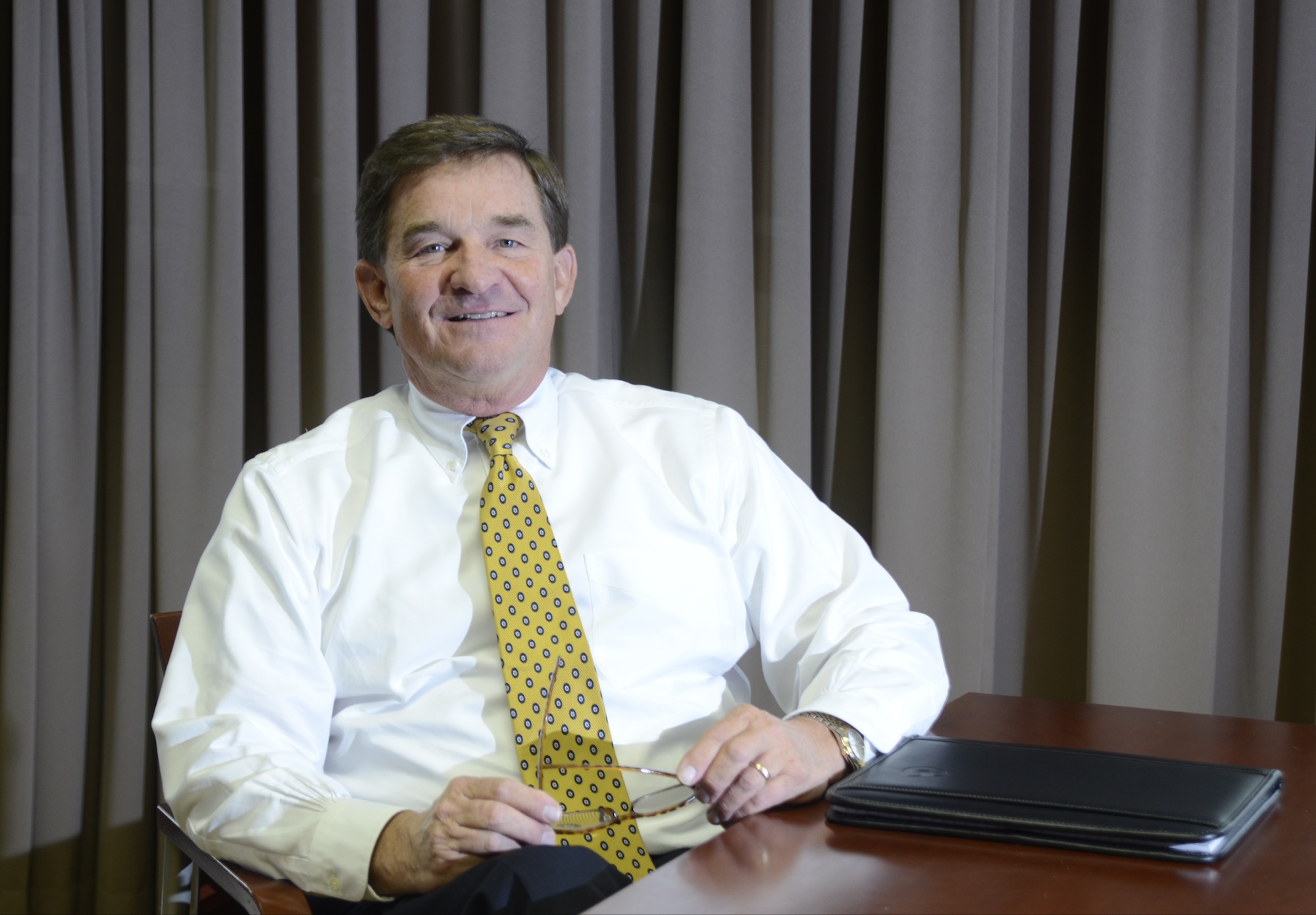 Bill Kilbride is the new Chattanooga Area Chamber of Commerce chief executive officer.
Morgan met with the council just days after the release of Chattanooga 2.0, a report that offers a sobering picture of local public school performance and its failure to produce graduates qualified to hold the jobs arriving in Hamilton County.
The report says 83 percent of the jobs coming to Chattanooga paying a livable wage of $35,000 will require some sort of post-high school education in the next couple of years. Now only 35 percent of local public high school graduates earn any postsecondary credentials within six years, making them unqualified for these jobs.
Those dire economic implications motivated the Benwood Foundation, the Chattanooga Area Chamber of Commerce, the Hamilton County Department of Education and the Public Education Foundation to draft this report in hopes of galvanizing a community effort to transform public schools and secure the region’s economic future.
Bill Kilbride, president and CEO of the Chattanooga Area Chamber of Commerce, said Chattanooga 2.0 is about economic development and preparing students for the well-paying jobs arriving in the county.
He said increasing the percentage of residents with any postsecondary credential or degree from 38 to 75 percent will take work, and the community needs to rally together to combat the problems stated in the report.
On Monday, Kilbride sent an email to the chamber’s membership encouraging them to get involved in the Chattanooga 2.0 movement.
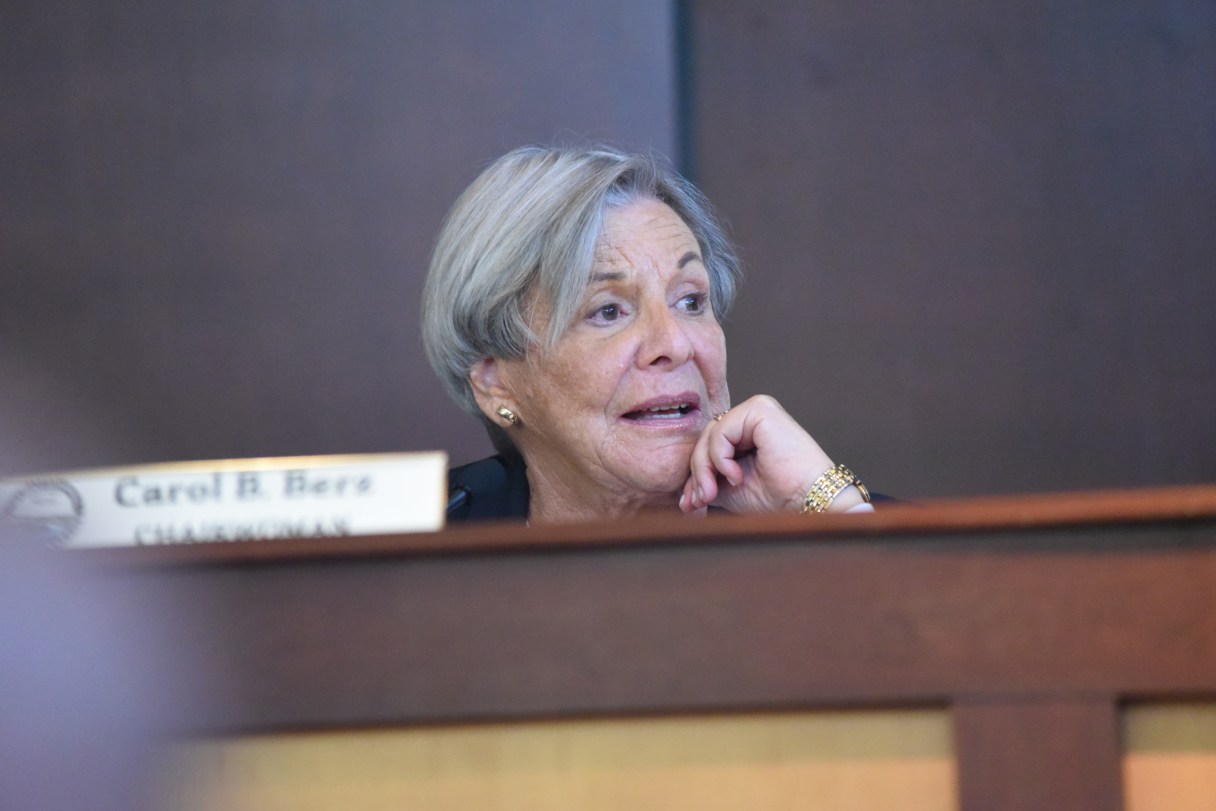
Carol Berz, chairwoman of the council, said the contents of the report are “not new news,” as headlines have highlighted the poor performance of local schools for years.
She said despite the City Council having no funding responsibility for public education, it is still its business to be involved in education since these “are our kids.”
“We may not have the legal power to do something, but we have other powers to do something,” she said. “Let us know how we can help.”
Councilman Moses Freeman and Yusuf Hakeem also voiced support of Chattanooga 2.0.
Freeman said the statistics in the report show a pattern, as only 40 percent of students arrive in kindergarten “ready to learn,” just 40 percent of students are reading on grade-level by third grade and less than 40 percent of graduates earn any education past high school.
“We have to look [at improving public education] on an individual level,” Freeman said. “We have to look at the child and not at a group of children if you work group-wide [Chattanooga 2.0] is going to fail.”
Other council members questioned the report’s findings and potential strategies moving forward.
Councilman Chip Henderson asked if a nationwide shift in public education to increase the focus on science and math was a factor in Hamilton County’s low literacy scores.
Councilman Larry Grohn wondered if later school start times and year-round schooling were being considered as a solutions.
Morgan encouraged the group to be involved in ensuring that the city has top-rated preschools, and she hopes the council will be supportive of the efforts taking place in schools, especially those in the city’s urban heart.
“Don’t shy away from asking, ‘How can we be involved in the [school] district, even though you don’t directly fund it?'” Morgan said. “And on the economic development side, think about how to help create a pathway from school to work.”
The Hamilton County Board of Education is expected to discuss Chattanooga 2.0 at its meeting Thursday night.
Contact staff writer Kendi Anderson at kendi.anderson@timesfreepress.com or 423-757-6592. Follow on twitter @kendi_and.