
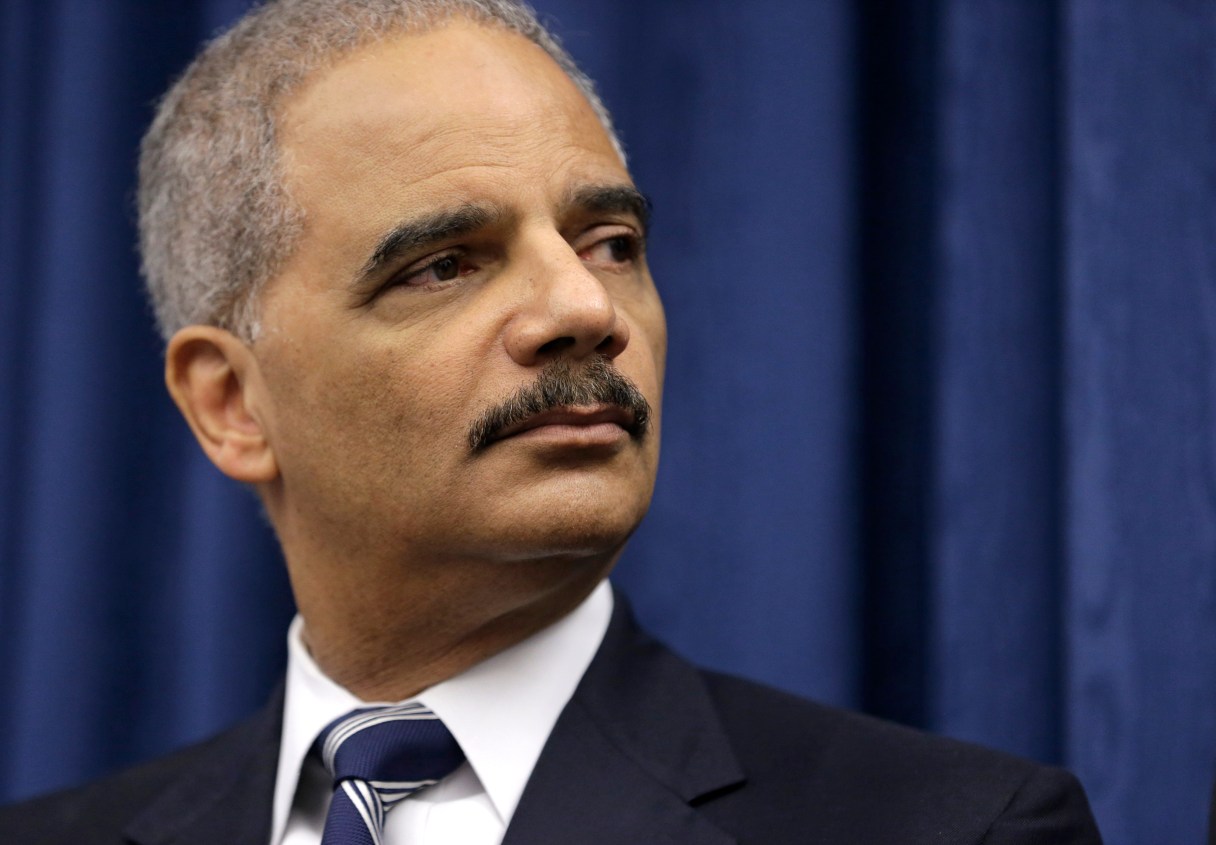
NASHVILLE — U.S. Attorney General Eric Holder’s move to curb federal involvement with state and local law enforcement in property seizure programs will have little immediate impact in Tennessee, state officials say, but it comes with the state’s civil forfeiture laws under increased scrutiny.
Holder announced Friday in Washington that federal agencies no longer will take possession of assets seized by local law enforcement agencies when no crime has been proven — with exceptions when the seized property includes illegal firearms, child pornography or other items deemed to have public safety implications.
Historically, relatively small amounts of such property have been seized. Most seized property has been in the form of cash, cars or other assets — typically when law enforcement officers said they suspected drug trafficking was involved.
The federal program in question, called “Equitable Sharing,” was developed years ago when most states didn’t have their own asset forfeiture laws and didn’t have legal authority to forfeit seized assets, The Associated Press reported.
But Holder said all states now have civil or criminal asset forfeiture laws and it’s no longer necessary for local law enforcement to turn over seized property to the federal government for sale and distribution of the resulting proceeds.
State Sen. Mike Bell, R-Riceville, who could not be reached for comment on Holder’s announcement, said in a recent interview that Tennessee’s civil forfeiture laws amount to a “strange creature” that has evolved under administrative oversight of the state’s District Attorneys General Conference but with few statutory restrictions and several reports of abuse by law enforcement agencies that get to keep money taken from those suspected of crimes, though never actually charged or convicted.
Bell, who is chairman of the Senate Government Operations Committee, said he anticipates the filing of legislation in the General Assembly to put Drug Task Force operations under more direct oversight of the General Assembly.
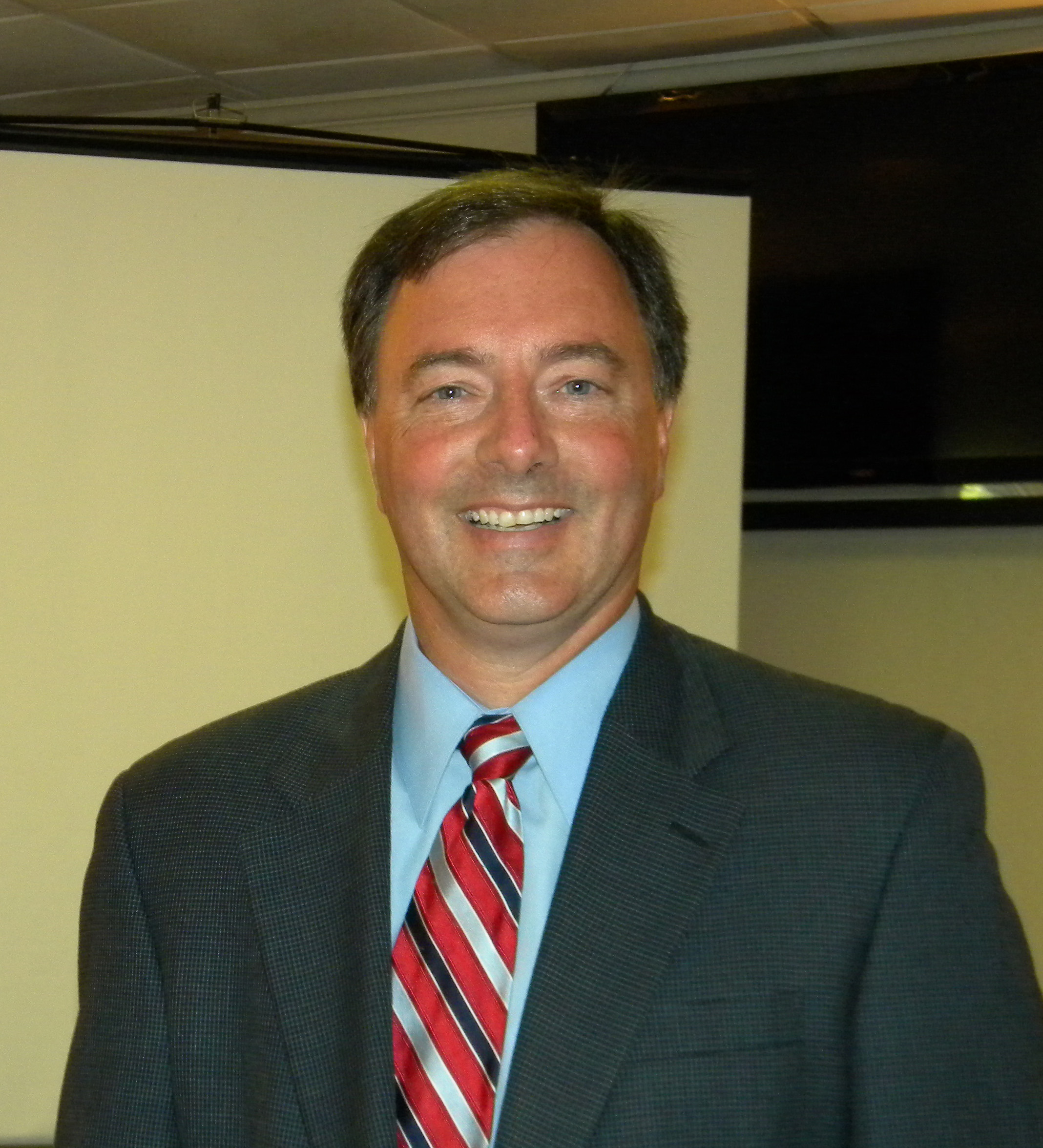 Sen. Mike Bell
R-Riceville
Wally Kirby, executive director of the Tennessee District Attorneys General Conference, said Friday that few Tennessee law enforcement agencies engage the federal government in forfeiture cases now and “I don’t think [Holder’s move] will have a lot of impact in Tennessee.”
Kirby also said he does not believe the current state law on forfeitures is being abused except in rare cases, some with reporting of “half-truths” in the media. In Tennessee, WTVF-TV of Nashville has run a series of reports on “policing for profit,” wherein law enforcement agencies seized large amounts of cash — and kept it for their own departmental use — without those who lost the money being charged with a crime.
Dalya Qualls, spokeswoman for the state Department of Safety, said she could not comment on the impact of Holder’s move pending “a closer look.”
In an email, she added, “Obviously, we are very concerned about the level of drug trafficking in and through our state, including the increase in trafficking related to heroin and crystal methamphetamine.”
District Attorney General Ray Crouch of Dickson, elected to the office in August, announced in November that the Drug Task Force under his supervision no longer will seize cash or other valuables from people not actually charged with possession of illegal drugs or the like.
Each of the state’s Drug Task Forces operates under the authority of the local district attorney general, all 31 of whom are, in turn, part of the District Attorneys General Conference.
Contact Tom Humphrey at 865-342-6340 or tomhumphrey3@aol.com.