
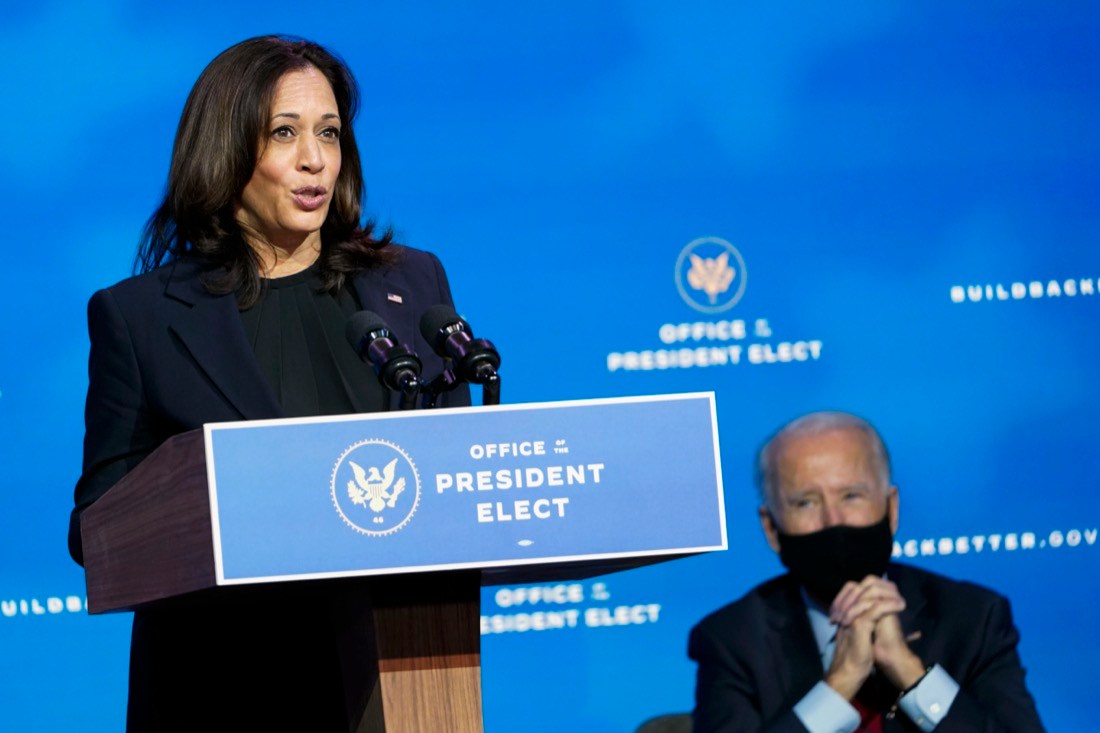
DETROIT (AP) – As a barrier-breaking year draws to a close, there’s one undeniable fact: the strength of Black political power.
Black voters were a critical part of the coalition that clinched President-elect Joe Biden’s White House bid. The nation will swear in its first Black woman and first person of South Asian descent as vice president, Sen. Kamala Harris, who herself may be a leading presidential candidate in four years. And as the global push for racial justice continues, Congress is set to welcome several new Black, progressive freshmen next year.
But while Black political and civil rights leaders see opportunity to work with a Biden-Harris administration to build upon the momentum created in 2020, they acknowledge the road ahead won’t be easy given the makeup of Washington and a narrowly divided Congress.
This was a year in which America experienced a racial awakening, fueled by longstanding racial inequities and structural racism laid bare by the coronavirus pandemic’s disparate impact on Black Americans. But Black leaders believe next year will be one that defines the trajectory of America and whether the nation has truly learned from the racism embedded deeply in its history.
“What I think we need to do now is support this new administration that seems to have leadership as a part of his agenda,” said House Majority Whip Jim Clyburn, a close ally of Biden. “We are where we are today because of a lack of leadership and I think that Joe Biden has demonstrated in his articulations that he’s prepared to provide the kind of leadership that we need.”