
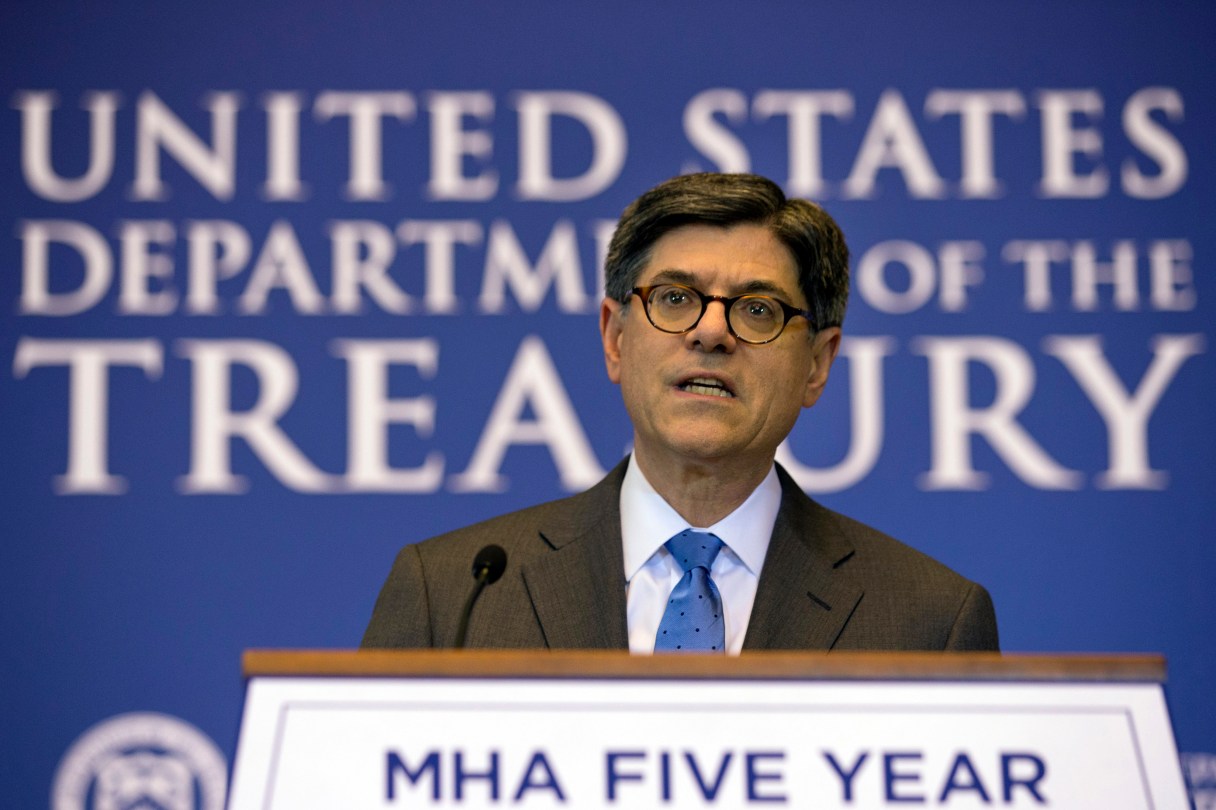
WASHINGTON (AP) – The federal government ran a bigger deficit in January, pushing the imbalance so far this budget year up 6.2 percent from the same period a year ago.
The Treasury Department said Wednesday the deficit for January stood at $17.5 billion compared to $10.3 billion a year ago. For the first four months of the budget year that began in October, the deficit widened to $194.2 billion from $182.8 billion during the same period last year.
Last year’s deficit benefited from a $24 billion special payment Freddie Mac made for the support it received during the financial crisis. The Congressional Budget Office forecasts a deficit of $468 billion for the full 2015 budget year, 3.1 percent lower than in 2014.
For the current budget year, government revenues total $1.05 trillion, an increase of 8.7 percent from the same period a year ago. Government spending totals $1.24 trillion, up 8.3 percent over last year.
The deficit in 2014 narrowed to $483.3 billion from $680.2 billion in 2013. Before that, the country posted four straight years of deficits topping $1 trillion as the government grappled with revenue losses from the Great Recession and increased spending in such areas as unemployment benefits and food stamps.