
BERLIN (AP) – U.S. Col. Roland Lajoie had just arrived home in West Berlin on a cool March day in 1985 when he got the call from his headquarters: the Soviets were demanding to see him immediately in East Germany
As chief of the U.S. Military Liaison Mission, Lajoie regularly sent intelligence-gathering patrols into communist East Germany and confrontations were not unusual. But he’d never gotten a call to respond personally to an incident. He remembered worrying that his men may have run over an East German civilian.
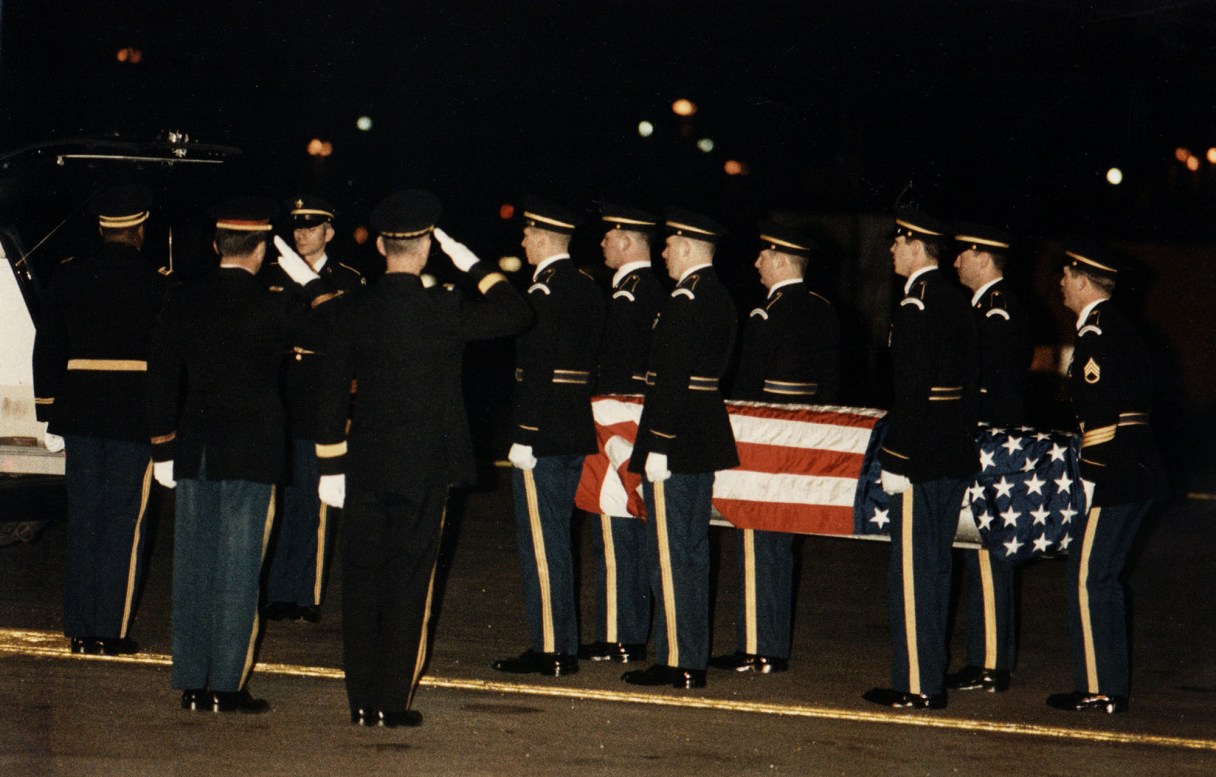
What he actually faced had even deeper political ramifications: A Soviet sentry had shot and killed unarmed U.S. Maj. Arthur Nicholson, letting him bleed out where he fell on the tank firing range he had been reconnoitering.
“Everyone knew it was kind of dangerous, but it was a big shock when Nicholson was killed,” Lajoie said.
Nicholson’s death 30 years ago Tuesday came only two weeks after Mikhail Gorbachev became Soviet leader. It was his first major crisis, threatening to pull Washington and Moscow back into the depths of the Cold War.