
Thursday, November 12, 2026Nov 12

Mother uncovers lasting impact of baby son’s organ donation

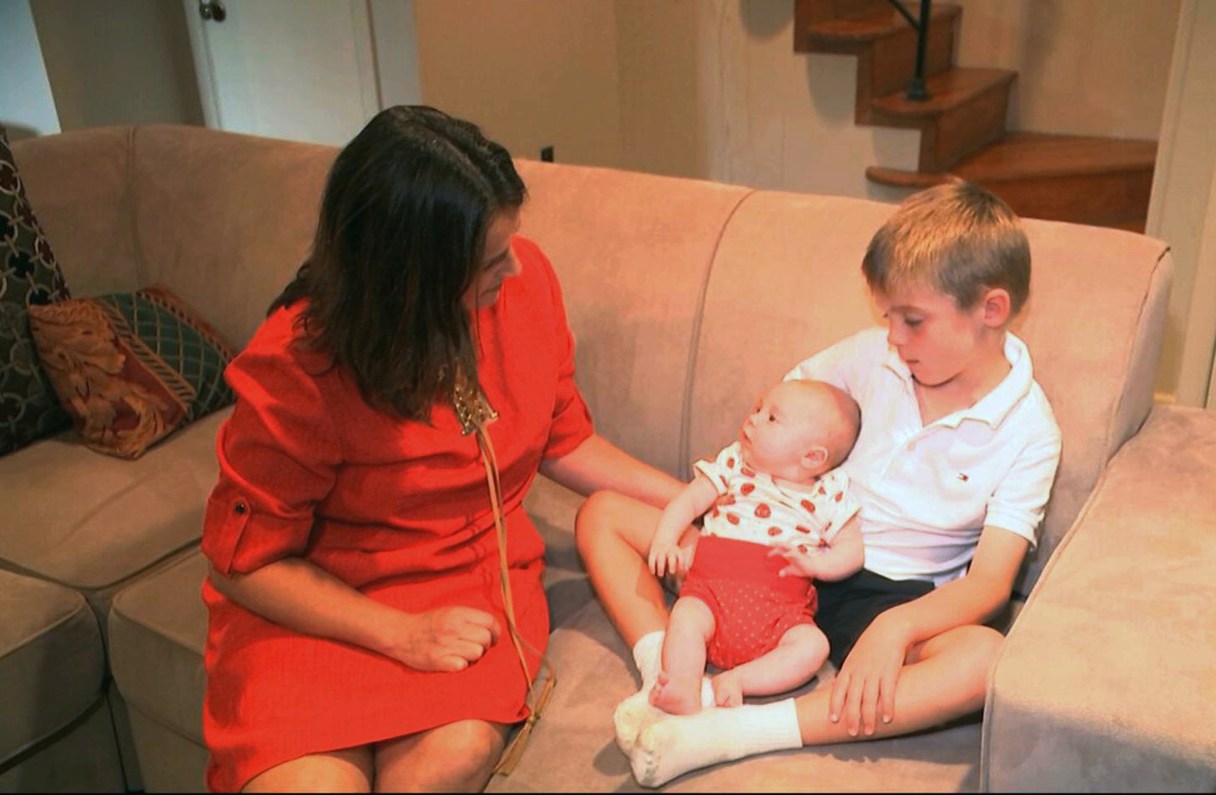
In this frame grab from video, taken Sept. 14, 2016, Sarah Gray with her son Callum, 6, and infant daughter Jocelyn in their Washington home. Callum’s identical twin Thomas died of a birth defect when he was just 6 days old, and the family donated Thomas’ eyes, liver and umbilical cord blood for medical research. Now Gray has written a book about her unusual journey to find out if that donation really made a difference, revealing a side of science laymen seldom glimpse. (AP Photo/Rick Gentilo)
In this frame grab from video, taken Sept. 14, 2016, Sarah Gray with her son Callum, 6, and infant daughter Jocelyn in their Washington home. Callum’s identical twin Thomas died of a birth defect when he was just 6 days old, and the family donated Thomas’ eyes, liver and umbilical cord blood for medical research. Now Gray has written a book about her unusual journey to find out if that donation really made a difference, revealing a side of science laymen seldom glimpse. (AP Photo/Rick Gentilo) In this frame grab from video, taken Sept. 14, 2016, Sarah Gray with her son Callum, 6, and infant daughter Jocelyn in their Washington home. Callum’s identical twin Thomas died of a birth defect when he was just 6 days old, and the family donated Thomas’ eyes, liver and umbilical cord blood for medical research. Now Gray has written a book about her unusual journey to find out if that donation really made a difference, revealing a side of science laymen seldom glimpse. (AP Photo/Rick Gentilo)

WASHINGTON (AP) – An ultrasound showed one of Sarah Gray’s unborn twins was missing part of his brain, a fatal birth defect. His brother was born healthy but Thomas lived just six days. Latching onto hope for something positive to come from heartache, Gray donated some of Thomas’ tissue for scientific research – his eyes, his liver, his umbilical cord blood.

Only no one could tell the Washington mother if that precious donation really made a difference. So Gray embarked on an unusual journey to find out, revealing a side of science laymen seldom glimpse.

“Infant eyes are like gold,” a Harvard scientist told her.

“I don’t think people understand how valuable these donations are,” said Gray, who hadn’t either until her years-long quest brought her face-to-face with startled scientists. They had never met a relative of the donors so crucial to their work either.

Families often find comfort in learning how many lives were saved if they donated a loved one’s organs for transplant. But donating a body for research gets less attention – there are no headline-making “saves.” Yet critical medical research in labs around the country depends on scientists’ ability to work with human cells and organs, so they can study both normal development and how disease does its dirty work.