
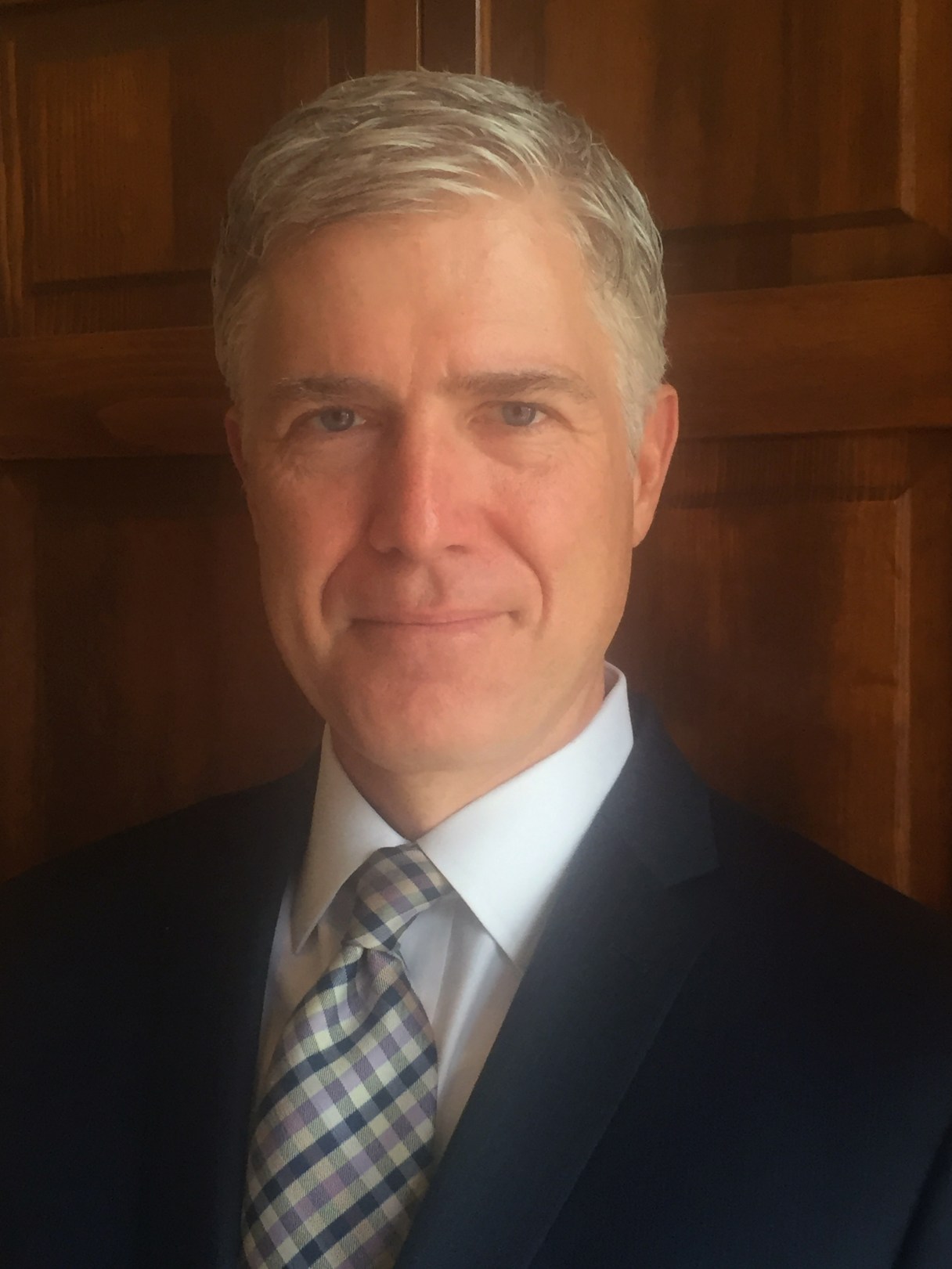
Neil Gorsuch, named Tuesday as President Donald Trump’s nominee for the U.S. Supreme Court, is known for his clear, colloquial writing, advocacy for court review of government regulations, defense of religious freedom and skepticism toward law enforcement.
Gorsuch is a Colorado native who earned his bachelor’s degree from Columbia University in three years, then earned a law degree from Harvard. He clerked for Supreme Court Justices Byron White, a fellow Coloradan, and Anthony Kennedy before earning a philosophy degree at Oxford University and working for a prominent Washington, D.C., law firm.
He served for two years in President George W. Bush’s Justice Department before Bush appointed him to a seat on the Denver-based 10th Circuit Court of Appeals in 2006.
He is the son of Anne Gorsuch, who served as EPA administrator during the Reagan administration.
Gorsuch has contended that courts give too much deference to government agencies’ interpretations of statutes, a deference that stems from a Supreme Court ruling in a 1984 case. He sided with two groups that successfully challenged the Obama administration’s requirements that employers provide health insurance that includes contraception.