
Tuesday, November 10, 2026Nov 10

A look at what’s next for gay marriage in US

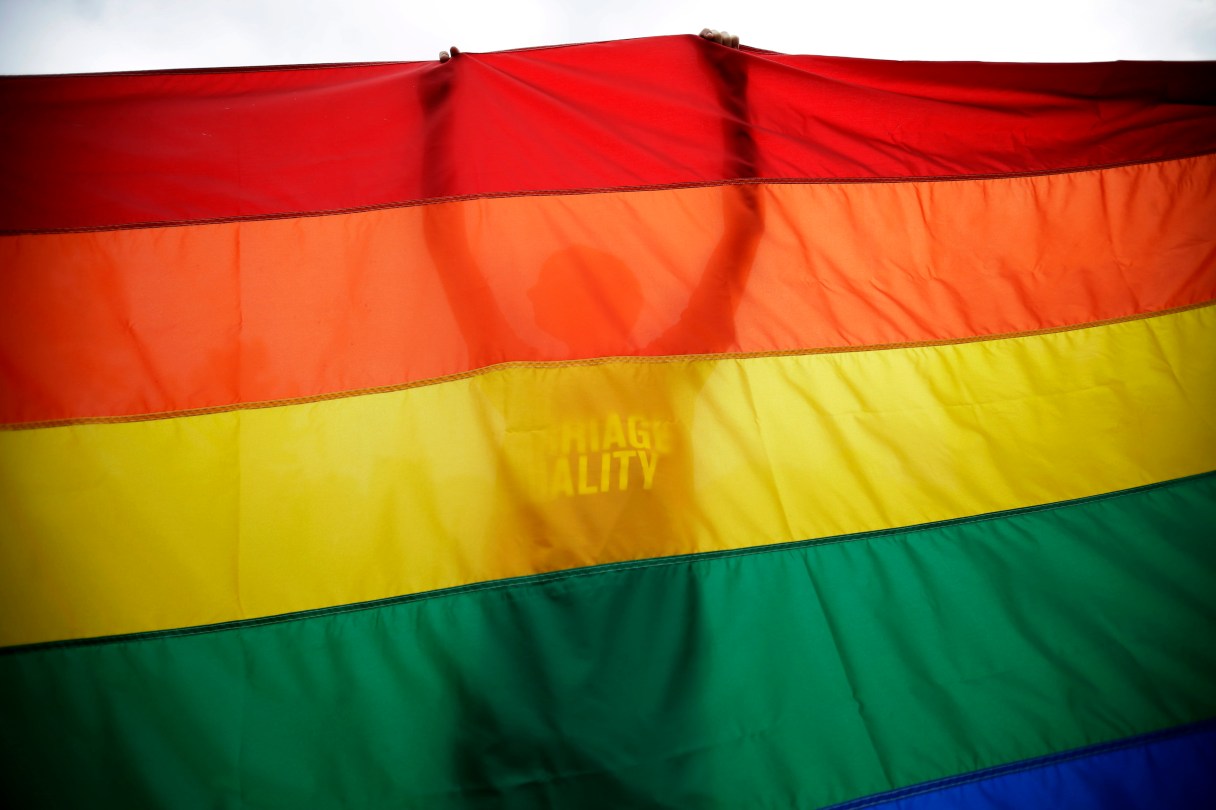
FILE - In this June 26, 2013, file photo, Sean Lewrence, of Philadelphia, holds up a flag during a rally for gay marriage, on Independence Mall in Philadelphia.  A federal appeals court on Thursday, Nov. 6. 2014, upheld anti-gay marriage laws in four states, breaking ranks with other courts that have considered the issue and setting up the prospect of Supreme Court review. (AP Photo/Matt Slocum, File)
FILE - In this June 26, 2013, file photo, Sean Lewrence, of Philadelphia, holds up a flag during a rally for gay marriage, on Independence Mall in Philadelphia. A federal appeals court on Thursday, Nov. 6. 2014, upheld anti-gay marriage laws in four states, breaking ranks with other courts that have considered the issue and setting up the prospect of Supreme Court review. (AP Photo/Matt Slocum, File) FILE - In this June 26, 2013, file photo, Sean Lewrence, of Philadelphia, holds up a flag during a rally for gay marriage, on Independence Mall in Philadelphia. A federal appeals court on Thursday, Nov. 6. 2014, upheld anti-gay marriage laws in four states, breaking ranks with other courts that have considered the issue and setting up the prospect of Supreme Court review. (AP Photo/Matt Slocum, File)

WASHINGTON (AP) – A decision by a panel of federal judges to uphold anti-gay marriage laws in four states has created a split among the nation’s appeals courts and made it very likely that the Supreme Court will review the same-sex marriage issue.

But it is unclear whether the matter will reach the justices in time for a decision in June.

Lawyers for same-sex couples in Kentucky, Michigan, Ohio and Tennessee said they plan to ask the high court to reverse Thursday’s 2-1 ruling from a panel of the 6th U.S. Circuit Court of Appeals in Cincinnati.

That court found that nothing in the Constitution gives same-sex couples a right to marry.

It was the first time an appellate court ruled in favor of state bans since a Supreme Court decision struck part of the federal anti-gay marriage law. Most courts have taken that decision to mean states cannot forbid same-sex unions.