
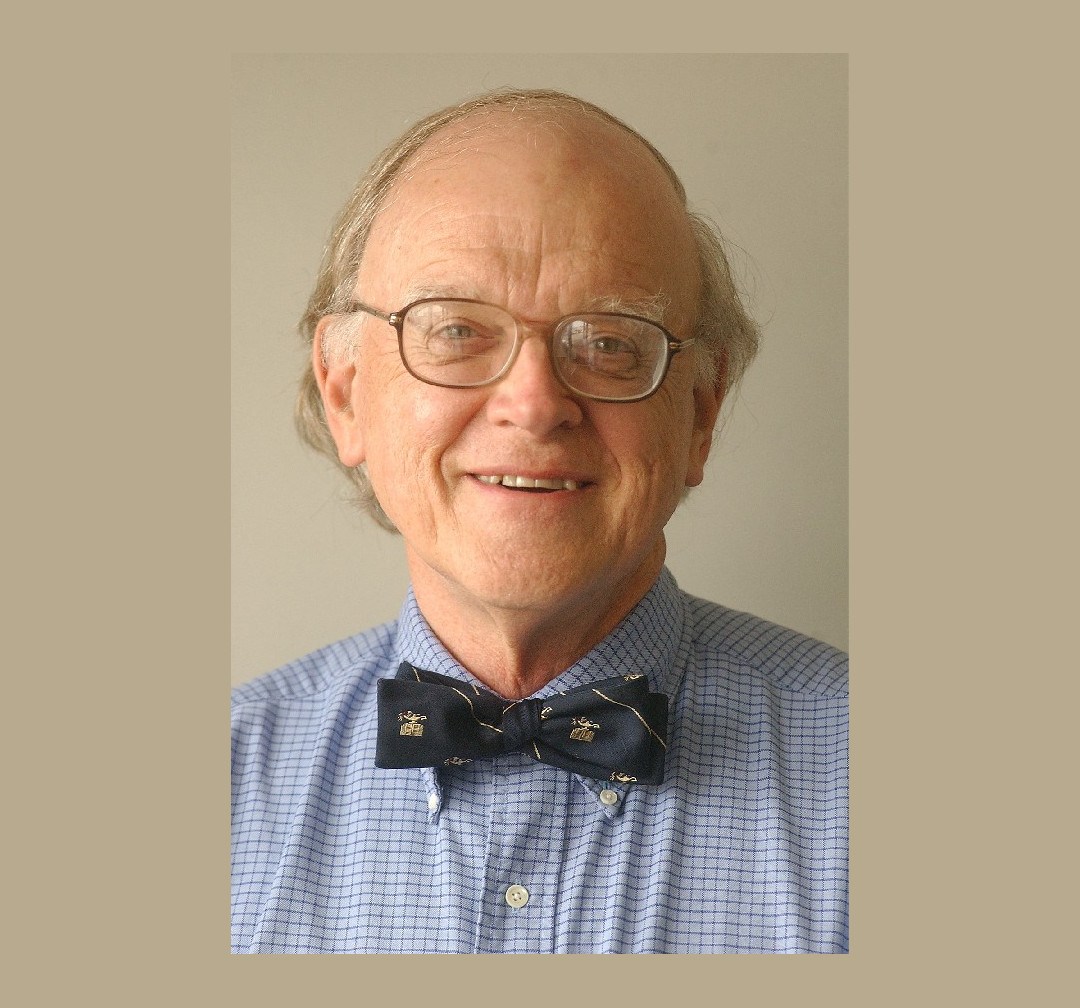
 Dr. Clif Cleaveland
The traditional doctor-patient relationship is unraveling in the eyes of several readers. Care for some resembles an assembly line with fewer personal interactions with nurses and physicians. Providers seem distracted by computers into which they enter symptoms as they are described.
Patients and providers alike are aware of burgeoning administrative work that encroaches upon time that could be devoted to clinical care. Among older persons there is an abiding nostalgia for a family doctor who had the capacity to diagnose and solve many medical problems in a personal manner.
A growing shortage of primary-care providers will worsen this situation. High costs of medical education lead to hefty loads of debt for graduates. Because primary-care disciplines are reimbursed at substantially lower rates than other specialties, based upon procedures, young doctors increasingly choose paths to higher paying sub-specialties of medicine and surgery. Mid-career and older primary-care physicians must see more patients to cover rising costs of running their practices. Burnout takes a steady toll.
Because so many clinical practices function independently of one another in a fee-for-service mode, efficiency suffers and costs rise. Appointments, exchanges of information, billing and payment become bogged down as stacks of papers are shuffled.
But an encouraging new initiative is under way that could enhance personal care while improving its quality and efficiency. Projects already in place further demonstrate significant reductions in costs.