
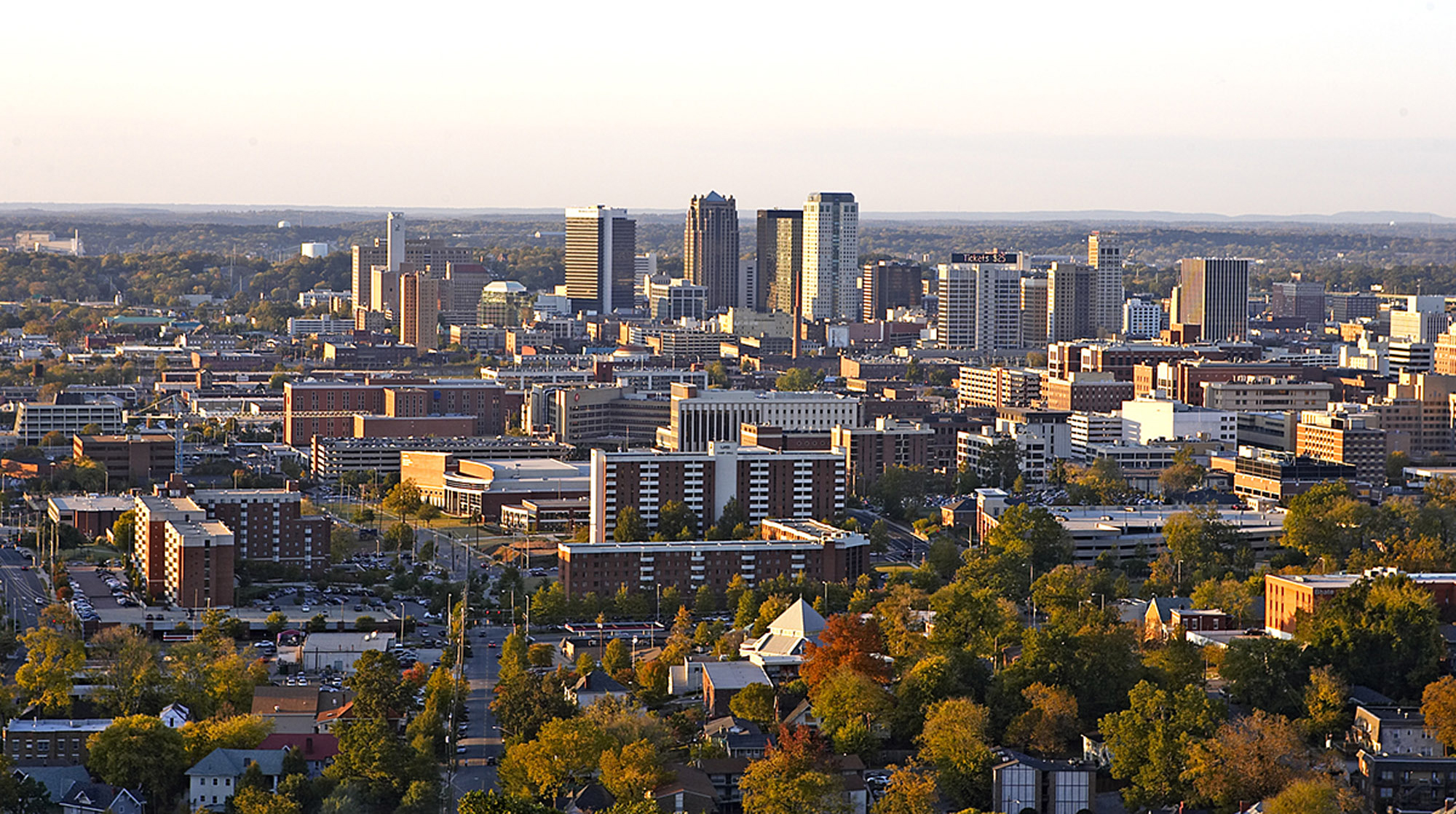
 Birmingham, Alabama
It must be humbling to residents of the capital of Pennsylvania — Harrisburg — that their proud city may have to seek bankruptcy protection.
Harrisburg has spent too much money for too long and now faces awful consequences.
Part of the city’s woes stem from a ridiculously costly trash incinerator renovation. That effort saddled Harrisburg — population 50,000 — with about $300 million in debt.
Now a state official is sorting through the financial wreckage and making recommendations to rescue the city. Those recommendations include changes in contracts with unionized city workers, but that is iffy, since the unions would have to agree to the changes. Tax increases are in prospect, too, and if the proposed measures aren’t adequate, Harrisburg may file for bankruptcy.
Over in Alabama, meanwhile, Jefferson County — where Birmingham is located — filed for bankruptcy in 2011. It was the biggest municipal bankruptcy in U.S. history.
But even if you aren’t concerned about Harrisburg, Pa., or Jefferson County, Ala., you should care about our nation’s finances as a whole.
While the national debt — more than $15.3 trillion — is far larger than the debt of any municipality, the spending that led to crippling debt in cities and counties is in principle the same problem that threatens our entire economy. Entitlement programs such as Medicare are consuming ever-larger parts of the U.S. budget. Medicare itself is projected to go bankrupt a few years from now, and Social Security will meet the same fate if it is not reformed.
But the political will to make changes doesn’t seem to exist. If you listen carefully when lawmakers in Washington propose spending “cuts,” often what they are really saying is that they would cut only the rate of growth in spending. That’s no solution when our nation is racking up trillion-dollar-plus annual deficits.
We’re hitting the spending accelerator when we need to be stepping on the brakes, and somehow we think we will escape consequences for that irresponsibility.
We are kidding ourselves.