
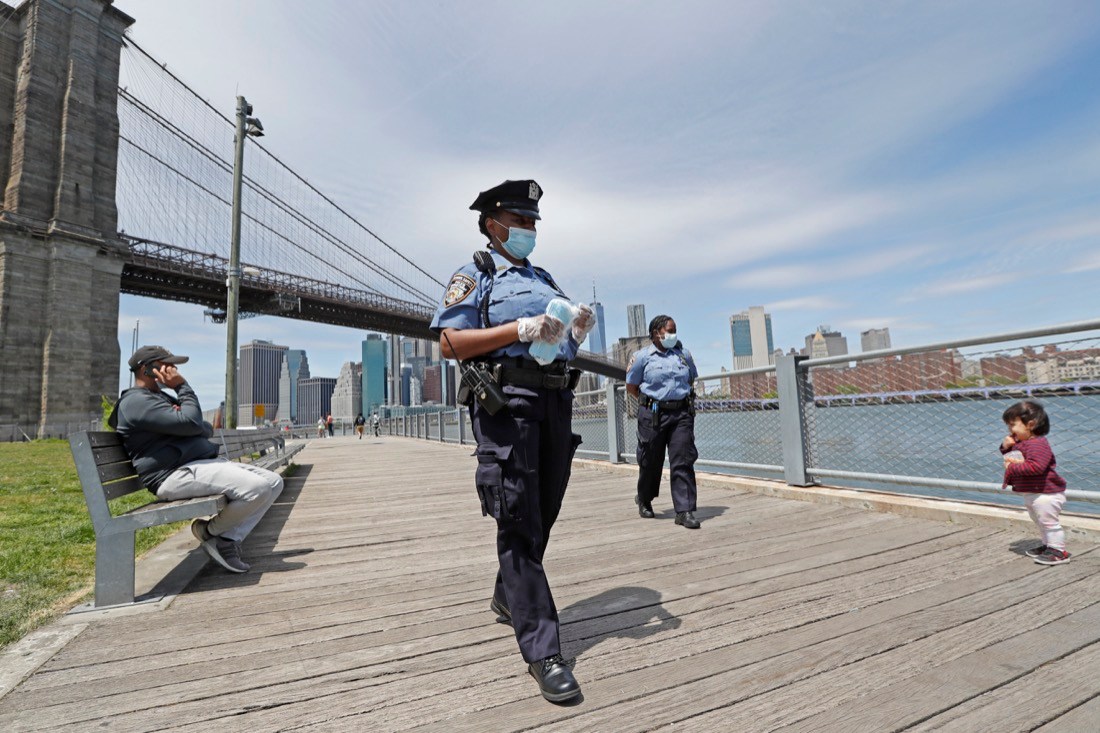
NEW YORK (AP) – On a weekend when many pandemic-weary people emerged from weeks of lockdown, leaders in the U.S. and Europe weighed the risks and rewards of lifting COVID-19 restrictions knowing that a vaccine could take years to develop.
In separate stark warnings, two major European leaders bluntly told their citizens that the world needs to adapt to living with the coronavirus and cannot wait to be saved by a vaccine.
“We are confronting this risk, and we need to accept it, otherwise we would never be able to relaunch,” Italian Prime Minister Giuseppe Conte said, heeding a push by regional leaders to allow restaurants, bars and beach facilities to open Monday, weeks ahead of an earlier timetable.
In the U.S., images of crowded bars, beaches and boardwalks suggested some weren’t heeding warnings to safely enjoy reopened spaces while limiting the risks of spreading infection.
A member of President Donald Trump’s cabinet, Health and Human Services Secretary Alex Azar, wouldn’t second-guess state and local officials as they decide whether to let restaurants and other businesses reopen. He said the lockdown measures also carry “serious health consequences,” including the risk of suicide, delayed cardiac procedures and cancer screenings.