
Saturday, November 7, 2026Nov 7

This story is free to read.

Forget April showers, this May was wettest in US records

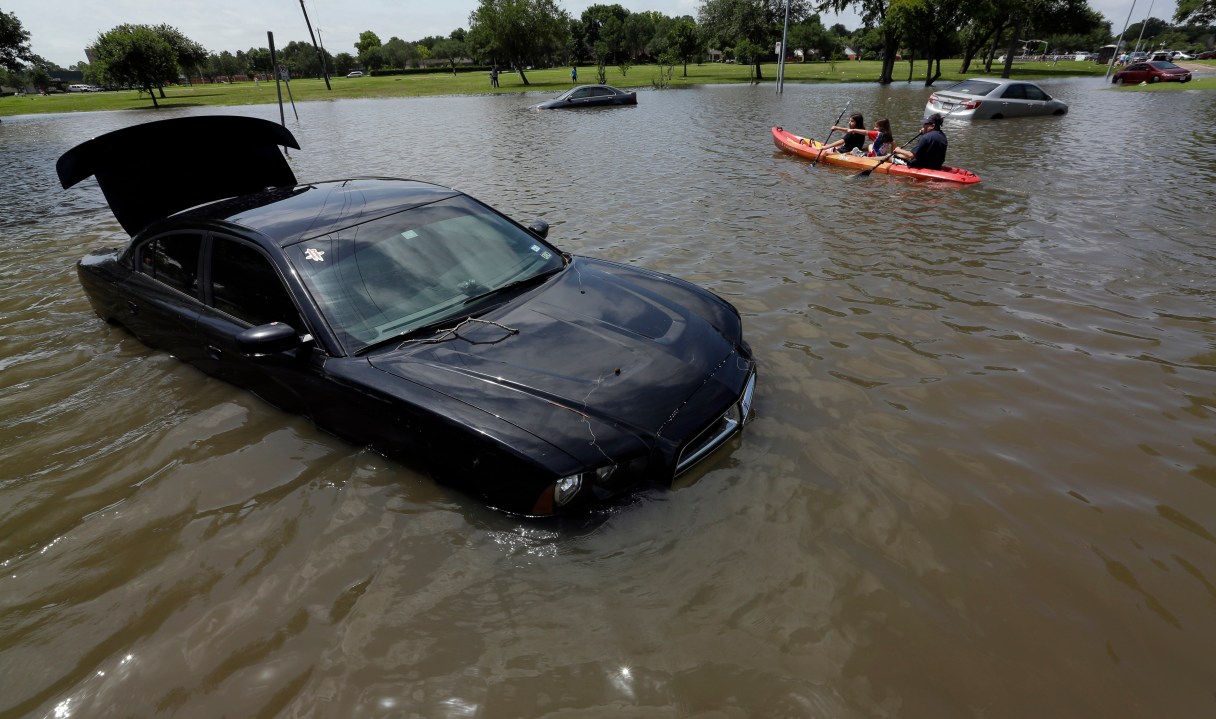
FILE - In this May 26, 2015 file photo a  boat is paddled down a flooded street in Houston. Feeling soggy? Federal officials calculate that last month was the wettest on record for the contiguous U.S. On average 4.36 inches of rain and snow fell over the Lower 48 in May, sloshing past October 2009 which had been the wettest month in U.S. records with 4.29 inches. Records go back to 1895. National Oceanic and Atmospheric Administration (NOAA)  climate scientist Jake Crouch calculated that comes to more than 200 trillion gallons of water in May. (AP Photo/David J. Phillip, File)
FILE - In this May 26, 2015 file photo a boat is paddled down a flooded street in Houston. Feeling soggy? Federal officials calculate that last month was the wettest on record for the contiguous U.S. On average 4.36 inches of rain and snow fell over the Lower 48 in May, sloshing past October 2009 which had been the wettest month in U.S. records with 4.29 inches. Records go back to 1895. National Oceanic and Atmospheric Administration (NOAA) climate scientist Jake Crouch calculated that comes to more than 200 trillion gallons of water in May. (AP Photo/David J. Phillip, File) FILE - In this May 26, 2015 file photo a boat is paddled down a flooded street in Houston. Feeling soggy? Federal officials calculate that last month was the wettest on record for the contiguous U.S. On average 4.36 inches of rain and snow fell over the Lower 48 in May, sloshing past October 2009 which had been the wettest month in U.S. records with 4.29 inches. Records go back to 1895. National Oceanic and Atmospheric Administration (NOAA) climate scientist Jake Crouch calculated that comes to more than 200 trillion gallons of water in May. (AP Photo/David J. Phillip, File)

WASHINGTON (AP) – Feeling soggy? Federal officials calculate that last month was the wettest on record for the contiguous United States.

On average 4.36 inches of rain and snow fell over the Lower 48 in May, sloshing past October 2009, which had been the previous record-holder with 4.29 inches. Records go back to 1895.

National Oceanic and Atmospheric Administration climate scientist Jake Crouch calculated that comes to more than 200 trillion gallons of water in May.

Crouch said the record was triggered by a stalled pattern of storms that dumped massive amounts of rain in the central U.S., especially in Texas and Oklahoma, which had their rainiest months. Still, parts of the Northeast were unusually dry.

Last month was 1.45 inches wetter than 20th-century average for May.