
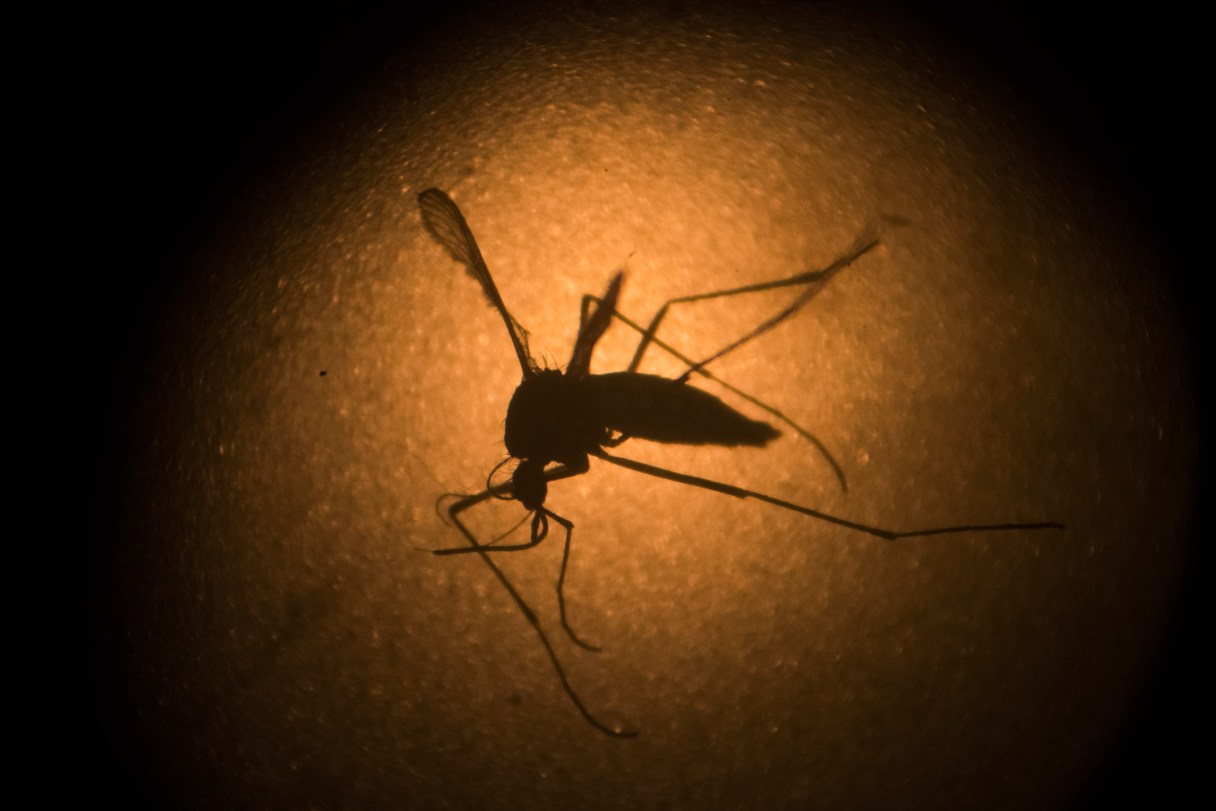
WASHINGTON (AP) – Forget mosquito bites. Volunteers let researchers inject them with the dengue virus in the name of science – and an experimental vaccine protected them. Next up, scientists plan to use this same strategy against dengue’s cousin, the Zika virus.
It’s called a human challenge, a little-known but increasing type of research where healthy people agree to be deliberately infected in the quest for new or improved vaccines against a variety of health threats, from flu to malaria. Wednesday’s dengue study offered more evidence that what sounds bizarre not only can be done safely, it can offer important clues for how well a shot might work.
“What we’re trying to do is accelerate vaccine research,” said senior author Dr. Anna Durbin of Johns Hopkins University’s school of public health. It may be the best way “to know if you have a stinker before you try to test it in thousands or tens of thousands of people.”
The dengue candidate proved highly promising, researchers reported in the journal Science Translational Medicine.
Dengue fever may have slipped from the headlines as the related Zika virus sweeps through Latin America, but every year mosquito-borne dengue causes devastating outbreaks throughout the tropics and subtropics. While most people survive dengue with few or even no symptoms, more than 2 million a year suffer serious illness and about 25,000 die.