
Monday, November 2, 2026Nov 2

This story is free to read.

Nixon papers shed light on renegade diplomacy

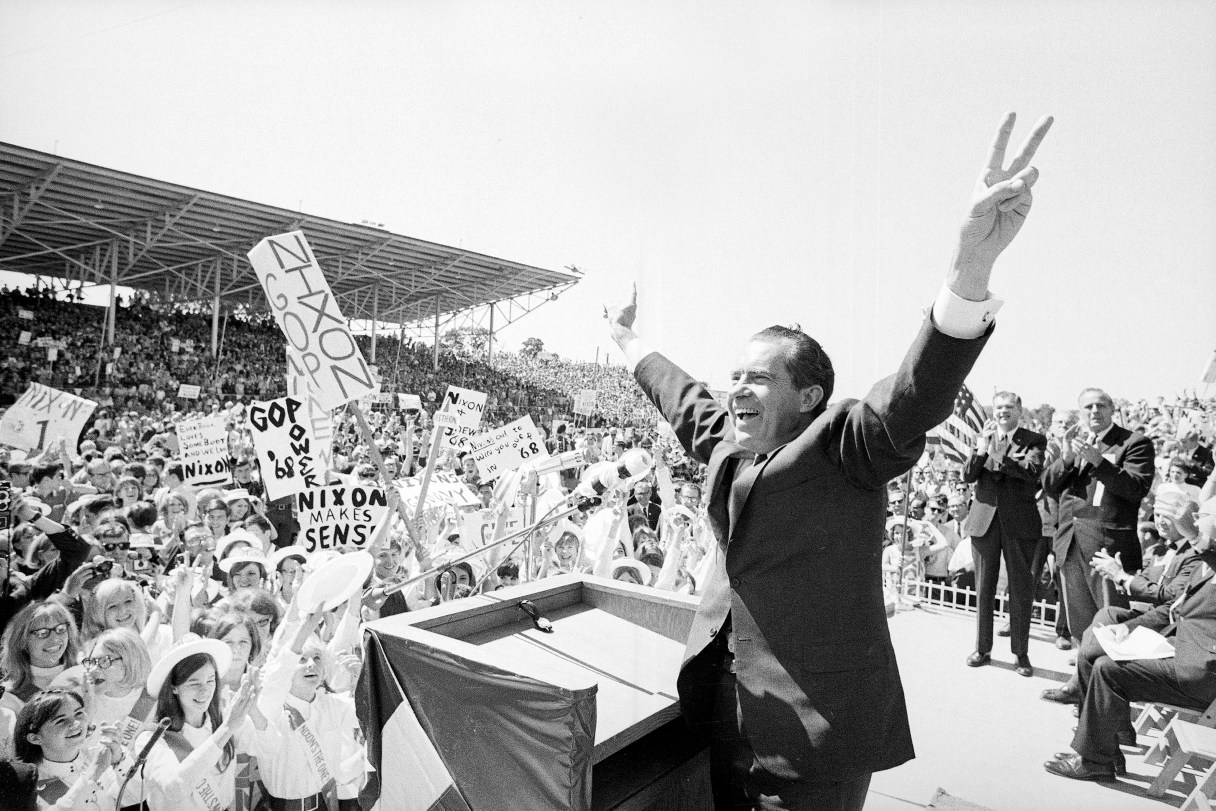
FILE - In this Sept. 19, 1968, file photo, then-presidential candidate Richard Nixon flashes the victory sign as he acknowledges cheers from the crowd, at the fairgrounds of Springfield, Mo. There’s little doubt Nixon was up to dirty tricks before his presidency ever began. Documents released by the Nixon Presidential Library add weight to existing evidence that his 1968 presidential campaign tried to sabotage Vietnam peace talks before the U.S. election.  (AP Photo/File)
FILE - In this Sept. 19, 1968, file photo, then-presidential candidate Richard Nixon flashes the victory sign as he acknowledges cheers from the crowd, at the fairgrounds of Springfield, Mo. There’s little doubt Nixon was up to dirty tricks before his presidency ever began. Documents released by the Nixon Presidential Library add weight to existing evidence that his 1968 presidential campaign tried to sabotage Vietnam peace talks before the U.S. election. (AP Photo/File) FILE - In this Sept. 19, 1968, file photo, then-presidential candidate Richard Nixon flashes the victory sign as he acknowledges cheers from the crowd, at the fairgrounds of Springfield, Mo. There’s little doubt Nixon was up to dirty tricks before his presidency ever began. Documents released by the Nixon Presidential Library add weight to existing evidence that his 1968 presidential campaign tried to sabotage Vietnam peace talks before the U.S. election. (AP Photo/File)

WASHINGTON (AP) – There’s little doubt Richard Nixon was up to dirty tricks before his presidency ever began.

Documents released by the Nixon Presidential Library add weight to existing evidence that his 1968 presidential campaign tried to sabotage Vietnam peace talks before the U.S. election.

The apparent purpose: to deny his Democratic challenger, Hubert Humphrey, an advantage in the tight race for the White House.

The documents out Wednesday contain a memo written to Nixon by his aide Tom Charles Huston in 1970, looking back at the so-called Chennault Affair, named for Republican activist Anna Chennault. She is thought to have been a secret emissary from the Nixon campaign who urged South Vietnam to resist peace talks until Nixon won the election and could broker a better deal.