
Saturday, November 7, 2026Nov 7

This story is free to read.

Searing memory turns Tunisia survivors fearful, defiant

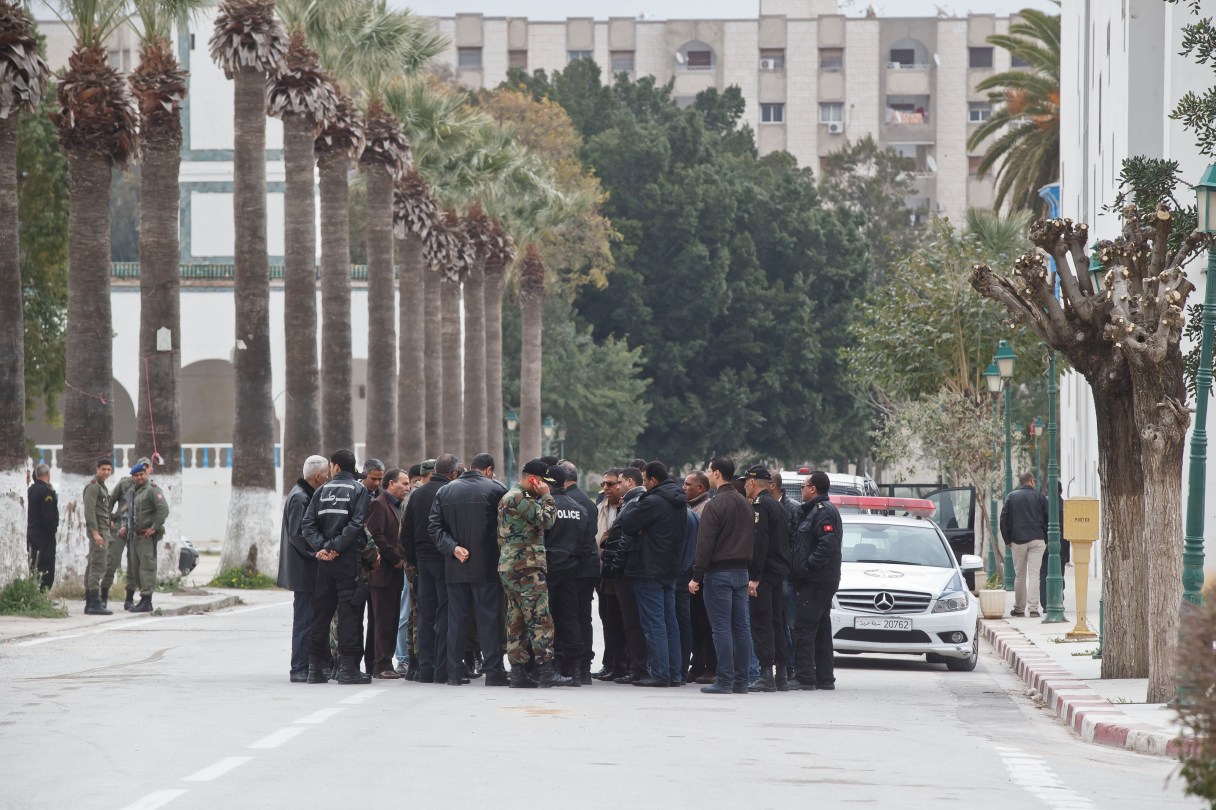
Tunisian police and defense officials gather outside the National Bardo museum in Tunis, Tunisia, Saturday March 21, 2015. The two extremist gunmen who killed 21 people at a museum in Tunis trained in neighboring Libya before caring out the deadly attack, a top Tunisian security official said. (AP Photo/Michel Euler)
Tunisian police and defense officials gather outside the National Bardo museum in Tunis, Tunisia, Saturday March 21, 2015. The two extremist gunmen who killed 21 people at a museum in Tunis trained in neighboring Libya before caring out the deadly attack, a top Tunisian security official said. (AP Photo/Michel Euler) Tunisian police and defense officials gather outside the National Bardo museum in Tunis, Tunisia, Saturday March 21, 2015. The two extremist gunmen who killed 21 people at a museum in Tunis trained in neighboring Libya before caring out the deadly attack, a top Tunisian security official said. (AP Photo/Michel Euler)

TUNIS, Tunisia (AP) – Those who survived the attack on Tunisia’s Bardo museum are facing lingering effects of the violence they say has been seared into their memories.

Josep Lluis Cusido, the mayor of a small town in Spain, said Saturday he and his wife find it hard to sleep and are suffering headaches. Cusido remembers in particular his helplessness as a woman nearby was struck down by bullets, and the sparks as ammunition ricocheted off the stairs.

Two Americans, who were separately visiting children working as teachers in Tunis, recall the uncertain feeling of not knowing who was shooting and who was there to save them. But Carol Calcagni, of Hilton Head, South Carolina, says the attack “could have happened in any country” and that her affinity for Tunisia is stronger than ever.