
Tuesday, November 10, 2026Nov 10

Facebook’s Zuckerberg at crossroads in connecting the globe

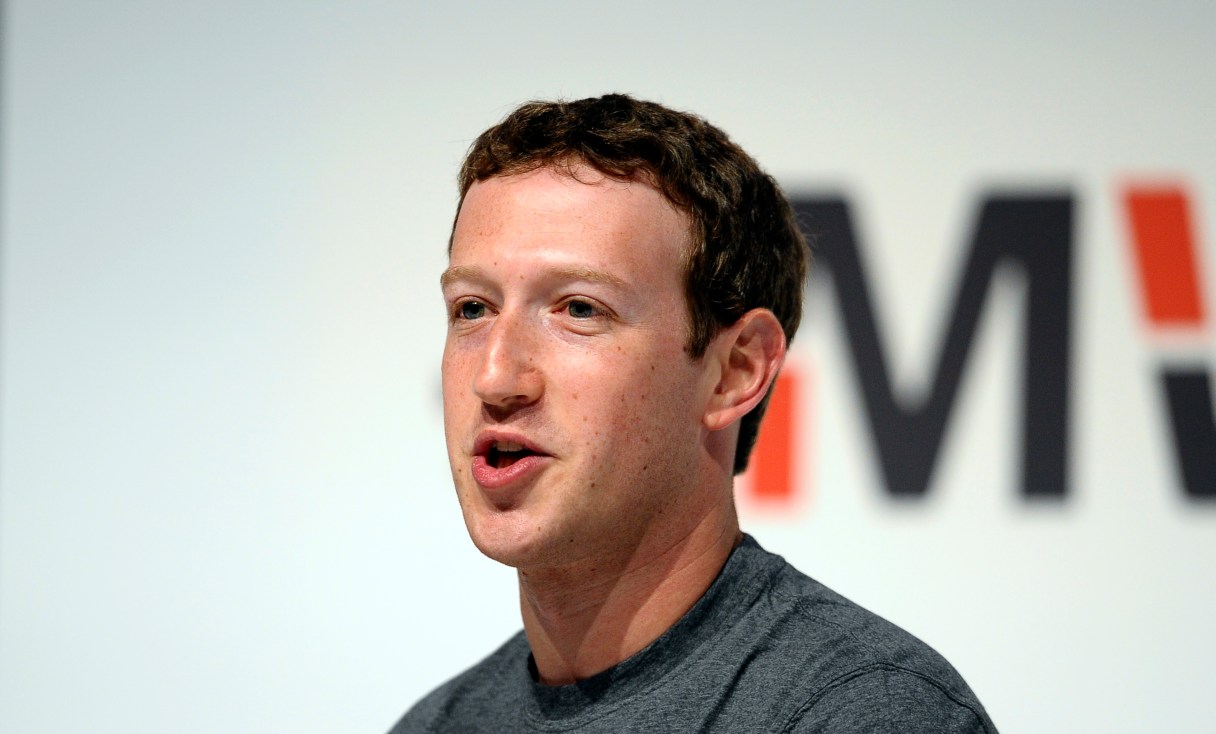
FILE - In this March 2, 2015 file photo, Facebook CEO Mark Zuckerberg speaks during a conference at the Mobile World Congress, the world's largest mobile phone trade show in Barcelona, Spain. Zuckerberg likes to boast that his 3-year-old effort to connect the developing world to the Internet has reached millions of people in some of the world’s poorest nations. But a central element of his Internet.org campaign was controversial even before it was shut down in a key market this month. Indian regulators banned one of the pillars of the campaign, a service known as Free Basics, because it provided access only to certain pre-approved services - including Facebook - rather than the full Internet.  (AP Photo/Manu Fernandez, File)
FILE - In this March 2, 2015 file photo, Facebook CEO Mark Zuckerberg speaks during a conference at the Mobile World Congress, the world's largest mobile phone trade show in Barcelona, Spain. Zuckerberg likes to boast that his 3-year-old effort to connect the developing world to the Internet has reached millions of people in some of the world’s poorest nations. But a central element of his Internet.org campaign was controversial even before it was shut down in a key market this month. Indian regulators banned one of the pillars of the campaign, a service known as Free Basics, because it provided access only to certain pre-approved services - including Facebook - rather than the full Internet. (AP Photo/Manu Fernandez, File) FILE - In this March 2, 2015 file photo, Facebook CEO Mark Zuckerberg speaks during a conference at the Mobile World Congress, the world's largest mobile phone trade show in Barcelona, Spain. Zuckerberg likes to boast that his 3-year-old effort to connect the developing world to the Internet has reached millions of people in some of the world’s poorest nations. But a central element of his Internet.org campaign was controversial even before it was shut down in a key market this month. Indian regulators banned one of the pillars of the campaign, a service known as Free Basics, because it provided access only to certain pre-approved services - including Facebook - rather than the full Internet. (AP Photo/Manu Fernandez, File)

SAN FRANCISCO (AP) – Facebook CEO Mark Zuckerberg likes to boast that his 3-year-old effort to bring the developing world online has reached millions of people in some of the world’s poorest nations.

But a central element of his Internet.org campaign was controversial even before it was shut down in a key market this month. Indian regulators banned one of the pillars of the campaign, a service known as Free Basics, because it provided access only to certain pre-approved services – including Facebook – rather than the full Internet.

That leaves the social media mogul at a crossroads. Though he has vowed not to give up, Zuckerberg hasn’t said whether he’ll alter his approach. Facebook declined to make executives available for comment. Zuckerberg could shed light on his plans when he speaks Monday at Mobile World Congress, an annual industry event in Barcelona, Spain, where he has touted Internet.org in previous years.

“Everyone in the world should have access to the Internet,” Zuckerberg wrote on Facebook this month, arguing that online connections can improve lives and fuel economic development.

To achieve that goal, Zuckerberg has high-flying dreams for someday providing Internet connections through a network of drones, satellites and lasers. But his near-term plan is simpler: Facebook works with wireless carriers in poorer nations to let people use streamlined versions of Facebook and certain other online services, without paying data charges.