
Saturday, November 14, 2026Nov 14

Chattanooga health officials say they need more blood donors due to Zika virus

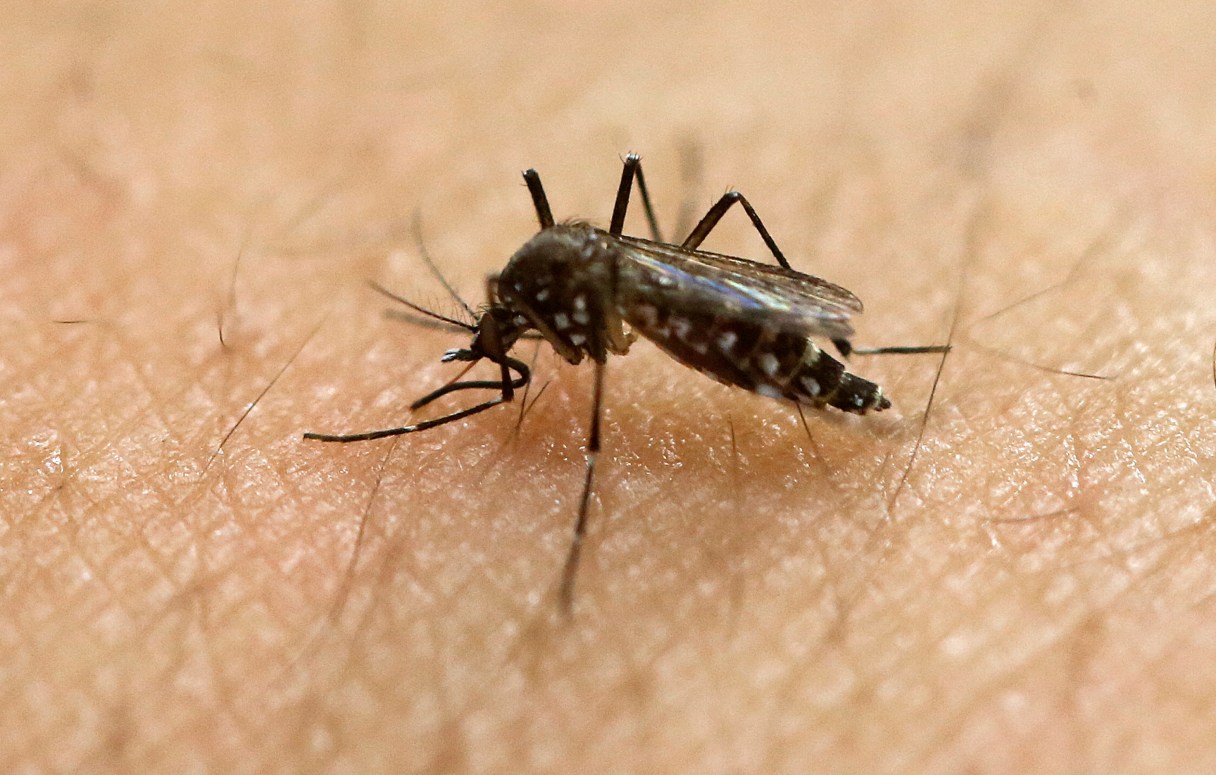
FILE - In this Jan. 18, 2016, file photo, a female Aedes aegypti mosquito acquires a blood meal on the arm of a researcher at the Biomedical Sciences Institute in the Sao Paulo's University in Sao Paulo, Brazil. The Aedes aegypti mosquito is behind the large outbreaks of Zika virus in Latin America and the Caribbean. On Friday, July 29, 2016, Florida said four Zika infections in the Miami area are likely the first caused by mosquito bites in the continental U.S. All previous U.S. cases have been linked to outbreak countries. (AP Photo/Andre Penner, File)

Chattanooga health officials say they need more blood donors because the Zika virus is forcing authorities in certain parts of the U.S. to halt blood donations in those areas.

Florida officials announced Friday they are halting blood donations in Miami-Dade and Broward counties because the Zika virus apparently has spread into the local mosquito population. Four people – one woman and three men – have been identified as carrying the virus, apparently the first cases transmitted by mosquitoes in the continental United States.

Before Friday, some 1,650 people in the U.S. had been diagnosed with the virus, but they apparently were infected when they traveled to countries where it is widespread, including much of the Caribbean and Central and South America.

Health officials have been predicting the virus would appear in the U.S. Zika is spread when a certain type of mosquito bites an infected person and then transfers the virus to another person with another bite. As the number of people in the U.S carrying the virus rose, the odds increased that one of them would be bitten by a mosquito and infect the local mosquito population.

The virus can also spread through sexual activity.