
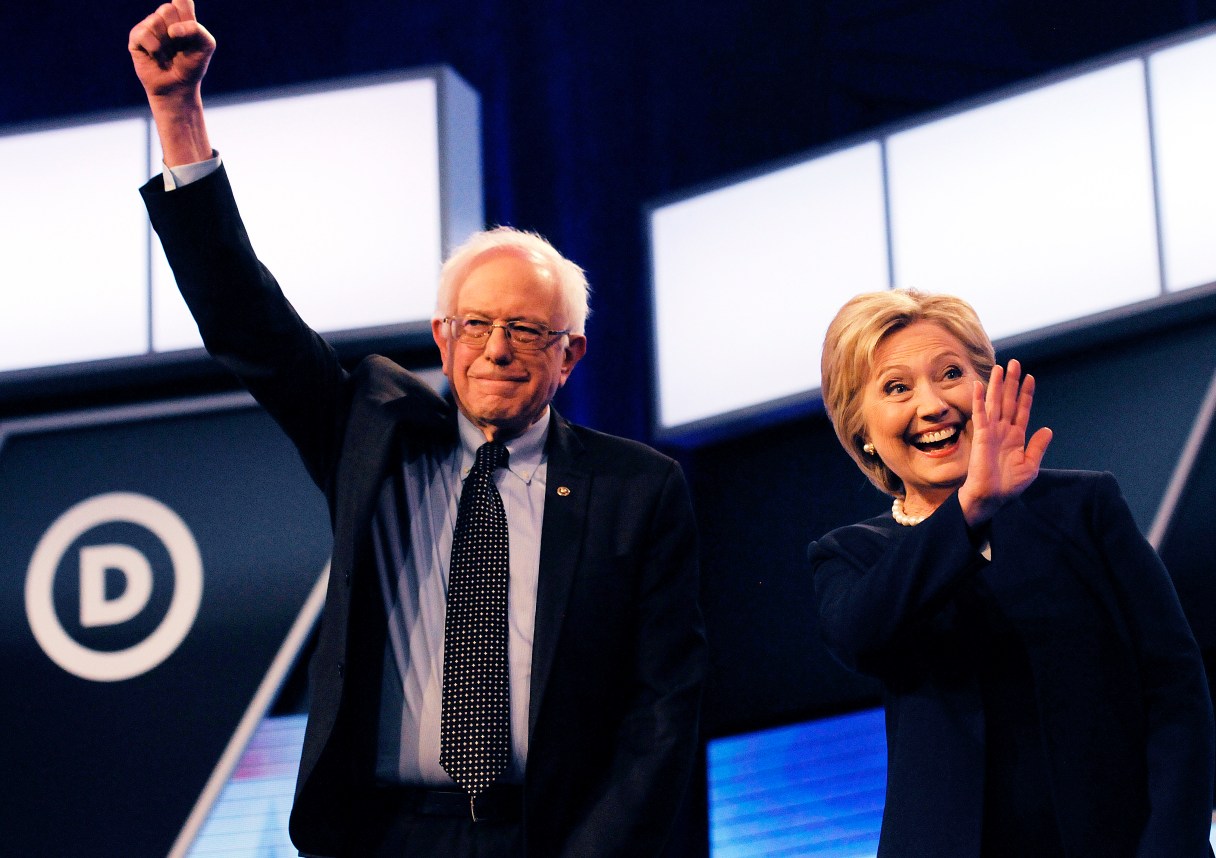
Why did Bernie Sanders win a narrow victory in Michigan, when polls showed Hillary Clinton with a huge lead? Nobody really knows, but there’s a lot of speculation that Sanders may have gained traction by hammering on the evils of trade agreements. Meanwhile, Donald Trump has also been bashing the supposedly unfair trading practices of China and other nations.
So, has the protectionist moment finally arrived? Maybe, maybe not: There are other possible explanations for Michigan, and free-traders have repeatedly cried wolf about protectionist waves that never materialized. Still, this time could be different. And if protectionism really is becoming an important political force, how should reasonable people – economists and others – respond?
To make sense of the debate over trade, there are three things you need to know.
The first is that we have gotten to where we are – a largely free-trade world – through a generations-long process of international diplomacy, going all the way back to FDR. This process combines a series of quid pro quos – I’ll open my markets if you open yours – with rules to prevent backsliding.
The second is that protectionists almost always exaggerate the adverse effects of trade liberalization. Globalization is only one of several factors behind rising income inequality, and trade agreements are, in turn, only one factor in globalization.
And yes, Sanders is demagoguing the issue, for example with a Twitter post linking the decline of Detroit, which began in the 1960s and has had very little to do with trade liberalization, to “Hillary Clinton’s free-trade policies.”
That said, not all free-trade advocates are paragons of intellectual honesty. In fact, the elite case for ever-freer trade, the one that the public hears, is largely a scam. What you hear, all too often, are claims that trade is an engine of job creation, that trade agreements will have big payoffs in terms of economic growth and that they are good for everyone.
Yet what the models of international trade used by real experts say is that, in general, agreements that lead to more trade neither create nor destroy jobs; that they usually make countries more efficient and richer, but that the numbers aren’t huge; and that they can easily produce losers as well as winners.
Why, then, did we ever pursue these agreements? A large part of the answer is foreign policy: Global trade agreements from the 1940s to the 1980s were used to bind democratic nations together during the Cold War, NAFTA was used to reward and encourage Mexican reformers, and so on.
And anyone ragging on about those past deals, like Trump or Sanders, should be asked what, exactly, he proposes doing now. Are they saying that we should rip up America’s international agreements? Have they thought about what that would do to our credibility and standing in the world?
The most a progressive can responsibly call for, I’d argue, is a standstill on further deals, or at least a presumption that proposed deals are guilty unless proved innocent.
The hard question to deal with here is the Trans-Pacific Partnership, which the Obama administration has negotiated but Congress hasn’t yet approved. People I respect in the administration say that it should be considered an existing deal that should stand; I’d argue that there’s a lot less U.S. credibility at stake than they claim.
The larger point in this election season is, however, that politicians should be honest and realistic about trade, rather than taking cheap shots. Striking poses is easy; figuring out what we can and should do is a lot harder. But you know, that’s a would-be president’s job.