
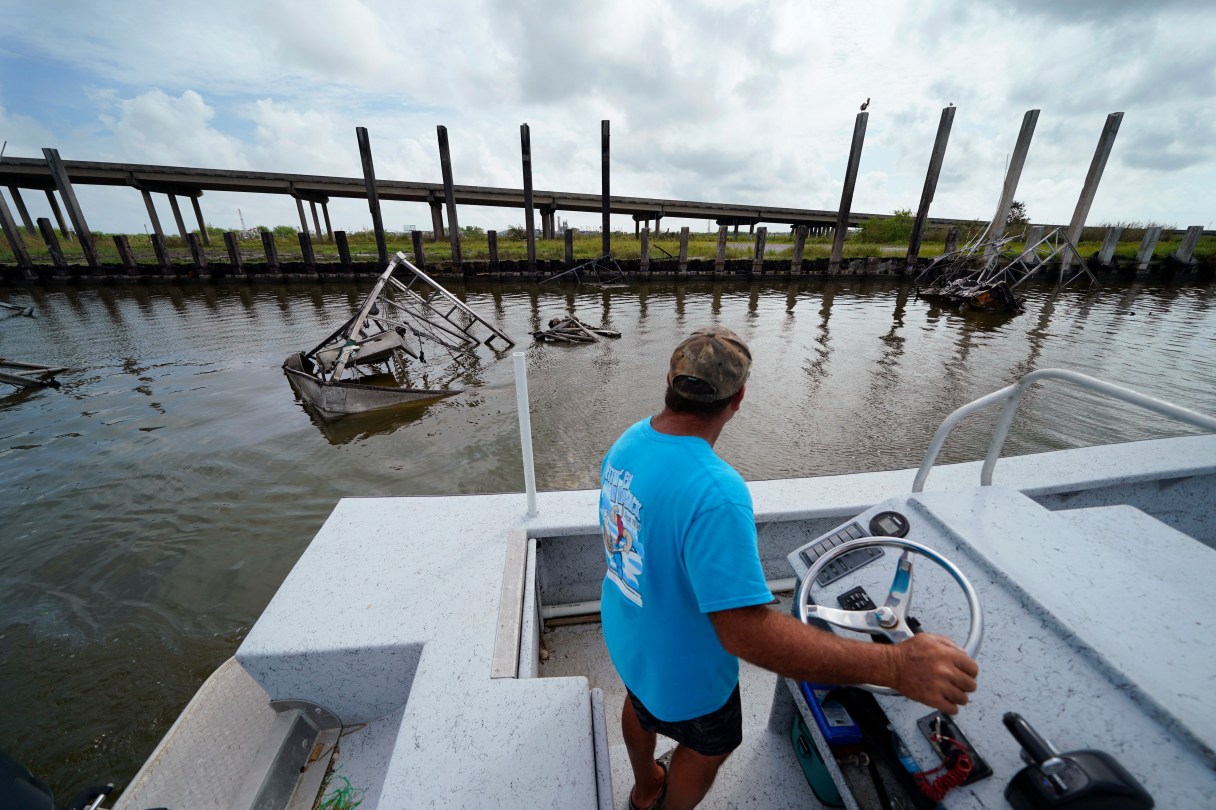
Louisiana’s oyster farmers, crabbers, shrimpers and anglers are nothing if not adaptable, producing millions of pounds of seafood annually, often in water that was dry land a generation ago. They’ve fought off a devastating oil spill, floods, changing markets and endless hurricanes just to stay in business.
After Hurricane Ida, though, some wonder about their ability to continue in a seemingly endless cycle of recovery and readjustment.
The Category 4 hurricane that struck Louisiana late last month fractured some parts of the industry even worse than 2005’s Katrina, which cost seafood businesses more than $1 billion. No one yet knows how many boats, docks and processors were lost because of Ida’s relentless, 150-mph winds. Vessels that made it to the safest harbors fared the best, yet even some of them were destroyed by the storm’s fury.
Lt. Gov. Billy Nungesser, whose office oversees seafood promotion, said some areas, like Lafitte, were all but wiped out. The damage is a devastating blow to people whose entire lives are intertwined with fishing and the Gulf Coast.
“This thing just seemed to beat and beat and beat, kind of mixing it up like a washing machine,” Nungesser said. “I think that slow-moving storm beating these boats against the docks, against each other, caused a lot more vessels to sink and have major damage.”