
Tuesday, November 10, 2026Nov 10

Colombia’s half-century conflict at a glance

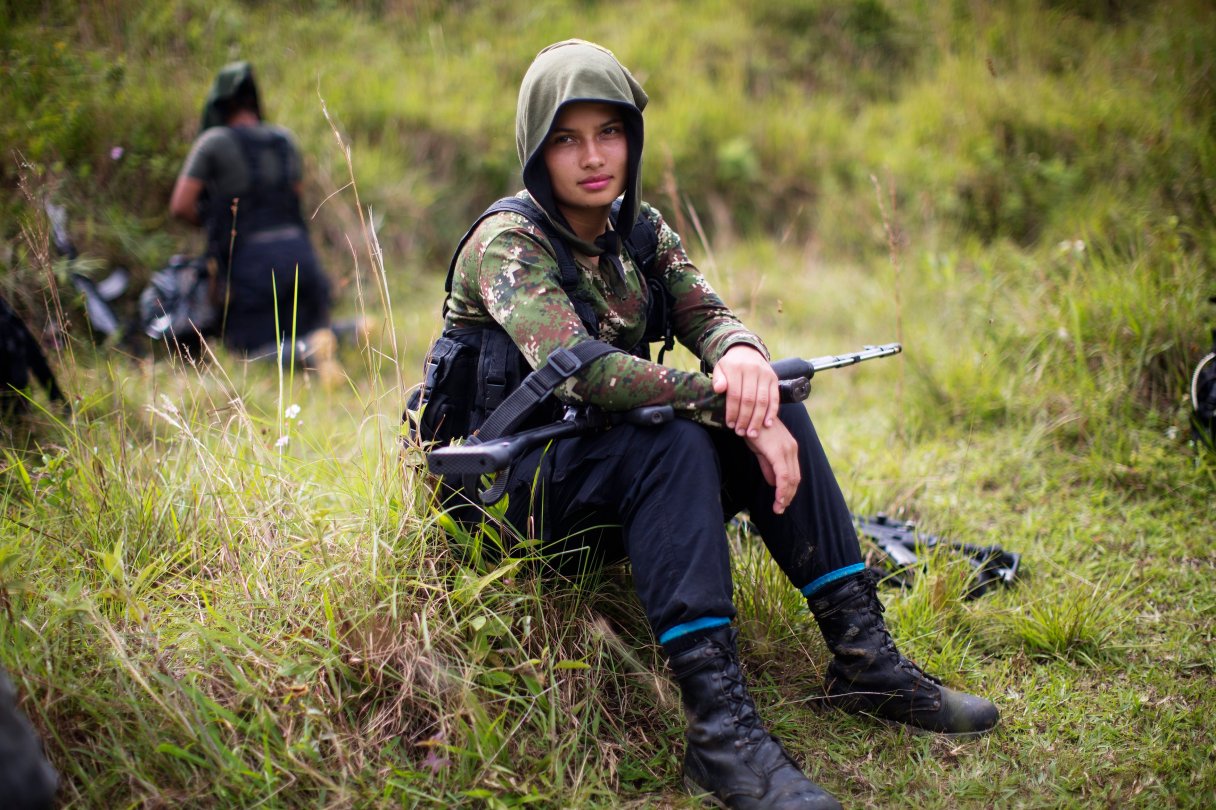
In this Jan. 6, 2016 photo, Juliana, a 20-year-old rebel fighter for the 36th Front of the Revolutionary Armed Forces of Colombia, or FARC, rests from a trek in the northwest Andes of Colombia, in Antioquia state. Like many of her comrades in arms, her path to the FARC was born as much from personal tragedy as political ideology. In her case, she fled an impoverished home at age 16 and followed in the footsteps of an uncle after being raped by her stepfather. (AP Photo/Rodrigo Abd)
In this Jan. 6, 2016 photo, Juliana, a 20-year-old rebel fighter for the 36th Front of the Revolutionary Armed Forces of Colombia, or FARC, rests from a trek in the northwest Andes of Colombia, in Antioquia state. Like many of her comrades in arms, her path to the FARC was born as much from personal tragedy as political ideology. In her case, she fled an impoverished home at age 16 and followed in the footsteps of an uncle after being raped by her stepfather. (AP Photo/Rodrigo Abd) In this Jan. 6, 2016 photo, Juliana, a 20-year-old rebel fighter for the 36th Front of the Revolutionary Armed Forces of Colombia, or FARC, rests from a trek in the northwest Andes of Colombia, in Antioquia state. Like many of her comrades in arms, her path to the FARC was born as much from personal tragedy as political ideology. In her case, she fled an impoverished home at age 16 and followed in the footsteps of an uncle after being raped by her stepfather. (AP Photo/Rodrigo Abd)

BOGOTA, Colombia (AP) – A glance at Colombia’s half-century guerrilla conflict:

HOW IT STARTED

The 1948 assassination of populist firebrand Jorge Eliecer Gaitan led to a political bloodletting known as “La Violencia,” or “The Violence.” Tens of thousands died, and peasant groups joined with communists to arm themselves. A 1964 military attack on their main encampment led to the creation of the Revolutionary Armed Forces of Colombia, or FARC.

REBEL AIMS

Though nominally Marxist at its founding, the FARC’s ideology has never been well defined. It has sought to make the conservative oligarchy share power and prioritized land reform in a country where more than 5 million people have been forcibly displaced, mostly by far-right militias in the service of ranchers, businessmen and drug traffickers. The FARC lost popularity as it turned to kidnapping, extortion and taxes on cocaine production and illegal gold mining to fund its insurgency.