
Wednesday, November 11, 2026Nov 11

Health officials probe tie between Zika, paralyzing syndrome

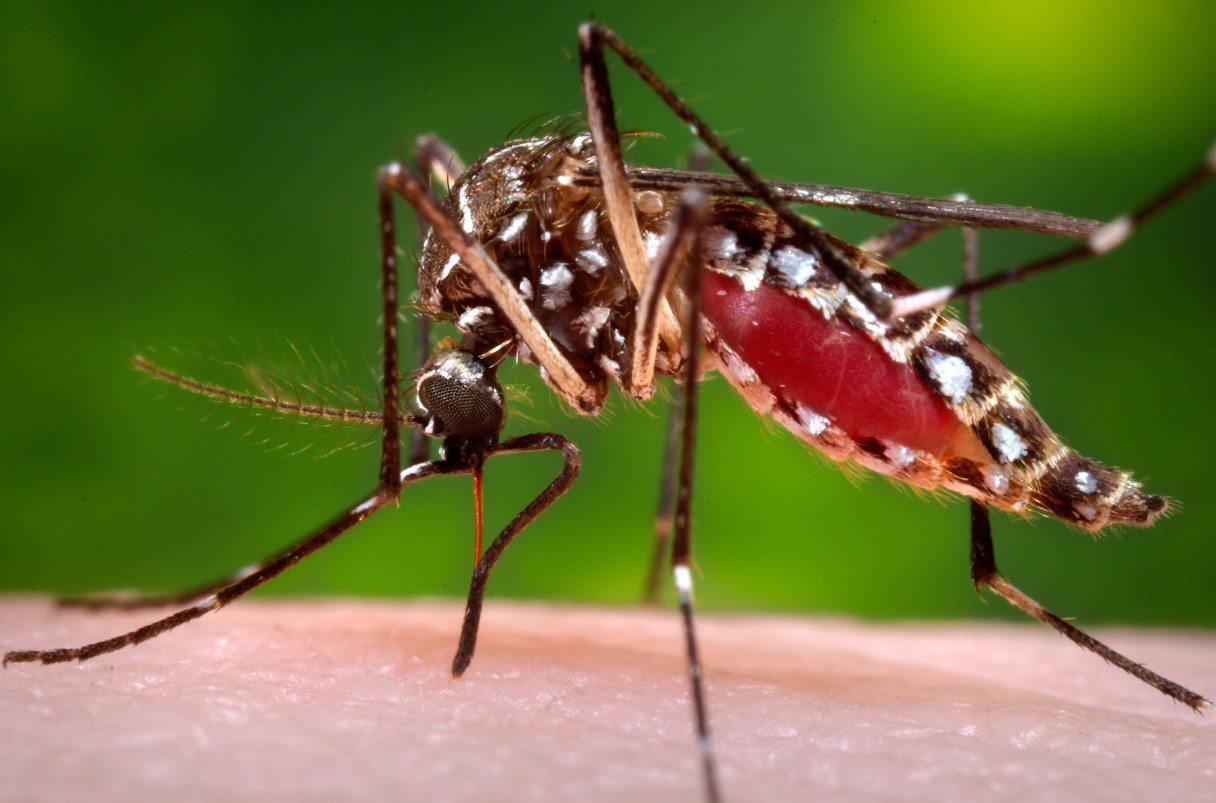
FILE - This 2006 file photo provided by the Centers for Disease Control and Prevention shows a female Aedes aegypti mosquito in the process of acquiring a blood meal from a human host. The The Centers for Disease Control and Prevention on Tuesday, Jan. 19, 2016, announced new guidance for doctors whose pregnant patients may have traveled to regions with a tropical illness linked to birth defects. Officials say doctors should ask pregnant women about their travel and certain symptoms, and, if warranted, test them for an infection with the Zika  virus. The virus is spread through mosquito bites.  (James Gathany/Centers for Disease Control and Prevention via AP, File)
FILE - This 2006 file photo provided by the Centers for Disease Control and Prevention shows a female Aedes aegypti mosquito in the process of acquiring a blood meal from a human host. The The Centers for Disease Control and Prevention on Tuesday, Jan. 19, 2016, announced new guidance for doctors whose pregnant patients may have traveled to regions with a tropical illness linked to birth defects. Officials say doctors should ask pregnant women about their travel and certain symptoms, and, if warranted, test them for an infection with the Zika virus. The virus is spread through mosquito bites. (James Gathany/Centers for Disease Control and Prevention via AP, File) FILE - This 2006 file photo provided by the Centers for Disease Control and Prevention shows a female Aedes aegypti mosquito in the process of acquiring a blood meal from a human host. The The Centers for Disease Control and Prevention on Tuesday, Jan. 19, 2016, announced new guidance for doctors whose pregnant patients may have traveled to regions with a tropical illness linked to birth defects. Officials say doctors should ask pregnant women about their travel and certain symptoms, and, if warranted, test them for an infection with the Zika virus. The virus is spread through mosquito bites. (James Gathany/Centers for Disease Control and Prevention via AP, File)

SAN SALVADOR, El Salvador (AP) – Health officials say they’re trying to determine if an unusual jump in cases of a rare nerve condition sometimes severe enough to cause paralysis is related to the spread of the mosquito-borne Zika virus in at least two Latin American countries.

Fears the illness might be causing thousands of birth defects already has led authorities in Brazil, Colombia and El Salvador to take the drastic step of warning women against becoming pregnant. The U.S. Centers for Disease Control and Prevention on Friday expanded its warning for pregnant women thinking of visiting 22 destinations, most in Latin America and the Caribbean.

But concern also has been rising about a potential link to Guillain-Barre syndrome, a nerve disorder than can affect anyone. It causes muscle weakness, tingling in the arms and legs and sometimes temporary paralysis. Most people recover fully, but severe cases that affect muscles used to breathe can be life-threatening.

It’s thought to occur when someone’s immune system overreacts and attacks its own nervous system cells, often after various types of infections.

Researchers have been suspicious of the virus since French Polynesia noted a jump in cases of Guillain-Barre and microcephaly, in which a child is born with a small head, that accompanied a wave of Zika cases, though the populations were far smaller than in the recent outbreaks