
Tuesday, November 10, 2026Nov 10

75 years later, can Asia shake off shackles of the past?

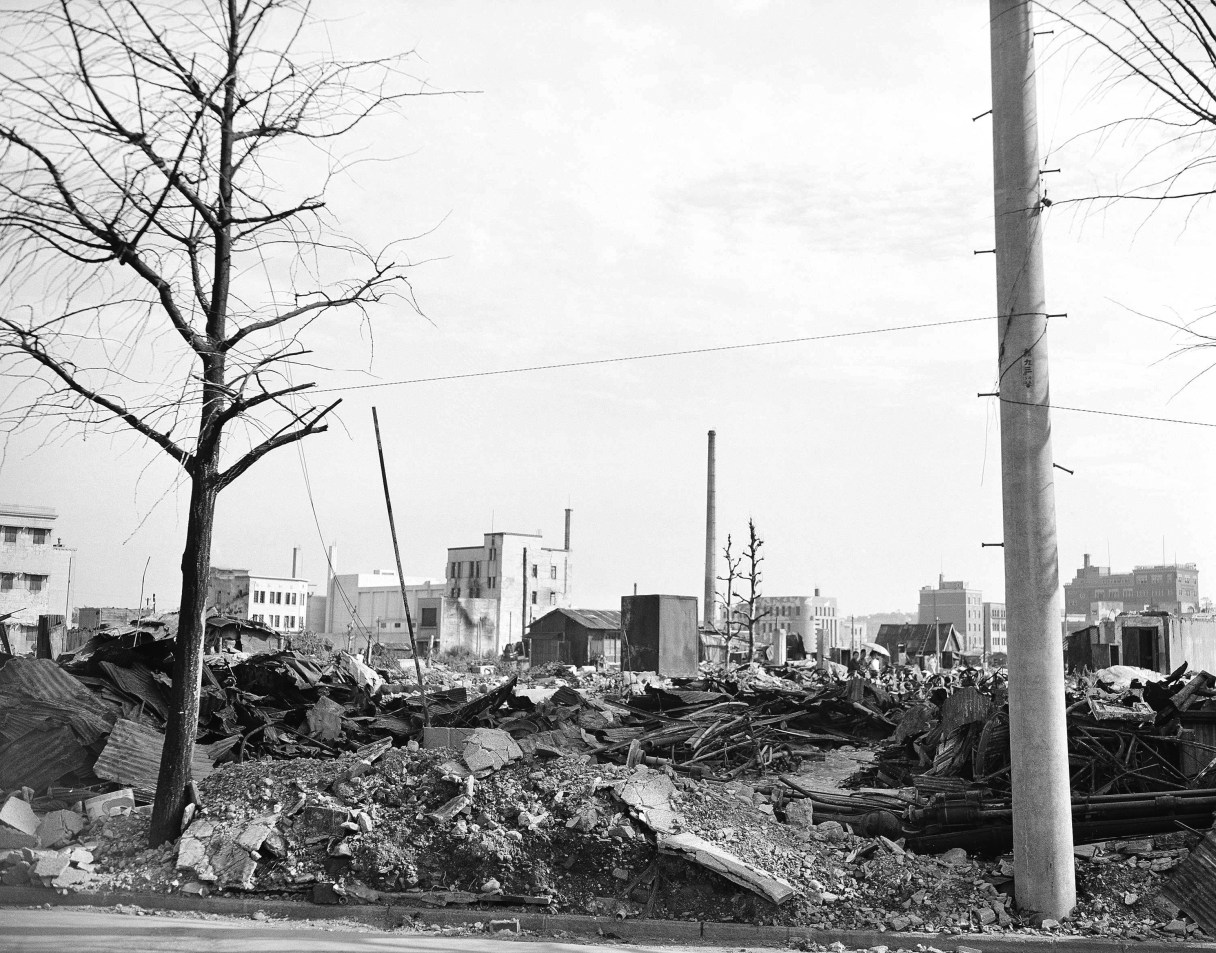
FILE - This Sept. 1, 1945, file photo shows destroyed business buildings in the city of Yokohama, near Tokyo. U.S. B-29's bombing raids left ruins debris and destruction near the American Consulate. The bombs stopped falling 75 years ago, but it is entirely possible - crucial even, some argue - to view the region's world-beating economies, its massive cultural and political reach and its bitter trade, territory and history disputes all through a single prism: Japan's aggression in the Pacific during World War II. (AP Photo/Frank Filan, Pool, File)
FILE - This Sept. 1, 1945, file photo shows destroyed business buildings in the city of Yokohama, near Tokyo. U.S. B-29's bombing raids left ruins debris and destruction near the American Consulate. The bombs stopped falling 75 years ago, but it is entirely possible - crucial even, some argue - to view the region's world-beating economies, its massive cultural and political reach and its bitter trade, territory and history disputes all through a single prism: Japan's aggression in the Pacific during World War II. (AP Photo/Frank Filan, Pool, File) FILE - This Sept. 1, 1945, file photo shows destroyed business buildings in the city of Yokohama, near Tokyo. U.S. B-29's bombing raids left ruins debris and destruction near the American Consulate. The bombs stopped falling 75 years ago, but it is entirely possible - crucial even, some argue - to view the region's world-beating economies, its massive cultural and political reach and its bitter trade, territory and history disputes all through a single prism: Japan's aggression in the Pacific during World War II. (AP Photo/Frank Filan, Pool, File)

TOKYO (AP) – Northeast Asia doesn’t so much repeat history as drag it along like an anchor.

The bombs stopped falling 75 years ago, but it is entirely possible – crucial even, some argue – to view the region’s world-beating economies, its massive cultural and political reach and its bitter trade, territory and history disputes through a single prism: World War II and Japan’s aggression in the Pacific.

Even as Northeast Asia’s tangle of interlinking economic and political webs grows denser by the day, the potential for an unraveling may loom as large now as at any time since 1945.

Japan in 2020 is unrecognizable to the fascist military machine that once rolled across Asia. Its military is now legally constrained as a “self-defense force.” Its constitution demands peaceful cooperation with the world. Postwar Japan has pumped trillions of yen (tens of billions of dollars) into regional development.

So how does this peaceful, generous, stable nation still enrage so many? Why do the crimes of long-dead Japanese politicians and soldiers still loom so large in its neighbors’ eyes?