
Sunday, November 15, 2026Nov 15

Spate of oil train derailments raises safety concerns

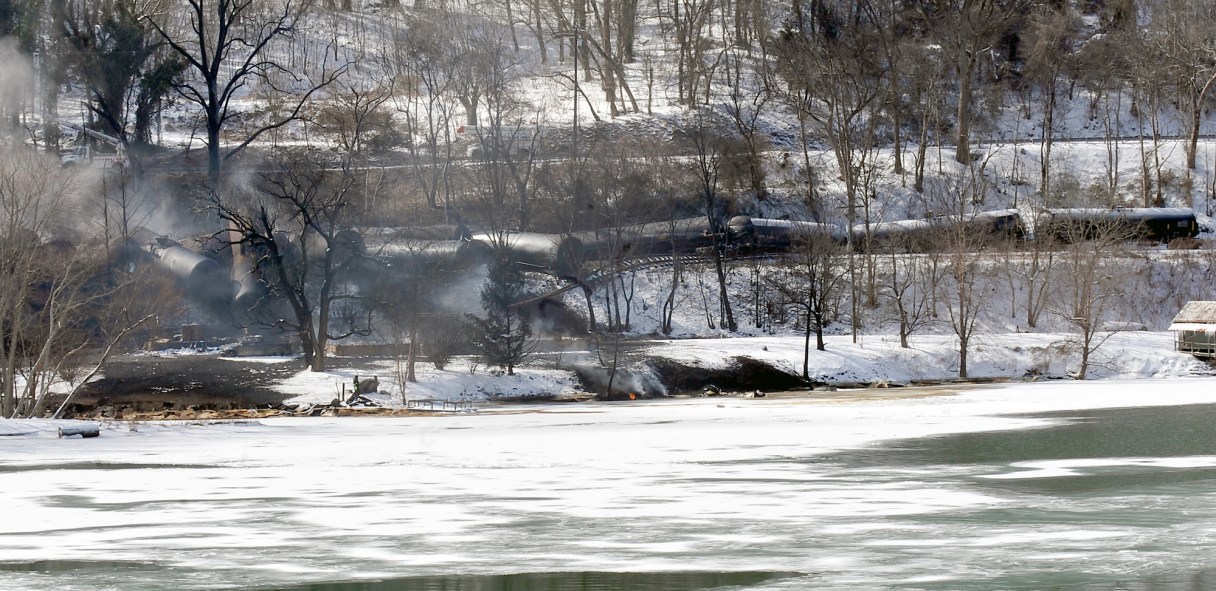
FILE - In this Feb. 17, 2015 file photo, a train derailment that sent a tanker with crude oil into the Kanawha River near Mount Carbon, W.Va. Four trains hauling crude oil have derailed in the U.S. and Canada since mid-February, rupturing tank cars, spilling their contents, polluting waterways and igniting spectacular fires that burned for days. The derailments have deepened safety concerns that if an oil train accident were to occur in a populated area, the results could be disastrous. (AP Photo/Chris Tilley, File)

WASHINGTON (AP) – Four trains hauling crude oil have derailed in the U.S. and Canada since mid-February, rupturing tank cars, spilling their contents, polluting waterways and igniting spectacular fires that burned for days.

The derailments have deepened safety concerns that if an oil-train accident were to occur in a populated area, the results could be disastrous.

“Recent incidents have proven once again that derailments of trains carrying this product are dangerous, and can be catastrophic,” said Sarah Feinberg, acting administrator of the Federal Railroad Administration.

The Associated Press asked rail and hazardous materials safety experts about what is causing these accidents and what can be done to stop them.

___